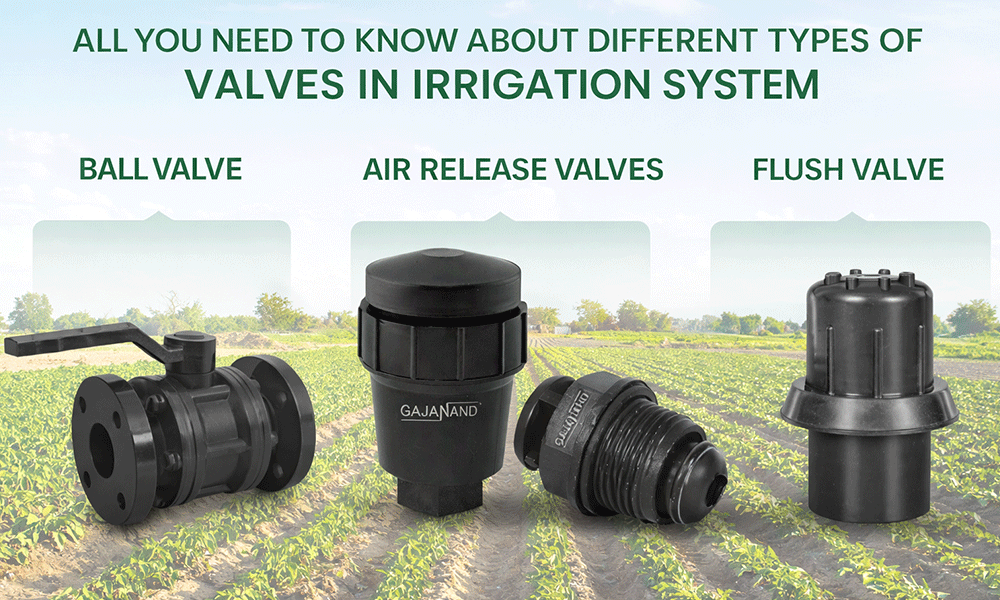
PVC Foot Valve and Other Important Valve Types in Irrigation Systems
Introduction to Valves in Irrigation Systems
Valves play a vital role in irrigation systems by controlling, directing, and regulating the flow of water. Without the right type of valve, irrigation systems can suffer from water loss, pressure imbalance, pump damage, and inefficient operation. Among the many valve types used in agriculture and irrigation, PVC foot valves and control valves are especially important for ensuring smooth and reliable water flow.
Understanding the function and application of different valve types helps farmers, landscapers, and irrigation professionals design efficient systems that save water, energy, and maintenance costs. This article explains PVC foot valves and other essential valve types commonly used in drip and irrigation systems.
What Is a Foot Valve?
A foot valve is a special type of check valve that allows water to flow in only one direction. Its main function is to prevent water from flowing backward when a pump is turned off. Foot valves are commonly used in situations where a pump draws water from underground wells, lakes, ponds, or storage tanks.
These valves are installed at the bottom of the suction pipe and are constantly submerged in water. Because they are not easily accessible for frequent inspection or repair, choosing a durable and high-quality foot valve is extremely important. Foot valves are manufactured using materials such as stainless steel, cast iron, bronze, plastic, and PVC, depending on the application and water conditions.
Why PVC Foot Valves Are Widely Used
PVC foot valves have gained popularity due to their corrosion resistance, lightweight design, and cost-effectiveness. PVC is an ideal material for applications involving clean water, irrigation systems, pools, and lakes. Unlike metal valves, PVC foot valves do not rust or corrode, making them suitable for long-term use in wet environments.
Because foot valves remain submerged for extended periods, selecting a PVC foot valve with strong construction and wear resistance ensures reliable performance and reduced maintenance requirements.
Defining PVC Foot Valves in a Nutshell
A PVC foot valve is a type of check valve typically installed at the pump inlet or at the lower end of a suction pipe. It works similarly to a ball check valve but includes a screened or guarded open end. This screen prevents debris, sand, leaves, and other particles from entering the pipeline and damaging the pump.
The valve opening is usually designed larger than the pipe diameter, which helps reduce head loss and improves water flow efficiency. PVC foot valves are commonly found in wells, lakes, pools, and even industrial applications where PVC material is suitable.
How PVC Foot Valves Work
PVC foot valves allow water to flow upward into the pipe when the pump is running, while preventing water from flowing back when the pump stops. This ensures that the pump remains primed and ready for the next operation cycle.
Over time, debris can accumulate on the protective screen, especially in natural water sources such as lakes and wells. Regular inspection and cleaning of the valve are essential to maintain optimal performance and prevent flow restrictions.
Construction and Design of PVC Foot Valves
PVC foot valves share a similar design with other foot valves and typically consist of several components, including a protective screen, seal, seal carrier, ball, pipe connection, and the main valve body. One major advantage of PVC foot valves is that many models can be fully dismantled, making cleaning and maintenance much easier.
This modular design ensures longer service life and reliable operation, especially in irrigation and pumping systems where consistent water flow is essential.
Advantages of PVC Foot Valves
PVC foot valves offer several important benefits that make them a preferred choice in irrigation and water supply systems. These valves prevent pump damage caused by dry running and reduce energy wastage by maintaining prime.
Without a foot valve, water would drain back to the source when the pump stops, requiring frequent re-priming. PVC foot valves eliminate this issue and improve system efficiency. They are also lightweight, easy to install, and more affordable compared to other priming valve options.
High-quality PVC foot valves help extend the overall lifespan of water pumps and reduce maintenance costs. Their cost-effectiveness and ease of handling make them ideal for agricultural applications.
Importance of Valves in Drip Irrigation Systems
Drip irrigation systems rely heavily on valves for accurate water control. Most drip irrigation setups require at least two types of valves: a control valve and an emergency shut-off valve. These valves help regulate water flow, manage pressure, and isolate sections of the system when maintenance is required.
Using the right combination of valves ensures efficient water distribution and protects the system from damage due to pressure fluctuations or leaks.
Emergency Shut-Off Valve
An emergency shut-off valve is one of the most critical safety components in an irrigation system. It should be installed as close as possible to the water source or at the point where the irrigation system branches from the main water line.
In the event of a system failure or pipe damage, this valve allows the user to shut off water quickly without cutting off the supply to the entire property. Without an emergency shut-off valve, any repair work would require shutting down the main household water supply.
Choosing the Right Emergency Shut-Off Valve
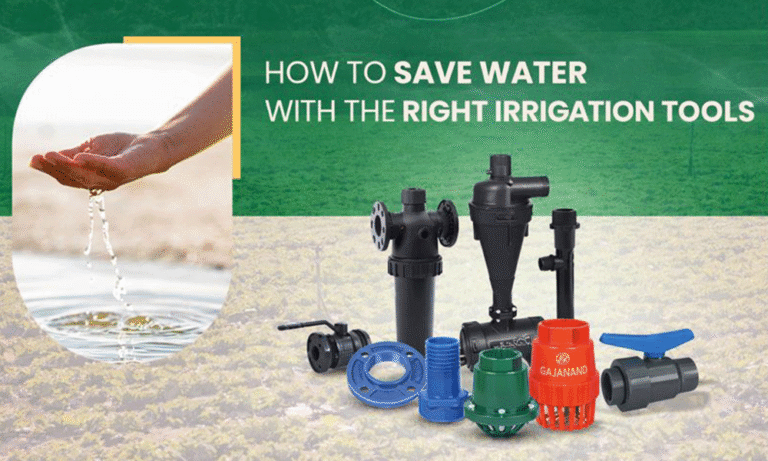
Gate valves are commonly used as emergency shut-off valves because they are inexpensive. However, low-cost gate valves often fail over time and may begin to leak. While gate valves are not inherently bad, more reliable alternatives include butterfly valves, disk valves, and ball valves.
Among these options, ball valves are the most affordable and dependable. They last significantly longer than gate valves and provide a tight seal, making them a better long-term investment.
Zone Control Valves in Irrigation Systems
Zone control valves are used to control water flow to specific sections or zones within an irrigation system. These valves turn water on or off for drip lines or sprinkler zones and are often automated using irrigation timers or controllers.
Small drip irrigation systems may require only one zone control valve, while larger systems can have multiple valves for different areas such as gardens, lawns, backyards, and front yards. Zone control valves help optimize water usage by supplying water only where and when it is needed.
Standard Globe Valves
Standard globe valves are widely used in large and commercial drip irrigation systems. They are available in a wide range of sizes and are typically installed underground in valve boxes or vaults.
Since globe valves do not include a built-in backflow preventer, a separate backflow prevention device is required. Their durability and reliability make them suitable for high-capacity irrigation systems.
Anti-Siphon Valves
Anti-siphon valves are commonly used in residential irrigation systems and are available in sizes such as 20 mm (3/4 inch) and 25 mm (1 inch). These valves include an integrated backflow preventer, which helps prevent contaminated water from flowing back into the main water supply.
This built-in feature saves money by eliminating the need for a separate backflow prevention device. However, anti-siphon valves must be installed above ground and at least 150 mm (6 inches) higher than the highest drip emitter in the system.
Installation Considerations for Anti-Siphon Valves
Proper installation of anti-siphon valves can be challenging in certain landscapes. On sloped properties, the most practical solution is to run the mainline up the slope and install the valve at the highest point. From there, pipes can run downward to supply water to emitters.
Correct placement ensures effective backflow prevention and reliable system performance.
Plastic vs Brass Valves: Which Is Better?
Irrigation valves are commonly available with plastic or brass bodies. Plastic valves are widely used due to their affordability, corrosion resistance, and compatibility with automated systems. Brass valves, on the other hand, are preferred in high-pressure applications and environments with prolonged sun exposure.
From a functional standpoint, both materials are reliable when used correctly. Brass valves generally last longer in manual applications, while plastic valves perform well in automated systems when protected from direct sunlight.
Conclusion
PVC foot valves and other irrigation valve types are essential components for building efficient, reliable, and long-lasting irrigation systems. Each valve serves a specific purpose, from preventing backflow and protecting pumps to controlling zones and ensuring system safety.
Selecting the right valve material, design, and installation method can significantly improve irrigation efficiency, reduce maintenance costs, and extend system lifespan. By understanding these valve types and their applications, farmers and irrigation professionals can make informed decisions that support sustainable and effective water management.