Dripper Irrigation System: The Ultimate Guide to Efficient Water Management in Agriculture
We present a comprehensive and authoritative guide on the dripper irrigation system, designed to deliver precision water management for modern agriculture. This advanced irrigation technology ensures optimal crop hydration while conserving valuable water resources.
Introduction to the Dripper Irrigation System
We recognize the increasing need for sustainable farming practices. The dripper irrigation system, also known as drip irrigation, delivers water directly to the root zone of plants in controlled quantities. This approach minimizes wastage, reduces evaporation, and significantly improves crop productivity.
What Is a Dripper Irrigation System
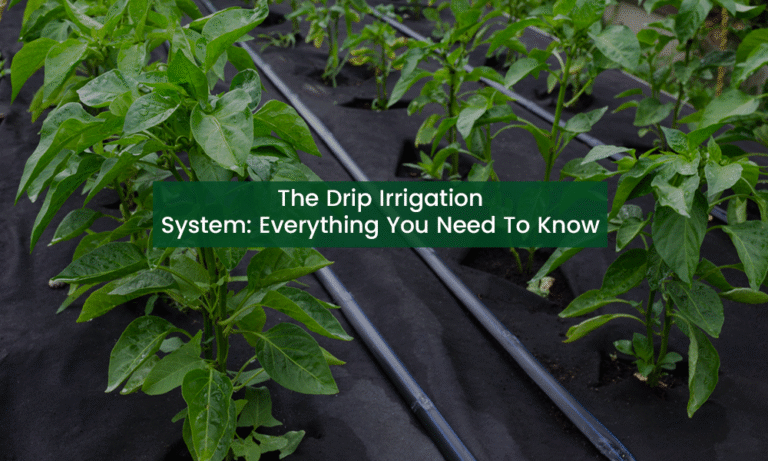
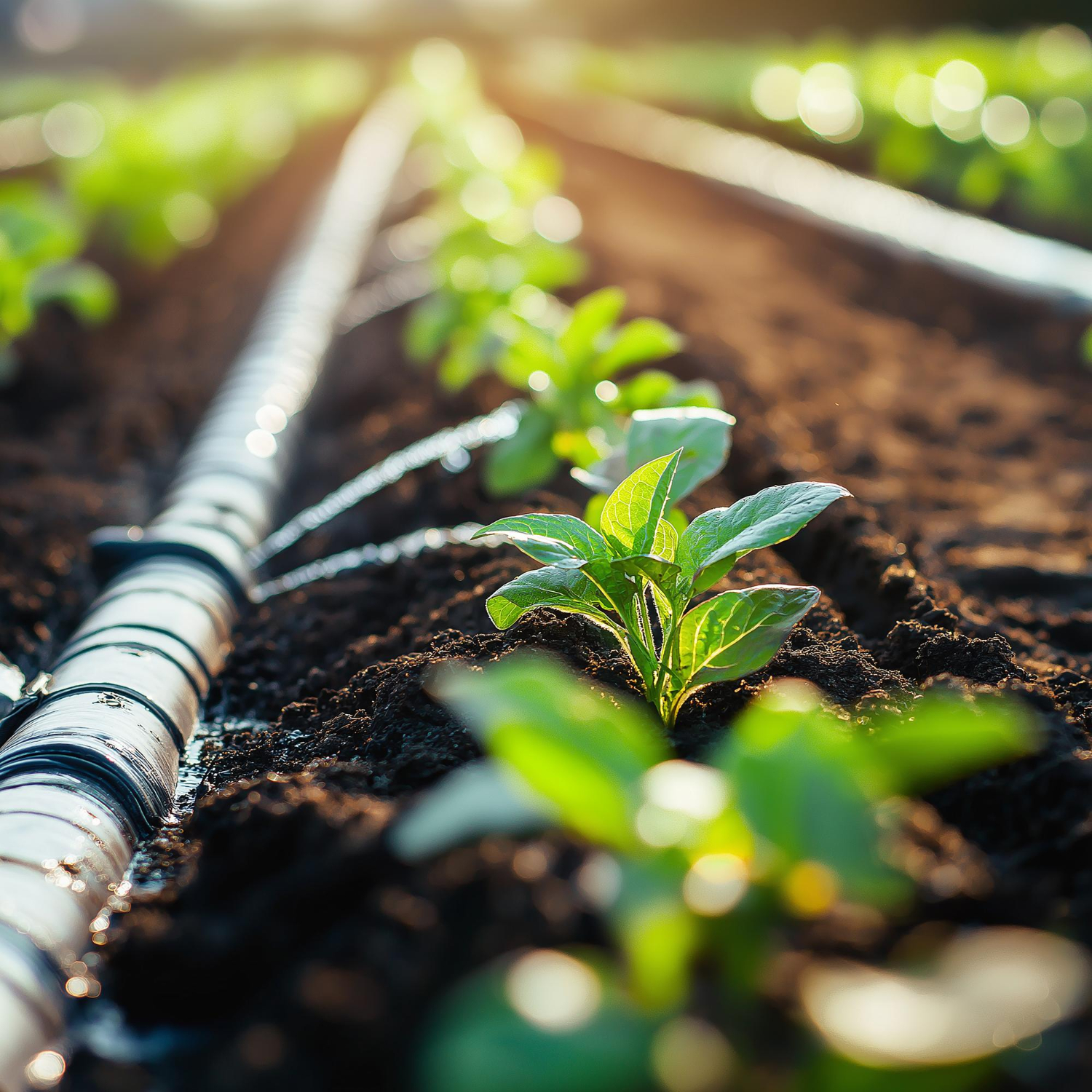
A dripper irrigation system is a micro-irrigation method that supplies water slowly and uniformly through a network of pipes, valves, filters, and emitters. Each dripper releases water at a controlled flow rate, ensuring consistent soil moisture and deep root development.
Core Components of a Dripper Irrigation System
Water Source and Pump Unit
We utilize reliable water sources such as borewells, tanks, canals, and reservoirs. Pumps regulate pressure to maintain uniform water distribution across the entire field.
Filtration System
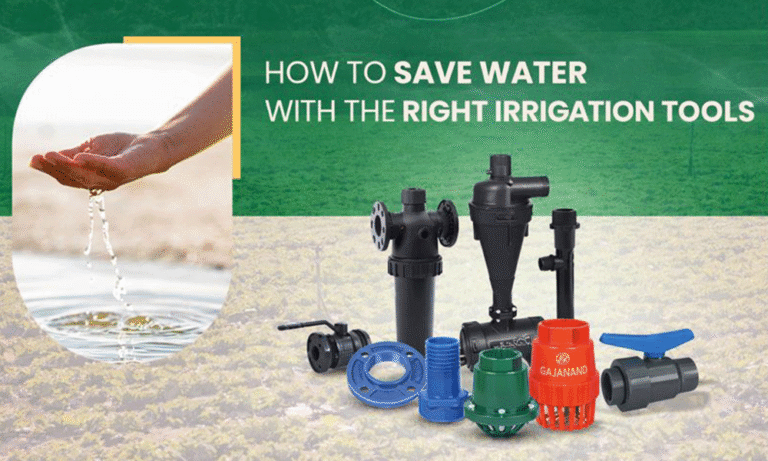
We install screen filters, disc filters, and sand media filters to remove sediments and impurities, protecting drippers from clogging and ensuring long-term efficiency.
Mainline, Sub-Main, and Laterals
High-quality HDPE or PVC pipes transport water efficiently. Laterals distribute water directly to plants, ensuring precise irrigation.
Drippers and Emitters
Inline and online drippers deliver water at flow rates ranging from 1 to 8 liters per hour, depending on crop requirements and soil conditions.
Types of Dripper Irrigation Systems
- Inline Drip Irrigation – Ideal for vegetables and row crops
- Online Drip Irrigation – Suitable for orchards and fruit trees
- Surface Drip Irrigation – Easy maintenance and monitoring
- Subsurface Drip Irrigation – Reduced evaporation and weed growth
Advantages of the Dripper Irrigation System
- Water savings of up to 70%
- Improved crop yield and quality
- Reduced weed growth
- Lower labor and energy costs
- Efficient fertilizer application through fertigation
Crops Suitable for Dripper Irrigation
We successfully apply dripper irrigation to vegetables, fruits, cash crops, plantations, and floriculture. This system adapts easily to different soil types and climatic conditions.
Installation and Maintenance
Proper installation includes field layout, pipeline setup, filter installation, and pressure testing. Routine maintenance such as filter cleaning and system flushing ensures long operational life.
Cost and Return on Investment
Although initial costs are higher, the dripper irrigation system delivers excellent returns through reduced water usage, lower fertilizer consumption, and increased crop yield.
Environmental Benefits
Dripper irrigation supports sustainable agriculture by conserving water, reducing soil erosion, and lowering the carbon footprint of farming operations.
Conclusion
We strongly recommend the dripper irrigation system as a future-ready irrigation solution. Its efficiency, sustainability, and economic benefits make it an essential tool for modern agriculture.