Introduction: Importance of Agriculture and Irrigation in India
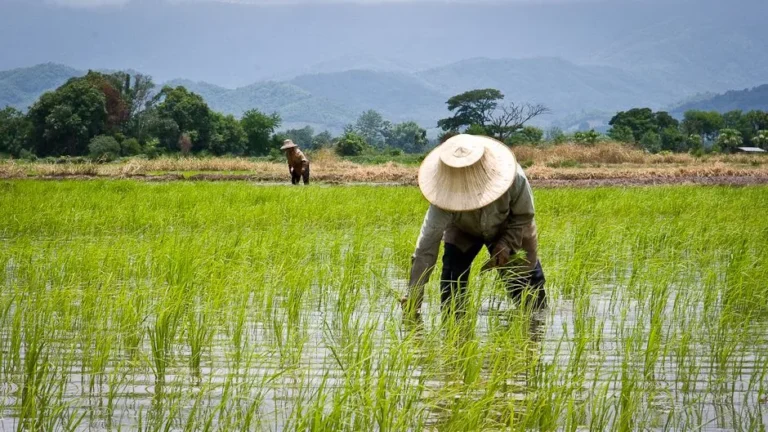
India is an agricultural country, and farming has always been the backbone of its economy. Nearly 58 percent of India’s population depends directly or indirectly on agriculture as their primary source of income. For centuries, Indian farmers relied on traditional farming and irrigation methods that were time-consuming, labor-intensive, and heavily dependent on rainfall. While these methods supported basic crop production, they often resulted in low yields and inefficient use of resources.
With the rapid growth of population, increasing food demand, and rising water scarcity, the agriculture industry has been forced to evolve. Today, agriculture is guided by strategic goals focused on productivity, sustainability, and efficient resource utilization. Among all farming practices, irrigation has seen the most significant modernization. Modern irrigation systems and gadgets now help farmers save water, reduce labor, and improve crop yield, making irrigation a key pillar of modern agriculture.
What Is Irrigation?
Irrigation is the artificial application of water to soil for the purpose of growing crops, maintaining landscapes, or supporting agricultural production. It plays a vital role in ensuring that crops receive sufficient moisture, especially in areas where rainfall is irregular, insufficient, or unpredictable.
Apart from crop cultivation, irrigation is also used for soil cooling, frost protection, weed control, and nutrient application. Efficient irrigation systems help save both water and time by delivering water exactly where and when it is needed. Over the years, irrigation systems have undergone numerous modifications, incorporating advanced technologies to improve water-use efficiency and crop performance.
Precision Irrigation: A Sustainable Farming Approach
Precision irrigation is an advanced and sustainable agricultural strategy designed to optimize water and nutrient use. This method delivers water and nutrients to plants in small, measured quantities at the right time and at the right place. The goal is to create ideal growing conditions while minimizing waste.
By using precision irrigation, farmers can monitor soil moisture levels, crop requirements, and climatic conditions to apply water more accurately. This approach not only conserves water but also improves crop health, reduces fertilizer loss, and enhances overall farm productivity. Precision irrigation is becoming increasingly popular as farmers move toward data-driven and technology-enabled farming practices.
Common Irrigation Techniques Used in Agriculture
There are several irrigation techniques used worldwide, but four methods are most commonly adopted due to their practicality and effectiveness. Each technique has its own advantages and is suitable for specific crops, soil types, and climatic conditions.
Surface Irrigation
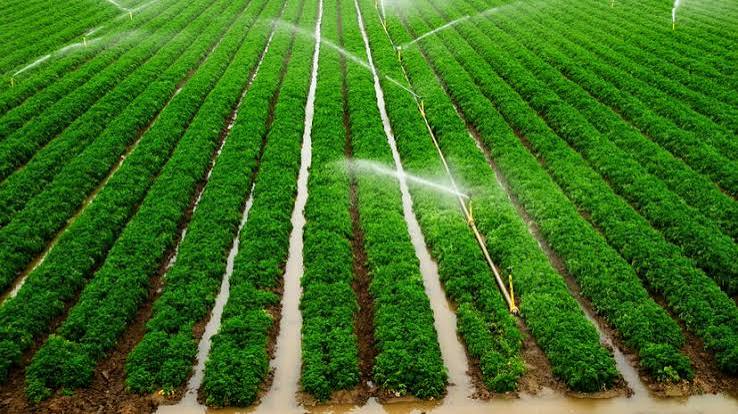
Surface irrigation is the oldest and most traditional form of irrigation, practiced for thousands of years. In this method, water flows naturally over the surface of agricultural land and infiltrates the soil to moisten the crop root zone. Common types of surface irrigation include flood irrigation, furrow irrigation, and basin irrigation.
While surface irrigation is simple and low-cost, it often results in uneven water distribution and significant water loss due to evaporation and runoff. Despite these limitations, it is still widely used in regions with abundant water availability and flat terrain.
Sprinkler Irrigation
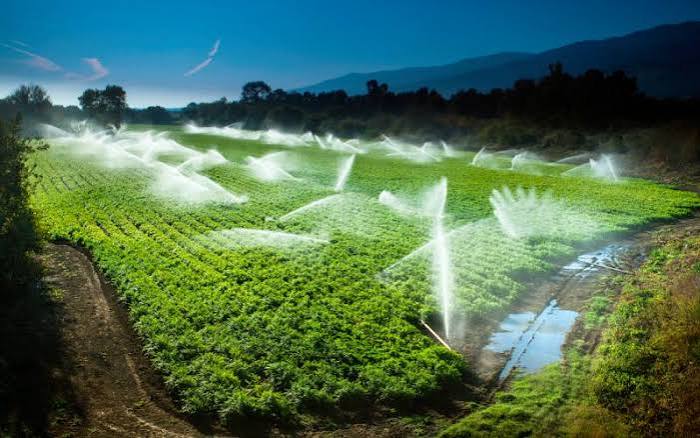
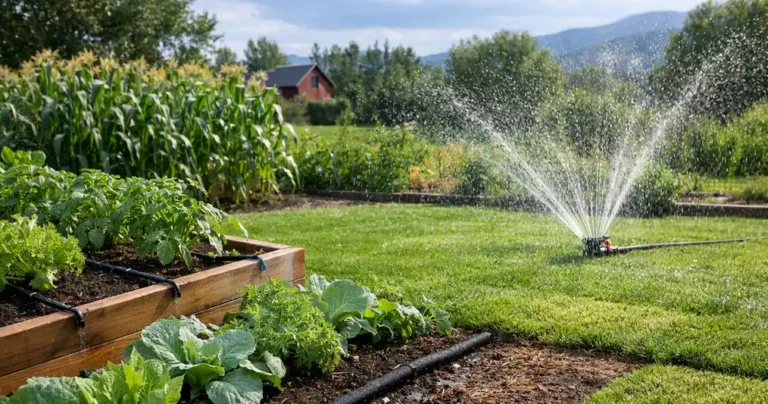
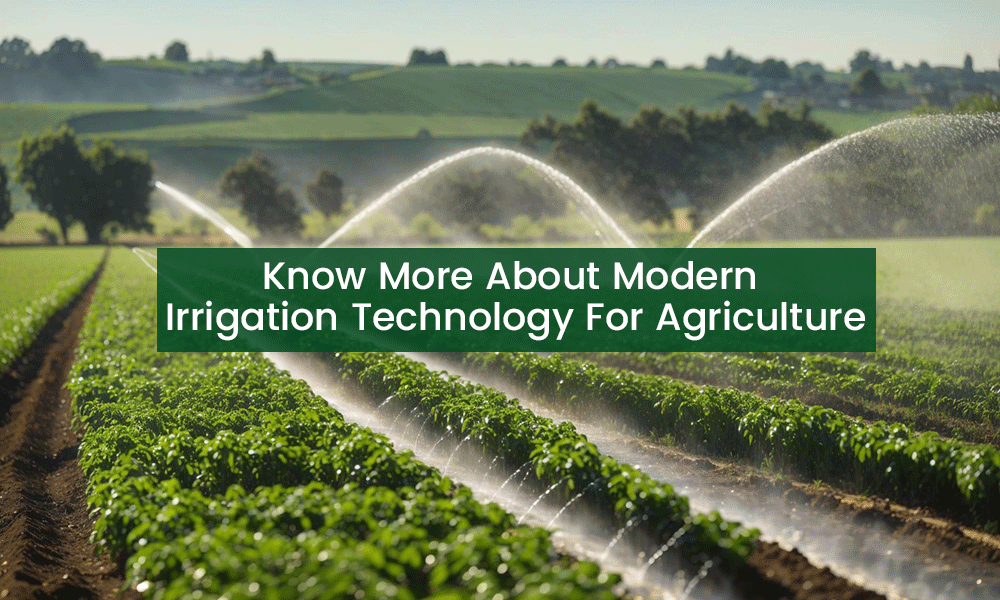
Sprinkler irrigation involves supplying water from a central location through pipes to overhead sprinklers or spray guns. These sprinklers distribute water in the form of fine droplets, similar to natural rainfall. Sprinkler systems can be fixed or mounted on movable platforms, with hoses connecting them to the water source.
This method is suitable for a wide range of crops and soil types. Sprinkler irrigation provides uniform water distribution and reduces labor requirements. However, water loss due to wind drift and evaporation can occur, especially in hot and windy conditions.
Drip or Trickle Irrigation
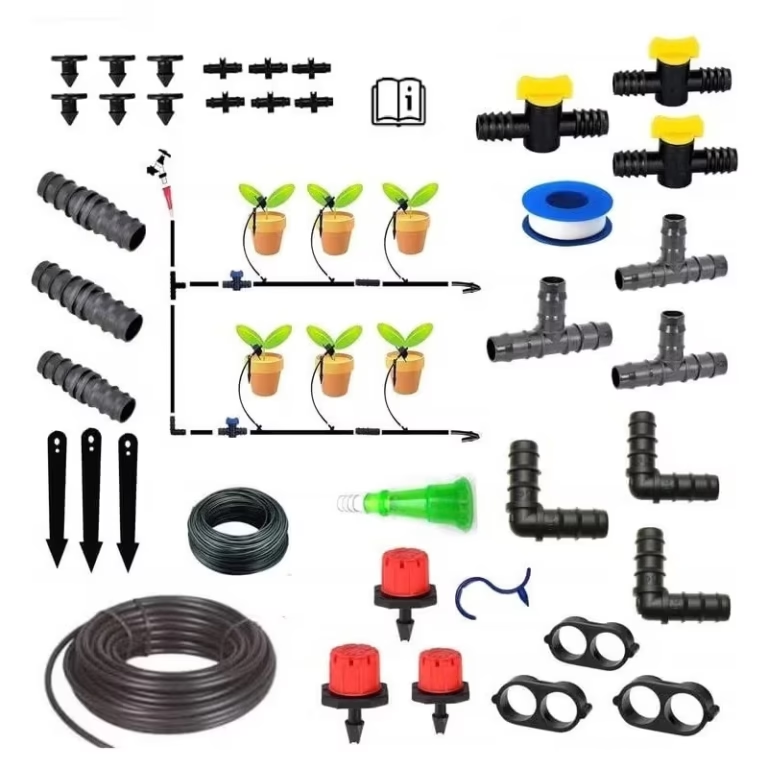
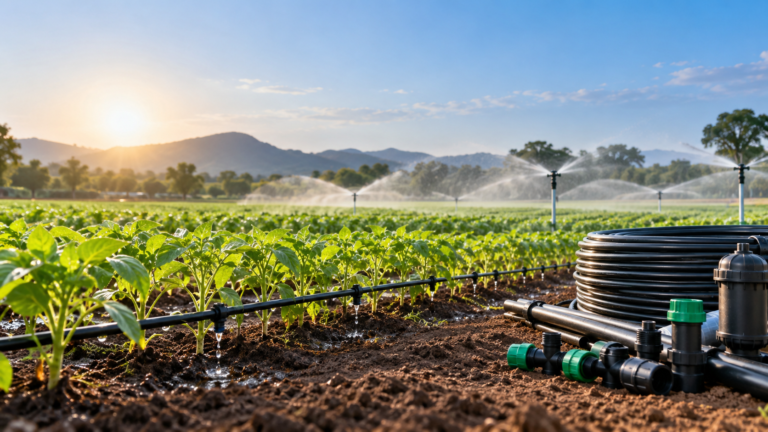
Drip irrigation, also known as trickle irrigation, is one of the most water-efficient irrigation techniques available today. In this system, water is delivered directly to the plant roots through a network of pipes and emitters. Water is released slowly, one drop at a time, ensuring precise moisture application.
Because water is applied only to the root zone, evaporation and runoff losses are minimal. Drip irrigation is ideal for water-scarce regions and high-value crops. It also reduces weed growth, improves fertilizer efficiency, and enhances crop yield, making it a preferred choice for modern agriculture.
Subsurface Irrigation
Subsurface irrigation is designed to supply water below the soil surface directly to the plant root zone. This method is suitable for a wide range of soil textures, from sandy soils to heavy clay soils. A typical subsurface irrigation system includes an impermeable base layer that creates an artificial water table.
By keeping the soil surface dry, subsurface irrigation minimizes evaporation and weed growth. It is highly efficient but requires careful design, installation, and maintenance to ensure proper functioning.
Modern Irrigation Gadgets and Technologies
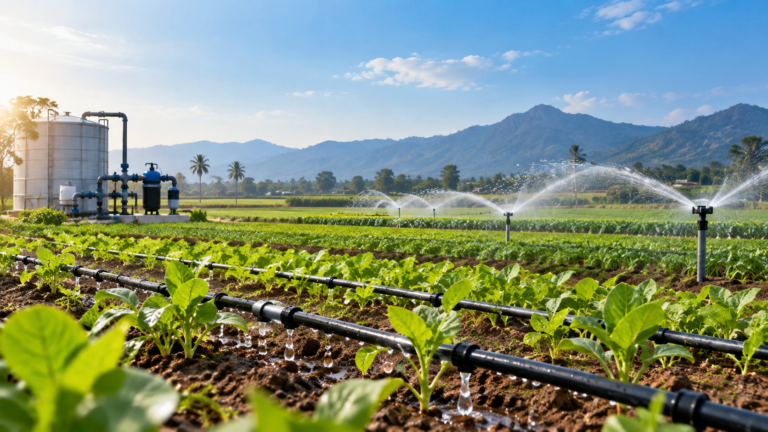
Modern irrigation technologies are designed to distribute water uniformly across the entire field, ensuring that each plant receives the right amount of water. These systems often incorporate smart gadgets that improve efficiency, reduce water waste, and enhance crop health.
Advanced irrigation gadgets also help purify water before it reaches the plants. This ensures that crops receive clean water instead of wastewater, which can negatively affect plant growth and soil quality.
Filters: Essential for Clean and Efficient Irrigation
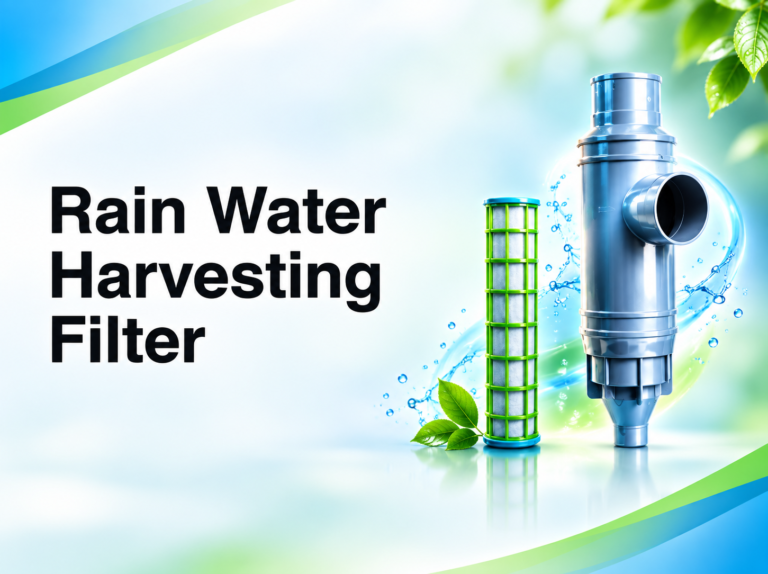
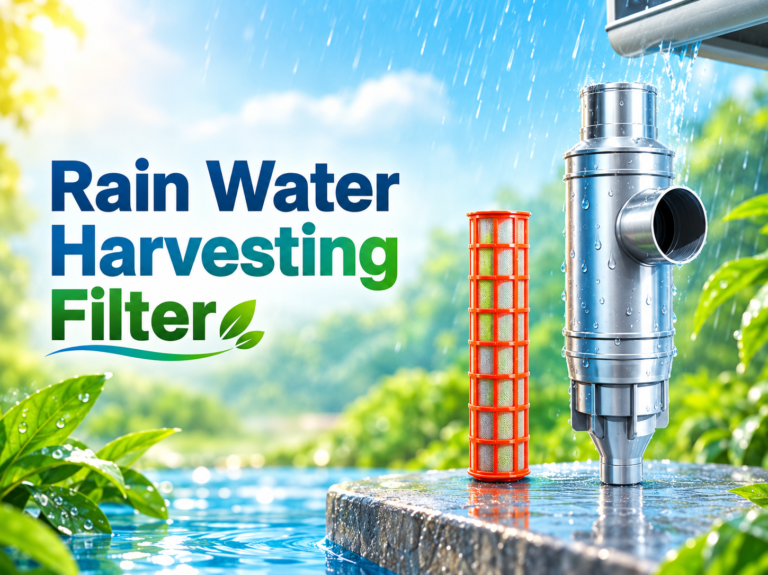
Filters are among the most critical components of any irrigation system, especially those using non-potable water. Irrigation filters remove impurities such as sand, silt, scale, algae, and other debris that can clog drip emitters and micro-sprinklers.
By preventing clogging, filters significantly improve system efficiency and performance. Modern irrigation filters are chemically resistant, durable, and designed for low maintenance, making them essential for long-term irrigation success.
Fertilizer Injectors
Fertilizer injectors are widely used in modern agriculture to apply water-soluble fertilizers, insecticides, plant growth regulators, and other nutrients during irrigation. These devices inject a precise amount of concentrated fertilizer solution into the water line from a stock tank.
Venturi fertilizer injectors are especially popular due to their accuracy, efficiency, and ease of use. They deliver nutrients directly to the plant roots, ensuring rapid absorption and reducing fertilizer wastage. Fertilizer injectors are a key feature in greenhouses, nurseries, and commercial farming operations.
Valves for Irrigation Control
Valves play a crucial role in improving the efficiency and performance of irrigation systems. They regulate water flow, manage pressure, and allow farmers to control irrigation zones independently. Valves are available in various materials, including brass and plastic, and must be selected based on system requirements.
Using the correct type and size of valve is essential for proper operation. Ball valves, foot valves, and automatic valves help reduce water costs by ensuring precise water control and preventing leaks.
Irrigation Fittings and Connectors
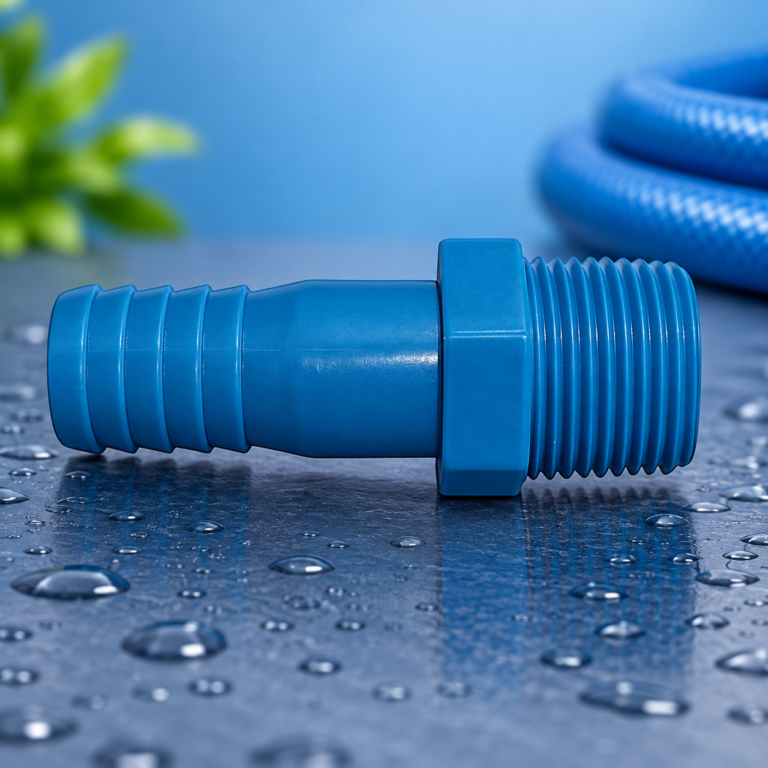
Irrigation fittings are used to connect pipes, valves, and pumps to create a complete pipeline system. These fittings allow changes in water flow direction and extension of pipelines as needed.
High-quality fittings are essential to prevent water leakage and ensure long-lasting system performance. Choosing reliable manufacturers and inspecting the pipeline system before installation helps avoid future maintenance issues.
Fertigation Assembly: Modern Nutrient Management
Fertigation assembly represents one of the most advanced fertilization techniques in modern agriculture. Fertigation combines irrigation and fertilization, allowing nutrients to be delivered directly to plant roots through the irrigation system.
This method improves nutrient efficiency, reduces fertilizer loss, and promotes uniform crop growth. Fertigation is widely adopted due to its effectiveness, sustainability, and ability to increase overall crop yield.
Conclusion: The Future of Irrigation in Agriculture
To improve crop yield and ensure sustainable farming, farmers must adopt modern irrigation solutions and efficient farm management practices. Advanced irrigation gadgets and systems help overcome challenges posed by irregular rainfall and water scarcity.
Properly installed irrigation systems ensure consistent water supply, better crop growth, and higher productivity. By choosing reliable irrigation solutions and modern gadgets, farmers can prepare their land for efficient agriculture and provide plants with the moisture they need throughout their growth cycle.