The Drip Irrigation System: Everything You Need to Know
Introduction: Why Drip Irrigation Is Gaining Popularity
Drip irrigation has become one of the most popular irrigation methods among gardeners, farmers, and agricultural professionals worldwide. The main reason behind its growing adoption is its ability to save water, time, money, and effort while improving crop productivity. In an era where water scarcity and climate change pose serious challenges to agriculture, drip irrigation offers a smart and sustainable solution. By delivering water directly to the plant roots in controlled amounts, this system ensures efficient water usage and healthier plant growth.
What Is Drip Irrigation?
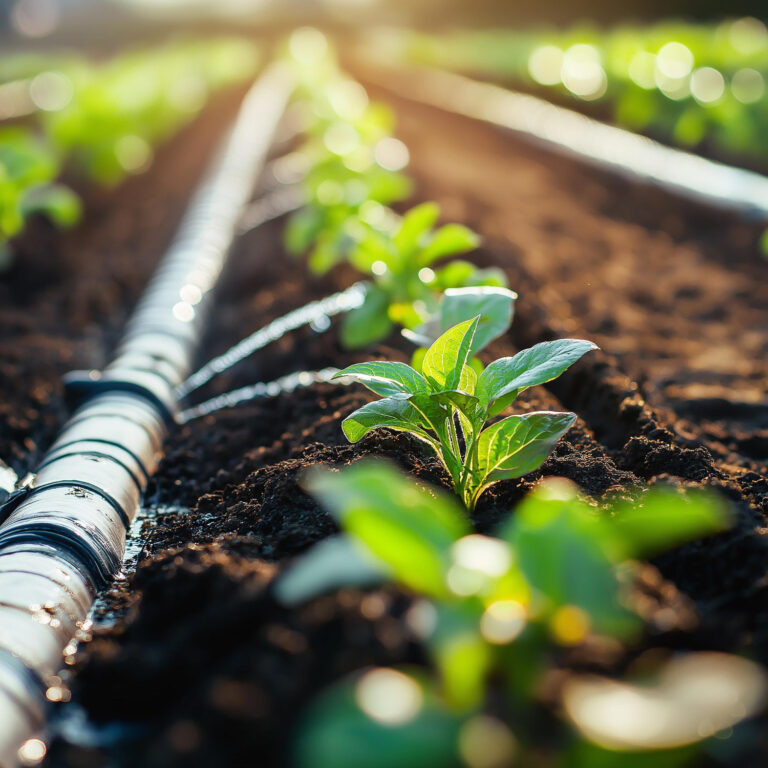
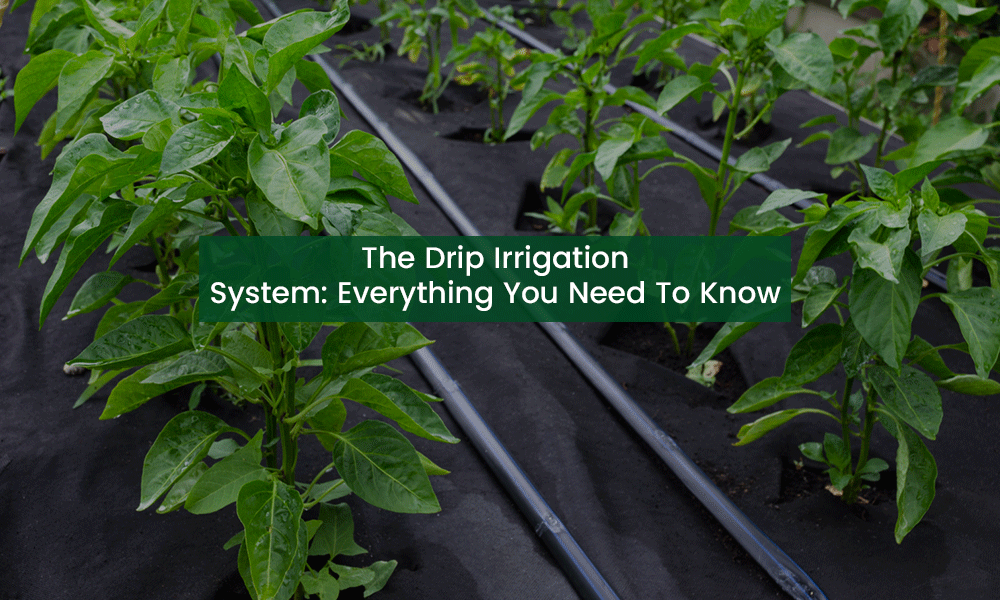
Drip irrigation is a micro-irrigation technique in which water is slowly applied to the soil near the plant roots through a network of small-diameter plastic pipes fitted with emitters or drippers. These drippers release water at very low rates, typically ranging from 2 to 20 litres per hour. Unlike traditional surface or sprinkler irrigation methods that wet the entire field, drip irrigation targets only the root zone of the plant.
By applying water closer to the plants, drip irrigation minimizes evaporation, runoff, and deep percolation losses. This targeted approach ensures that plants receive the exact amount of water they need for optimal growth, making it one of the most efficient irrigation methods available today.
How Does a Drip Irrigation System Work?
A drip irrigation system works by supplying water from a source through a series of components designed to regulate pressure, filter impurities, and distribute water evenly. The water flows from the mainline pipe into lateral pipes, which are connected to emitters positioned near each plant.
Water is applied slowly and consistently, usually every one to three days, depending on crop requirements, soil type, and climate conditions. Because the water application rate is lower than the soil’s infiltration rate, the soil remains unsaturated, preventing surface runoff and waterlogging. This controlled delivery helps maintain ideal moisture levels in the root zone, promoting strong root development and healthier plants.
Key Components of a Drip Irrigation System
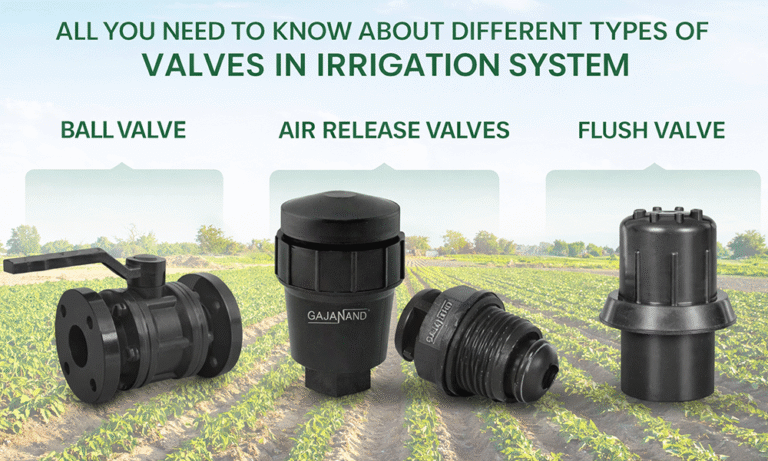
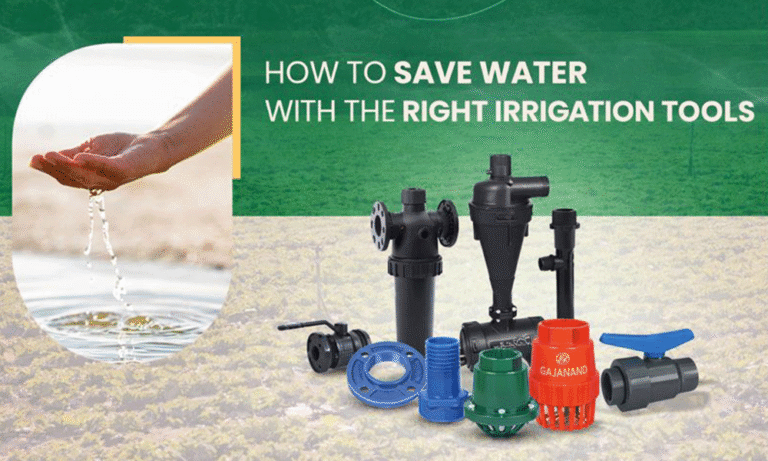
A standard drip irrigation system consists of several essential components that work together to ensure efficient operation. These include a water source, control valves, filters, pressure regulators, mainlines, laterals, and emitters. Filters play a crucial role by preventing clogging of emitters, while pressure regulators ensure that water is delivered at a consistent and safe pressure level.
Additional components such as timers and controllers can be added to automate the system. Automation allows farmers and gardeners to schedule irrigation cycles accurately, reducing labor and ensuring plants receive water at the right time.
Water Efficiency: The Biggest Advantage
One of the most significant benefits of drip irrigation is its exceptional water efficiency. Traditional irrigation methods often result in substantial water loss due to evaporation, runoff, and uneven distribution. Drip irrigation, on the other hand, delivers water directly to the plant roots, ensuring that every drop is used effectively.
Studies show that drip irrigation can reduce water usage by 30 to 50 percent compared to conventional irrigation methods. This makes it an ideal solution for regions facing water scarcity and for farmers looking to maximize yields with limited water resources.
Saving Time and Labor
Drip irrigation systems significantly reduce the time and effort required for watering crops. Once installed, the system can operate automatically with the help of timers and controllers. This eliminates the need for manual watering, allowing farmers and gardeners to focus on other important tasks.
Because water is applied directly to the root zone, weed growth is also reduced. Less weed growth means less time spent on weeding, further saving labor and maintenance costs.
Cost Savings and Long-Term Benefits
Although drip irrigation systems involve an initial investment, they offer substantial cost savings in the long run. Reduced water consumption leads to lower water bills, while improved crop yields increase overall profitability. Since water is applied efficiently, there is less nutrient loss, resulting in better fertilizer utilization.
With proper planning and maintenance, drip irrigation components can last for many years. Most users are able to recover their initial investment within one to two growing seasons, making drip irrigation a cost-effective choice for both small-scale and large-scale agricultural operations.
Easy Installation and Flexibility
Another major advantage of drip irrigation is its ease of installation. The system is typically installed on the soil surface or slightly below it, without disturbing the plant root systems. This makes it suitable for both existing crops and new plantations.
Drip irrigation systems are also highly flexible. They can be easily modified, expanded, or relocated to accommodate changes in crop patterns or garden layouts. This adaptability makes drip irrigation an excellent option for farms, greenhouses, home gardens, and even urban spaces such as balconies and rooftops.
Reduced Pests, Diseases, and Weeds
By delivering water directly to the soil, drip irrigation keeps plant leaves dry. This significantly reduces the risk of fungal diseases and pest infestations that thrive in moist conditions. Since there is no standing water on the soil surface, insects have fewer breeding grounds.
Additionally, because water is applied only to the plant root zone, weeds receive less moisture. This targeted watering helps control weed growth naturally, reducing the need for herbicides and manual weeding.
Drip Irrigation and Modern Agricultural Trends
Modern agriculture is rapidly evolving with the integration of advanced technologies and sustainable practices. Drip irrigation plays a central role in this transformation. It is a key component of precision agriculture, where resources such as water and fertilizers are applied accurately based on crop needs.
Innovative farming methods, including greenhouse farming, hydroponics, and aeroponics, often rely on micro-irrigation systems. As the agricultural sector moves toward higher efficiency and environmental responsibility, drip irrigation continues to gain importance.
Applications of Drip Irrigation
Drip irrigation is widely used across various agricultural and landscaping applications. It is suitable for large farms, vineyards, orchards, nurseries, and plantations. At the same time, it is equally effective for home gardens, lawns, and urban farming spaces.
Whether used in rural fields or urban rooftops, drip irrigation provides consistent results by ensuring optimal moisture levels for plant growth.
Final Thoughts
Drip irrigation is a practical, efficient, and sustainable irrigation solution for modern agriculture. While there is an initial upfront cost for essential components such as valves, filters, pressure regulators, and backflow preventers, the long-term benefits far outweigh the investment. Improved water efficiency, reduced labor, lower costs, and healthier crops make drip irrigation an ideal choice for farmers and gardeners alike.
As water resources become increasingly limited, adopting drip irrigation is not just an option but a necessity for sustainable food production and responsible water management.