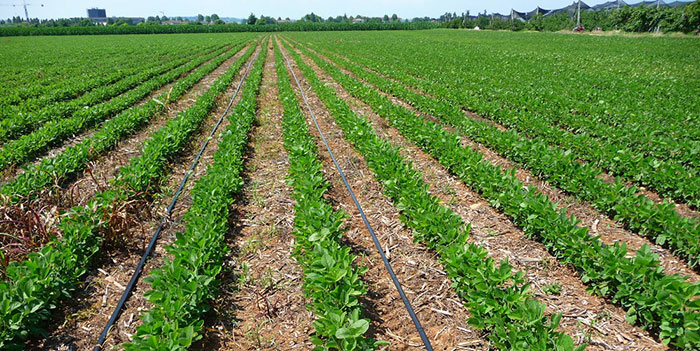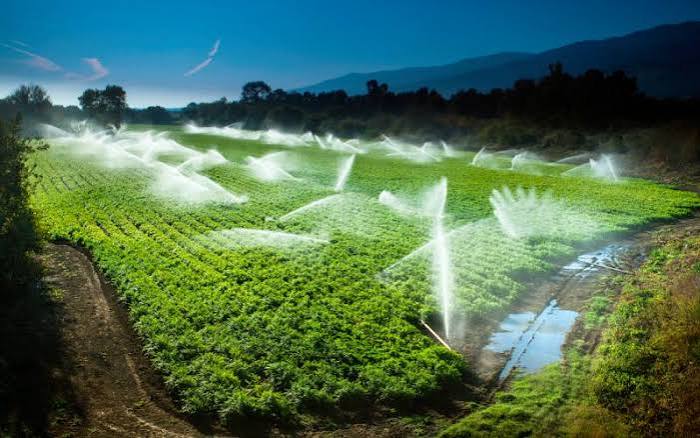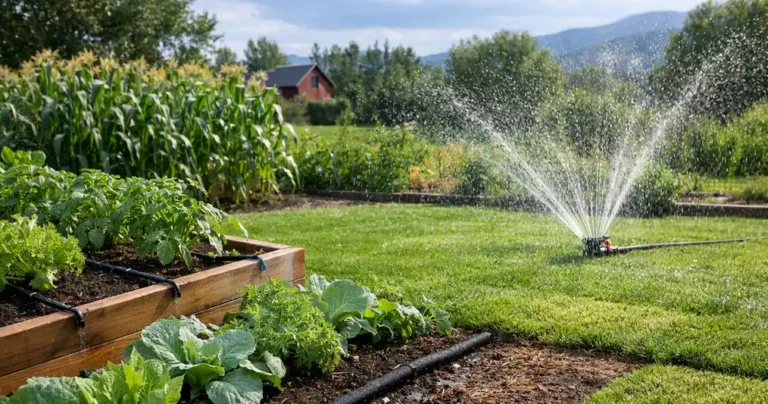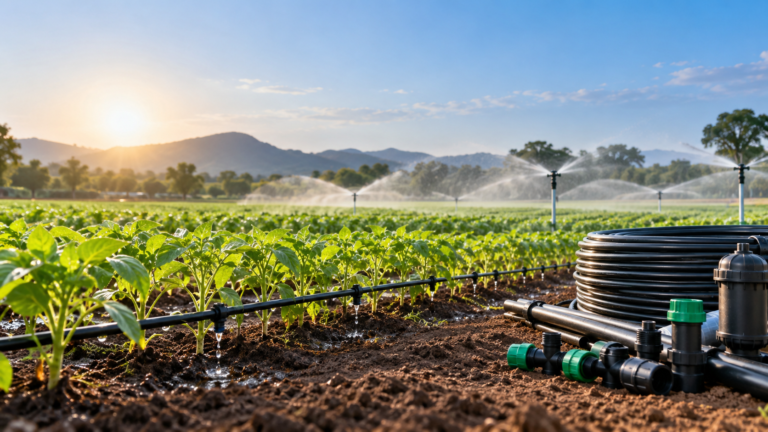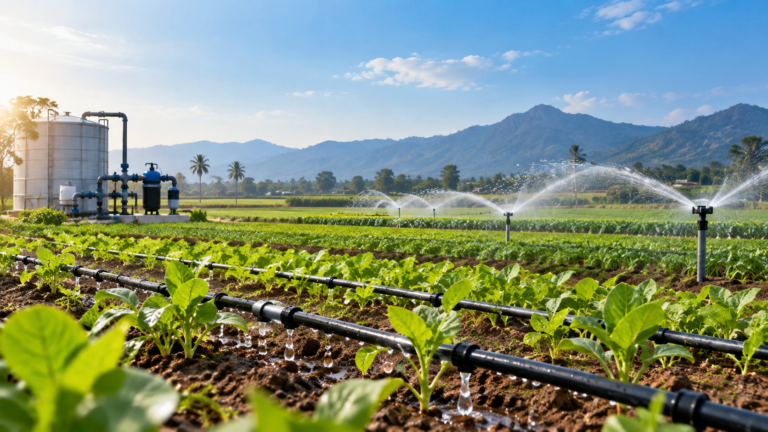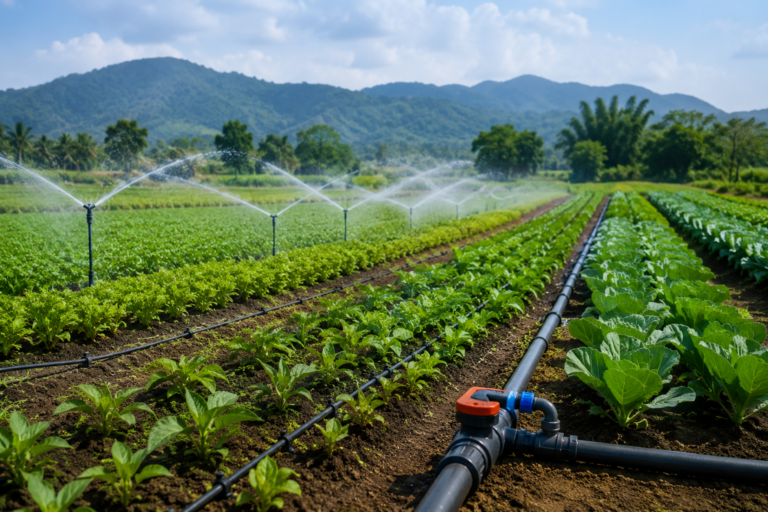
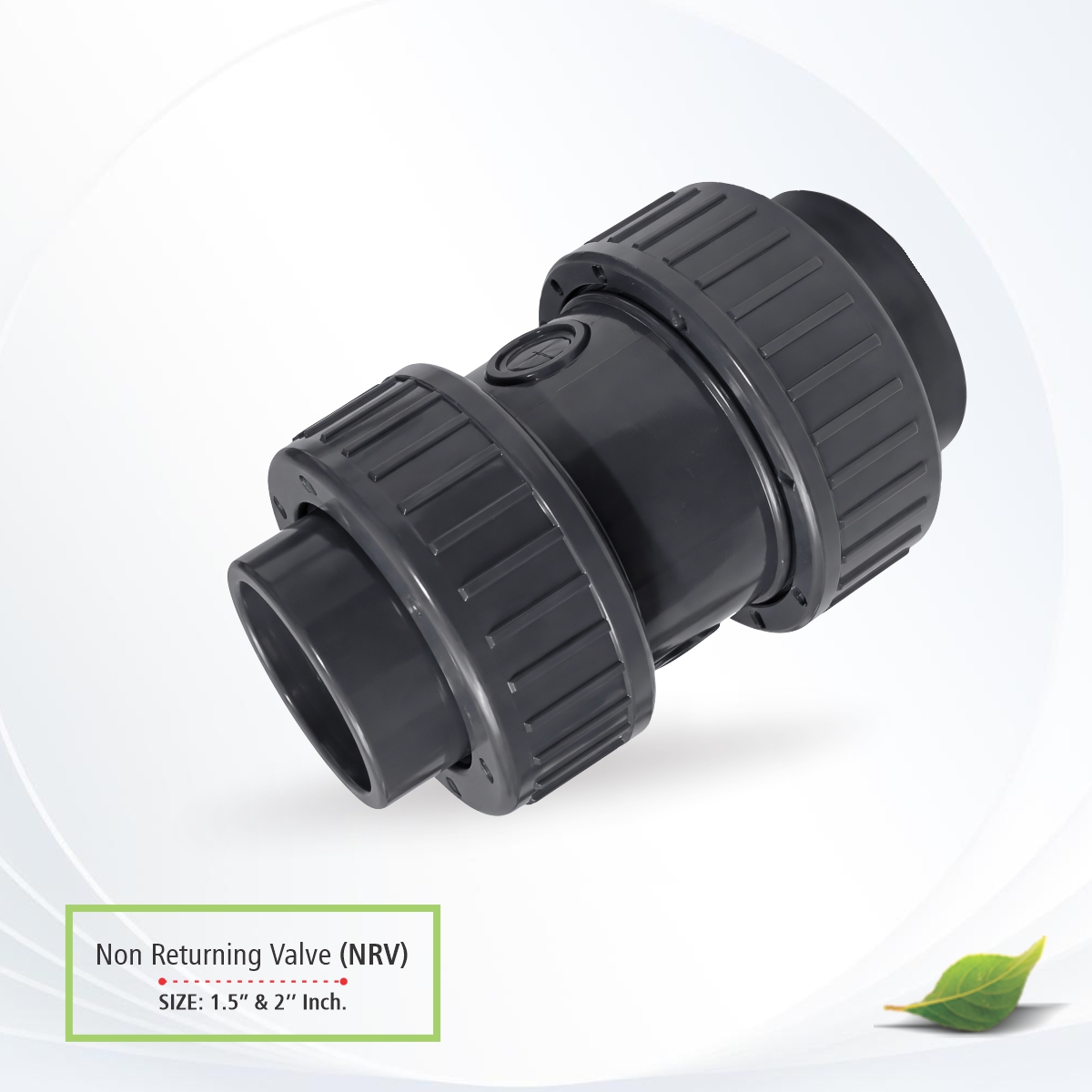
A Non-Returning Valve (NRV), also known as a Check Valve, is one of the most important components in modern irrigation systems. It ensures that water flows in only one direction and prevents reverse flow, protecting pumps, pipelines, filters, and irrigation equipment from damage. Whether you are using drip irrigation, sprinkler irrigation, rain gun systems, or agricultural pipelines, installing a high-quality Non-Returning Valve (NRV) significantly improves water efficiency, reduces maintenance costs, and extends the life of your irrigation system.
In this comprehensive guide, you’ll learn everything about Non-Returning Valves (NRVs), including how they work, their benefits, applications, installation tips, maintenance, and how to choose the best NRV for your irrigation system.
What Is a Non-Returning Valve (NRV)?
A Non-Returning Valve (NRV) is a mechanical valve designed to allow water to flow in only one direction. When water flows in the intended direction, the valve opens automatically. If the water attempts to flow backward, the valve closes immediately, preventing reverse flow or backflow.
Backflow can occur due to:
- Pump shutdown
- Pressure loss
- Gravity
- Pipeline failure
- Sudden pressure fluctuations
Without an NRV, reverse flow can damage irrigation equipment, contaminate water supplies, and reduce irrigation efficiency.
How Does a Non-Returning Valve Work?
The working principle of an NRV is simple yet highly effective.
Step 1: Forward Flow
When the pump starts, water pressure pushes the valve open.
Step 2: Continuous Water Flow
The valve remains open while sufficient forward pressure exists.
Step 3: Reverse Pressure
If the pump stops or pressure drops, water attempts to flow backward.
Step 4: Automatic Closure
The valve immediately closes using spring force or gravity, preventing reverse water movement.
This automatic operation requires no electricity or manual intervention.
Benefits of Using a Non-Returning Valve in Irrigation Systems
1. Prevents Water Backflow
The primary purpose of an NRV is to stop reverse water flow. This protects the entire irrigation network from contamination and damage.
2. Protects Water Pumps
Backflow places additional stress on pumps.
Installing an NRV helps:
- Prevent pump damage
- Reduce wear
- Increase pump lifespan
- Lower repair costs
3. Improves Irrigation Efficiency
Water reaches crops more efficiently when flow direction remains stable.
Benefits include:
- Better pressure maintenance
- Uniform irrigation
- Reduced water wastage
- Consistent crop watering
4. Prevents Water Hammer
Sudden pressure changes can create a water hammer effect.
An NRV helps minimize:
- Pressure shocks
- Pipe vibration
- Leakage
- Pipe bursts
5. Reduces Maintenance Costs
Protecting irrigation components reduces maintenance frequency.
Farmers save money on:
- Pump repairs
- Filter replacement
- Pipe maintenance
- Valve servicing
6. Increases Equipment Life
A quality NRV protects:
- Pumps
- Filters
- Fertigation units
- Drip laterals
- Main pipelines
This increases the lifespan of the entire irrigation system.
Applications of Non-Returning Valves
NRVs are widely used across agricultural and industrial water systems.
Common applications include:
- Drip irrigation systems
- Sprinkler irrigation
- Rain gun irrigation
- Agricultural pipelines
- Borewell pumping systems
- Lift irrigation
- Fertigation systems
- Water storage tanks
- Pump houses
- Industrial water distribution
- Municipal water supply systems
- Landscape irrigation
Why Every Drip Irrigation System Needs an NRV
Drip irrigation operates under controlled pressure.
Without an NRV:
- Water may flow backward.
- Emitters may clog.
- Filters may become contaminated.
- Pump efficiency decreases.
Installing an NRV ensures consistent pressure throughout the drip irrigation network.
Importance of NRVs in Sprinkler Irrigation
Sprinkler systems require balanced pressure.
An NRV helps by:
- Maintaining water pressure
- Preventing reverse flow
- Improving sprinkler performance
- Protecting pumps from sudden pressure drops
Types of Non-Returning Valves
Several types of NRVs are available depending on irrigation requirements.
Swing Check Valve
- Simple design
- Suitable for low-pressure systems
- Easy maintenance
Spring Loaded Check Valve
- Quick response
- Reliable sealing
- Suitable for varying pressure
Ball Check Valve
- Uses a ball to prevent backflow
- Compact design
- Excellent durability
Foot Valve with NRV
Installed at the pump suction line.
Benefits:
- Maintains pump priming
- Prevents reverse water flow
- Improves pumping efficiency
Features of a High-Quality Non-Returning Valve
When selecting an irrigation NRV, look for these features:
- Strong and durable construction
- Corrosion-resistant materials
- Leak-proof sealing
- Low pressure loss
- Easy installation
- UV-resistant body
- Long service life
- Low maintenance
- High-pressure tolerance
- Smooth water flow
How to Choose the Best Non-Returning Valve
Choosing the right NRV depends on several factors.
Pipe Size
Select a valve that matches your pipeline diameter.
Pressure Rating
Ensure the valve can handle the operating pressure.
Material
Common materials include:
- PVC
- HDPE-compatible materials
- Brass
- Stainless steel
- Cast iron
Choose according to your irrigation system and water quality.
Flow Capacity
Select a valve capable of handling the required water flow without excessive pressure loss.
Installation Position
Some NRVs work vertically, while others work horizontally.
Always follow manufacturer recommendations.
Installation Tips
Proper installation improves valve performance.
Follow Flow Direction
Every NRV has an arrow indicating water flow.
Install it correctly.
Clean the Pipeline
Remove dirt and debris before installation.
Ensure Proper Alignment
Incorrect alignment can cause leakage.
Tighten Connections
Use proper fittings without overtightening.
Test the System
Run the irrigation system after installation to verify smooth operation.
Maintenance Tips
Routine maintenance increases valve life.
Recommended practices include:
- Inspect regularly
- Remove accumulated debris
- Check for leakage
- Monitor water pressure
- Replace damaged seals
- Clean internal components when necessary
Preventive maintenance helps avoid unexpected system failures.
Common Problems and Solutions
Valve Not Closing
Possible causes:
- Dirt inside valve
- Damaged spring
- Worn sealing surface
Solution:
Clean or replace damaged components.
Leakage
Possible causes:
- Loose fittings
- Damaged seal
- Incorrect installation
Solution:
Retighten connections and replace seals if required.
Reduced Water Pressure
Possible causes:
- Blocked valve
- Incorrect valve size
Solution:
Clean the valve or install the correct size.
Advantages of Installing an NRV in Agriculture
Farmers experience several long-term benefits.
These include:
- Increased irrigation efficiency
- Lower electricity consumption
- Reduced pump damage
- Better crop health
- Less water wastage
- Lower maintenance expenses
- Improved water management
- Longer equipment life
- Consistent irrigation performance
Environmental Benefits
Efficient irrigation contributes to sustainable farming.
Using an NRV helps:
- Save water
- Reduce groundwater wastage
- Improve irrigation efficiency
- Support sustainable agriculture
- Lower energy consumption
Why Quality Matters
A high-quality Non-Returning Valve provides reliable performance even under demanding agricultural conditions. Inferior valves may fail prematurely, leading to water loss, pump damage, and increased maintenance costs. Investing in a durable NRV ensures consistent operation, protects valuable irrigation equipment, and minimizes downtime during critical irrigation periods.
Conclusion
A Non-Returning Valve (NRV) is an essential component of any efficient irrigation system. By preventing backflow, maintaining proper water pressure, protecting pumps, and improving overall system performance, an NRV helps farmers maximize water efficiency while reducing maintenance and operating costs.
Whether you are installing a drip irrigation system, sprinkler irrigation, rain gun system, or any agricultural water distribution network, selecting a high-quality Non-Returning Valve is a smart investment. With proper installation and regular maintenance, an NRV can deliver reliable performance for years, ensuring healthier crops, better water conservation, and improved irrigation efficiency.