Modern agriculture demands higher productivity while reducing water consumption, labour costs, and fertilizer wastage. One of the most effective solutions that helps farmers achieve these goals is a Fertigation Assembly. By combining irrigation and fertilization into a single efficient process, a fertigation assembly ensures that crops receive the right amount of water and nutrients exactly when needed.
Whether you are growing vegetables, fruits, field crops, or greenhouse plants, a high-quality Fertigation Assembly Irrigation System can significantly improve crop health, increase yields, and reduce operational costs. In this guide, we’ll explore everything you need to know about fertigation assemblies, including their working principle, features, specifications, benefits, applications, and why they are becoming an essential part of modern irrigation systems.
What is a Fertigation Assembly?
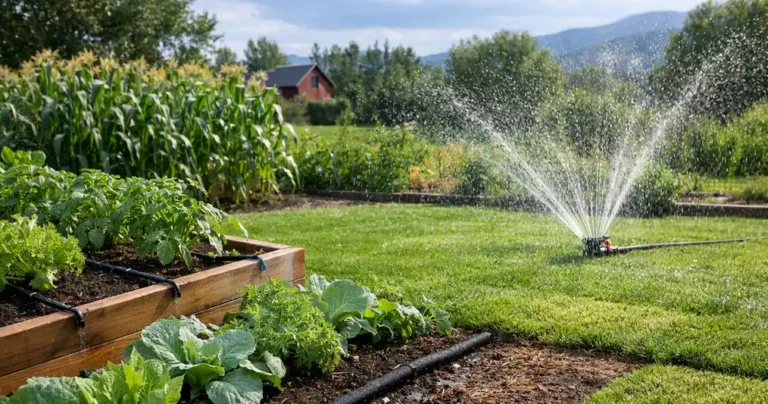
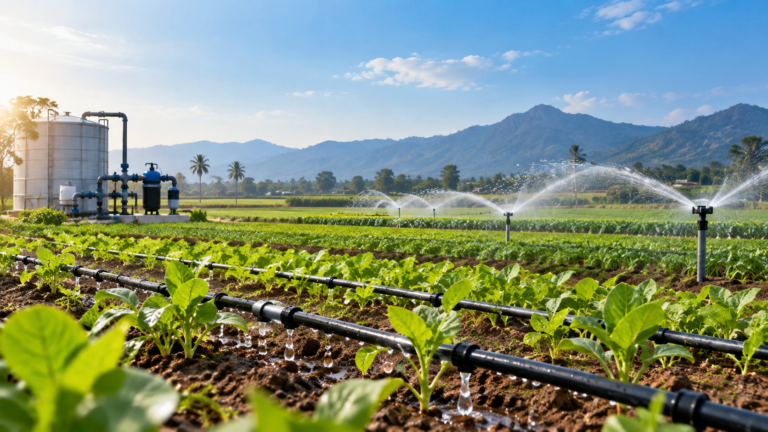
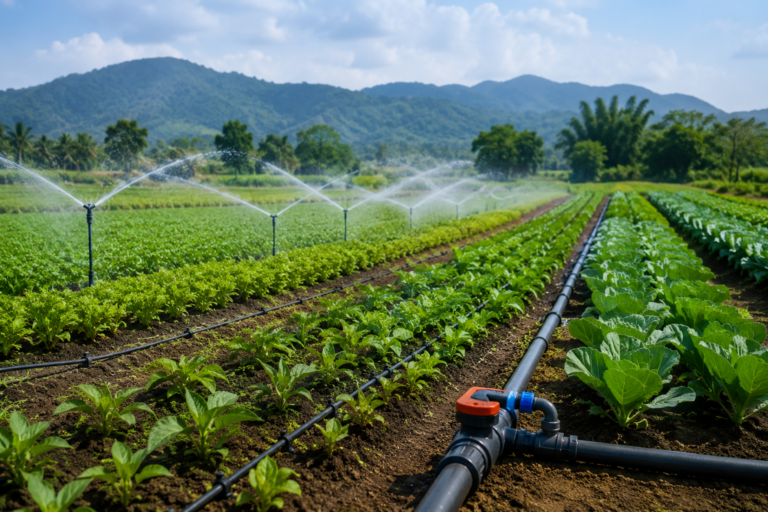
A Fertigation Assembly is an irrigation equipment designed to inject water-soluble fertilizers, nutrients, and chemicals directly into the irrigation water. This nutrient-rich water is then distributed evenly through drip irrigation or sprinkler irrigation systems, delivering fertilizers directly to the plant root zone.
Unlike traditional fertilizer application methods, where nutrients are spread manually or sprayed across fields, fertigation provides precise nutrient delivery. This improves nutrient absorption while minimizing fertilizer loss due to evaporation, runoff, or leaching.
The result is healthier crops, faster plant growth, better yields, and significant savings in water and fertilizer usage.
How Does a Fertigation Assembly Work?
A fertigation assembly operates by creating a pressure difference within the irrigation pipeline. The pressure difference allows fertilizers stored in a fertilizer tank to be sucked into the irrigation water using a Venturi Injector or fertilizer injection device.
The mixed fertilizer solution then flows through the irrigation system and reaches every plant uniformly.
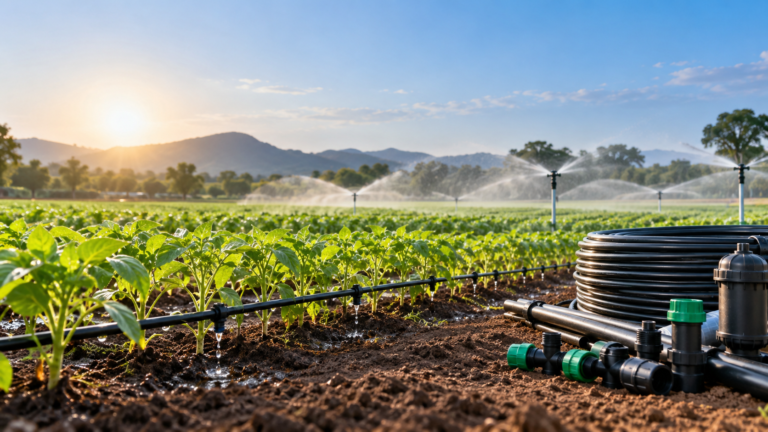
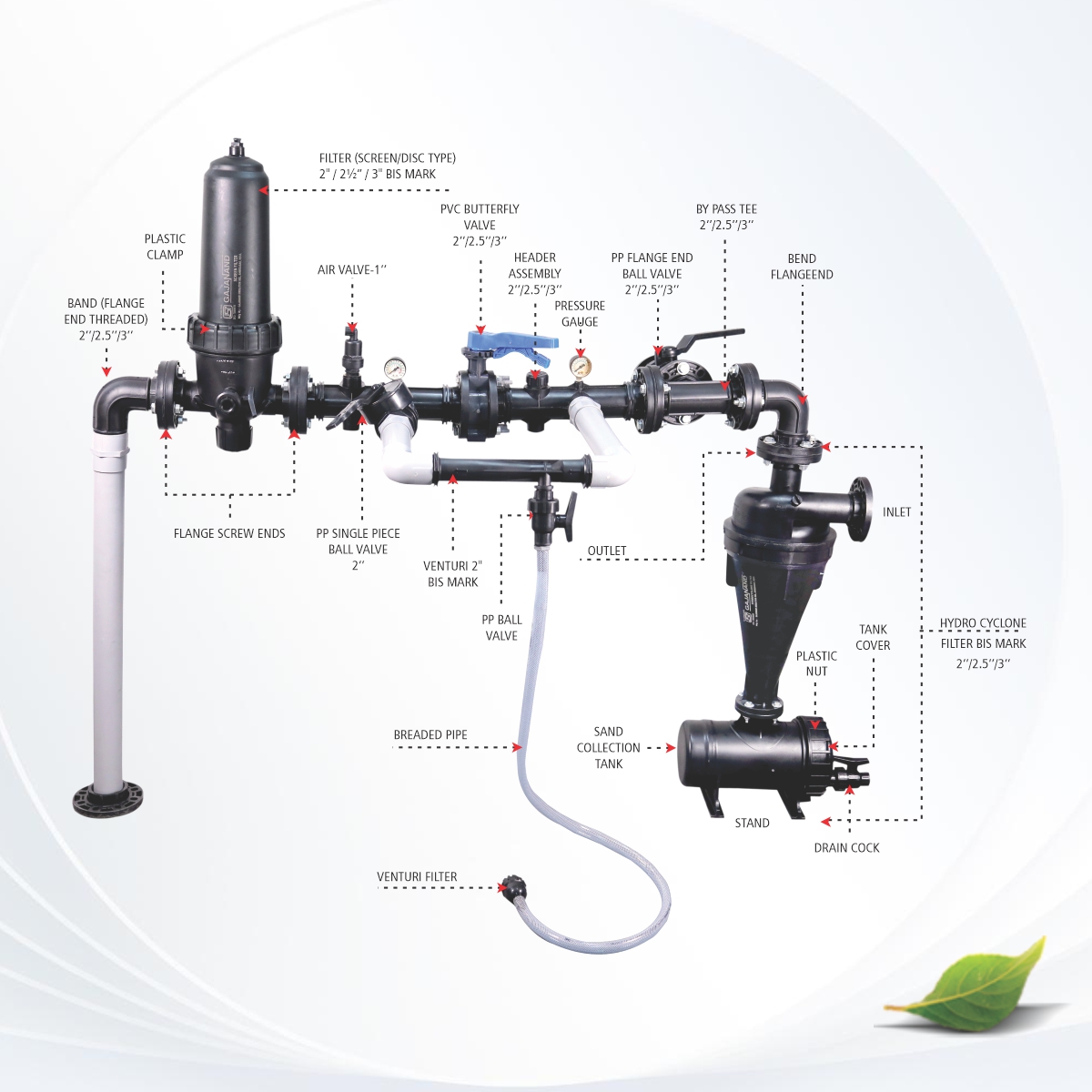
A standard fertigation assembly generally includes:
- Venturi Injector
- Control Valves
- Pressure Gauge
- Non-Return Valve
- Filters
- Fertilizer Tank
- Connectors and Fittings
Key Features of Fertigation Assembly
1. Saves Time and Effort
Traditional fertilizer application is labour-intensive and time-consuming. A fertigation assembly automates fertilizer delivery, allowing irrigation and fertilization to happen simultaneously.
2. Easy to Handle
The assembly is designed for simple installation and user-friendly operation. Farmers can quickly connect it to existing irrigation systems without complicated modifications.
3. Lightweight Construction
Manufactured from durable yet lightweight materials, the unit is easy to transport, install, and maintain.
4. High Performance
The assembly delivers fertilizers accurately and consistently throughout the irrigation process, ensuring every plant receives equal nutrients.
5. Reliable Operation
Built using corrosion-resistant components, fertigation assemblies provide dependable performance even under demanding agricultural conditions.
6. Low Maintenance
Its simple design requires minimal servicing, reducing maintenance costs and downtime.
Major Advantages of Fertigation Assembly
No Fertilizer Sprayer Required
Since fertilizers are mixed directly with irrigation water, farmers no longer require separate fertilizer spraying equipment.
Eliminates Manual Fertilizer Spraying
The automated nutrient delivery process significantly reduces labour requirements, making farming more efficient.
Reduces Fertilizer Consumption
Only the required amount of fertilizer reaches the plant roots, reducing wastage and lowering fertilizer costs.
Prevents Drip Line Blockages
The assembly includes filtration systems that help prevent clogging in drip irrigation lines, ensuring uninterrupted water flow.
Saves Water
Fertigation combines irrigation and fertilization into a single operation, minimizing water usage while maximizing nutrient efficiency.
Improves Crop Growth
Plants receive nutrients in the correct proportion exactly when they need them, leading to stronger root systems and healthier crop development.
Increases Crop Yield
Better nutrient absorption results in improved flowering, fruiting, and overall productivity.
Applications of Fertigation Assembly
Fertigation assemblies are widely used across various agricultural sectors.
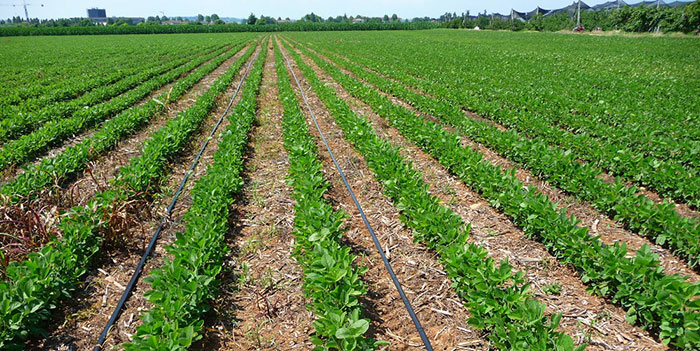
Drip Irrigation Systems
Perfect for precise nutrient delivery directly to plant roots.
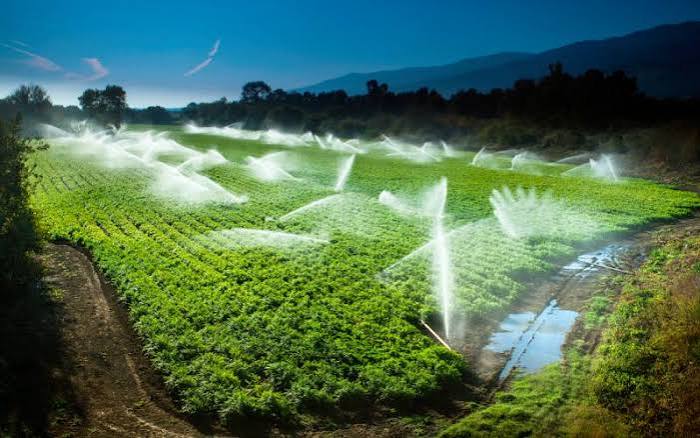
Sprinkler Irrigation
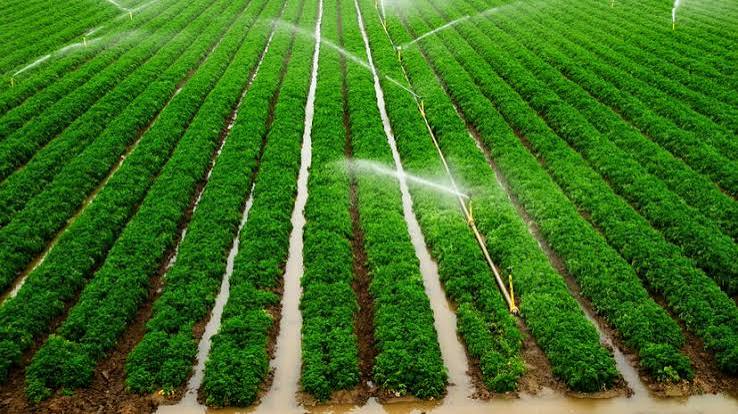
Suitable for fields where sprinkler irrigation systems are installed.
Greenhouse Farming
Supports controlled nutrient management for vegetables, flowers, and exotic crops.
Orchards
Ideal for mango, citrus, pomegranate, guava, apple, and other fruit plantations.
Vegetable Farming
Used extensively in tomato, chilli, onion, cucumber, capsicum, potato, and leafy vegetable cultivation.
Commercial Agriculture
Highly suitable for large-scale farms aiming to maximize productivity while reducing operational costs.
Components of a Fertigation Assembly
A complete fertigation assembly typically includes:
- Venturi Injector
- Pressure Gauge
- Filter Unit
- Ball Valves
- Non-Return Valve
- Fertilizer Injection Line
- PVC Fittings
- Connectors
Each component plays an important role in ensuring safe, efficient, and reliable nutrient injection into the irrigation system.
Why Fertigation is Better Than Traditional Fertilizer Application
| Traditional Method | Fertigation Assembly |
|---|---|
| Manual application | Automatic nutrient delivery |
| High labour requirement | Minimal manpower |
| Uneven fertilizer distribution | Uniform nutrient application |
| Higher fertilizer wastage | Maximum fertilizer efficiency |
| More water consumption | Water-saving irrigation |
| Higher operating cost | Lower operational expenses |
Why Choose Gajanand Irrigation Fertigation Assembly?
Gajanand Irrigation manufactures high-quality fertigation assemblies designed to meet the evolving needs of modern agriculture. Every unit is built using premium, corrosion-resistant materials for long-lasting performance in diverse farming conditions.
Benefits of Choosing Gajanand Irrigation
- Premium-quality manufacturing
- Durable and corrosion-resistant materials
- Easy installation
- Compatible with standard irrigation systems
- Excellent performance
- Low maintenance
- Uniform fertilizer distribution
- Water-saving technology
- Long service life
- Trusted agricultural irrigation solutions
Tips for Better Fertigation Performance
To achieve the best results from your fertigation assembly:
- Use only water-soluble fertilizers.
- Clean filters regularly to prevent clogging.
- Monitor pressure gauges for consistent operation.
- Flush irrigation lines periodically.
- Follow the recommended fertilizer dosage.
- Inspect valves and fittings for leaks.
- Schedule routine maintenance to ensure long-term efficiency.
Conclusion
A Fertigation Assembly is one of the smartest investments for modern farming. By combining irrigation and fertilization into one efficient system, it helps farmers save water, reduce fertilizer waste, minimize labour costs, and improve crop productivity.
With features such as lightweight construction, easy handling, reliable performance, low maintenance, and efficient nutrient distribution, fertigation assemblies have become an essential component of precision agriculture.
Whether you operate a small farm, greenhouse, orchard, or large commercial agricultural project, a Gajanand Irrigation Fertigation Assembly provides a dependable solution for efficient water and fertilizer management. Investing in a high-quality fertigation system not only enhances crop growth but also supports sustainable farming practices for better profitability and long-term agricultural success.