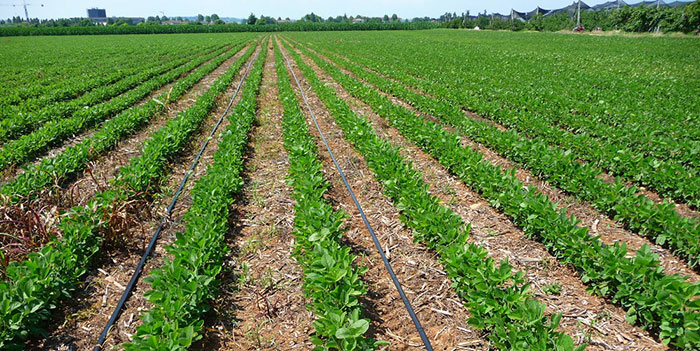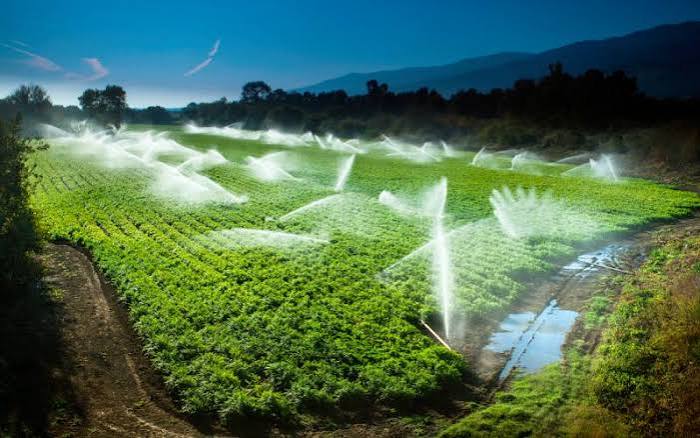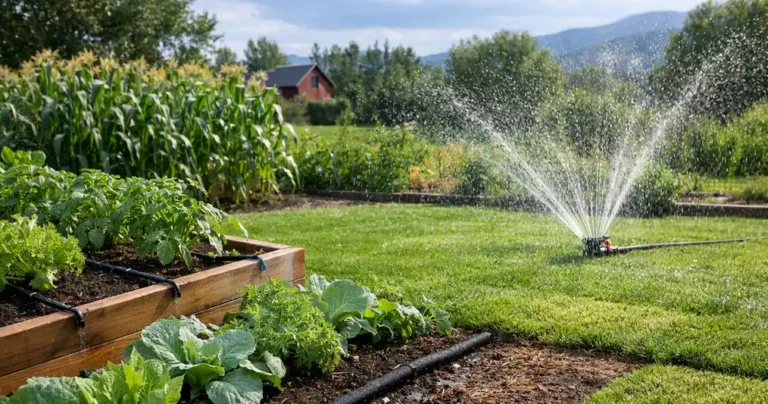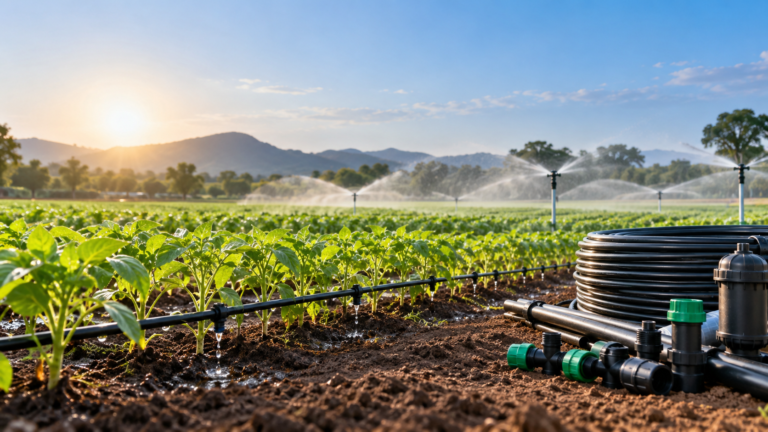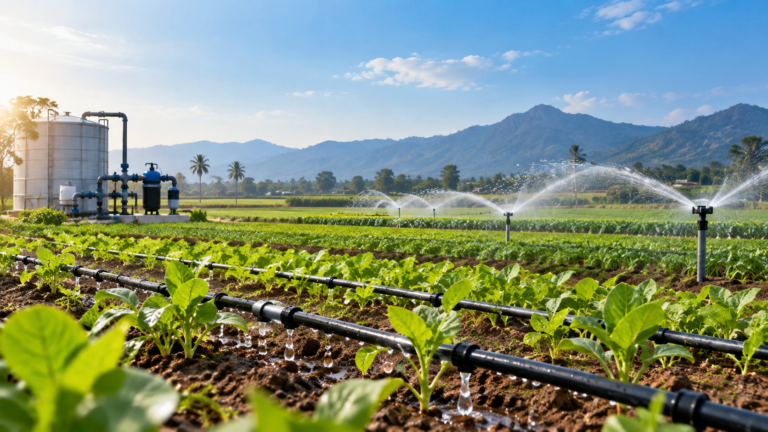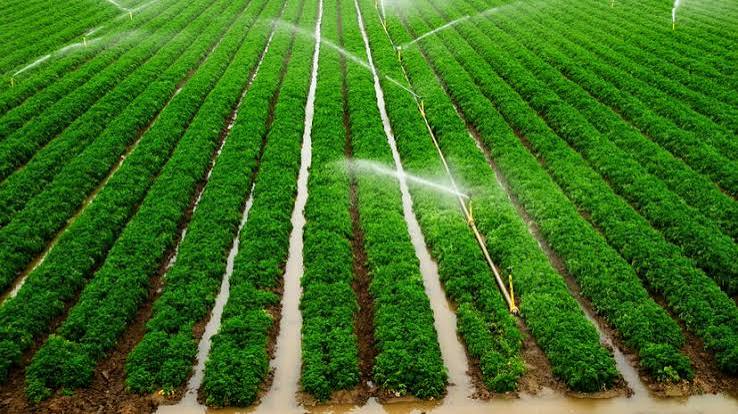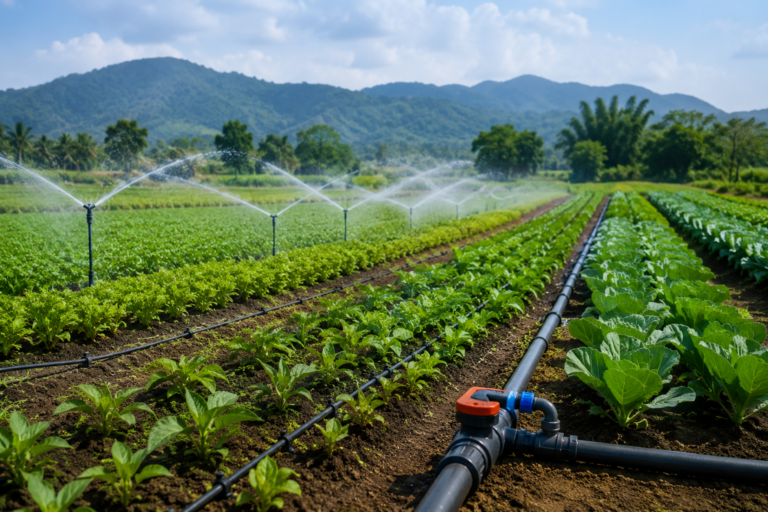
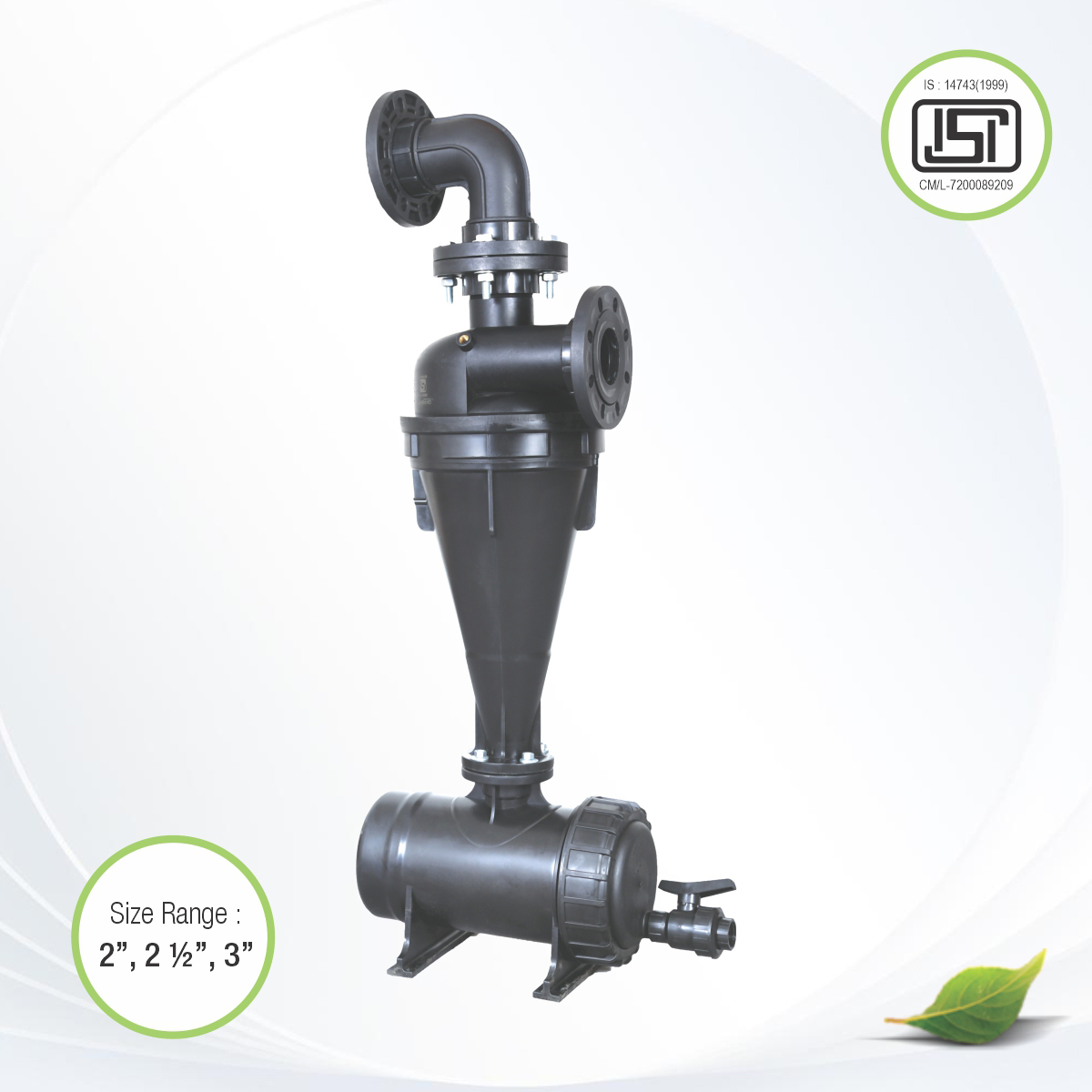
Modern agriculture depends on efficient irrigation systems to achieve higher crop yields while conserving water. However, one of the biggest challenges farmers face is protecting irrigation systems from sand, silt, and heavy particles present in borewell or canal water. These impurities can clog drippers, sprinklers, valves, and pipelines, reducing irrigation efficiency and increasing maintenance costs.
A Hydrocyclone Filter is one of the most effective pre-filtration solutions designed specifically to remove sand and heavy particles from irrigation water. At Gajanand Irrigation, we manufacture premium-quality Hydrocyclone Filters that ensure clean water reaches your irrigation system, improving performance and extending the lifespan of irrigation equipment.
Whether you operate a small farm or a large agricultural plantation, installing a Hydrocyclone Filter is an essential step toward reliable and efficient irrigation.
What is a Hydrocyclone Filter?
A Hydrocyclone Filter is a centrifugal filtration device that removes heavy particles such as:
- Sand
- Gravel
- Silt
- Heavy sediments
- Mud particles
Unlike conventional filters, Hydrocyclone Filters do not use filter screens or discs. Instead, they use centrifugal force to separate heavier particles from water.
The separated particles settle into a collection chamber, while cleaner water exits the filter and moves toward the next stage of filtration.
This makes Hydrocyclone Filters ideal for:
- Borewell water
- River water
- Canal water
- Open well water
- Water containing high sand content
How Does a Hydrocyclone Filter Work?
The working principle is simple yet highly efficient.
Step 1: Water Entry
Water enters the Hydrocyclone Filter tangentially, creating a high-speed swirling motion.
Step 2: Centrifugal Force
As water spins inside the chamber, centrifugal force pushes heavier particles toward the outer wall.
Step 3: Particle Separation
Sand and heavy impurities move downward into the sediment collection chamber.
Step 4: Clean Water Exit
Relatively clean water flows upward through the outlet and enters the next filtration stage.
Step 5: Sediment Removal
Collected sand and sediments are periodically flushed out using the drain valve.
This process requires no electricity and operates entirely using water pressure.
Why Hydrocyclone Filters are Important
Water used in irrigation often contains abrasive particles that can damage expensive irrigation components.
Without proper filtration, these particles can cause:
- Dripper clogging
- Sprinkler blockage
- Valve damage
- Pipe wear
- Reduced irrigation efficiency
- Increased maintenance costs
Installing a Hydrocyclone Filter significantly reduces these issues by removing heavy particles before they reach the irrigation network.
Key Features of Gajanand Irrigation Hydrocyclone Filters
High Sand Separation Efficiency
Designed to remove a high percentage of sand and heavy particles from irrigation water.
Heavy-Duty Construction
Manufactured using premium-quality materials for long-term durability in agricultural environments.
Corrosion Resistant
Suitable for continuous exposure to water and outdoor conditions.
Easy Maintenance
Simple flushing mechanism makes sediment removal quick and convenient.
Low Pressure Loss
Maintains excellent water flow while efficiently separating heavy impurities.
No Moving Parts
The simple design reduces wear and minimizes maintenance requirements.
Long Service Life
Built to deliver years of reliable performance with minimal upkeep.
Benefits of Hydrocyclone Filters
Installing a Hydrocyclone Filter provides several advantages for modern irrigation systems.
Protects Drip Irrigation Systems
Removes sand before it reaches drip laterals and emitters.
Reduces Clogging
Prevents blockage in:
- Drippers
- Sprinklers
- Mini sprinklers
- Foggers
- Micro irrigation systems
Improves Irrigation Efficiency
Clean water ensures uniform water distribution across the field.
Low Maintenance Costs
Less clogging means fewer repairs and reduced maintenance expenses.
Extends Equipment Life
Protects pumps, valves, pipelines, and filtration equipment from abrasive wear.
Saves Water
Proper filtration prevents uneven irrigation caused by blocked emitters.
Enhances Crop Growth
Uniform irrigation supports healthy root development and improved crop yields.
Applications of Hydrocyclone Filters
Hydrocyclone Filters are widely used across different agricultural sectors.
Suitable applications include:
- Drip irrigation systems
- Sprinkler irrigation
- Micro irrigation
- Greenhouses
- Polyhouses
- Fruit orchards
- Vegetable cultivation
- Sugarcane farming
- Cotton fields
- Banana plantations
- Pomegranate orchards
- Mango farms
- Vineyards
- Floriculture
- Landscape irrigation
Crops That Benefit from Hydrocyclone Filters
Hydrocyclone Filters are ideal for irrigating various crops, including:
- Banana
- Cotton
- Sugarcane
- Groundnut
- Wheat
- Maize
- Soybean
- Onion
- Potato
- Tomato
- Chili
- Brinjal
- Cucumber
- Grapes
- Mango
- Lemon
- Orange
- Pomegranate
- Papaya
- Coconut
Why Hydrocyclone Filters are Ideal for Borewell Water
Many agricultural borewells produce water containing fine sand particles.
These particles gradually damage:
- Pumps
- Drip emitters
- Valves
- Filters
- Pipelines
Hydrocyclone Filters effectively remove these abrasive particles before they enter the irrigation system.
This not only improves filtration efficiency but also protects expensive irrigation infrastructure.
Installation Process
Proper installation ensures maximum filtration efficiency.
Typical installation sequence:
Water Source → Pump → Hydrocyclone Filter → Sand Media Filter → Disc Filter/Screen Filter → Fertigation Unit → Irrigation Network
This arrangement provides multi-stage filtration, ensuring clean water reaches every dripper and sprinkler.
Maintenance Tips
Regular maintenance helps maintain optimal performance.
Recommended maintenance includes:
- Flush the sediment chamber periodically.
- Inspect the drain valve regularly.
- Check operating pressure.
- Remove accumulated sand after heavy usage.
- Inspect connections for leakage.
- Schedule routine system inspections.
Proper maintenance increases filter efficiency and extends service life.
Why Choose Gajanand Irrigation Hydrocyclone Filters?
Gajanand Irrigation is committed to manufacturing reliable irrigation products that improve agricultural productivity.
Our Hydrocyclone Filters offer:
- Premium manufacturing quality
- Efficient sand removal
- Rugged construction
- Long operational life
- Easy installation
- Low maintenance
- Excellent performance
- Suitable for Indian farming conditions
- Compatible with modern irrigation systems
- Cost-effective water filtration solutions
Our products are engineered to meet the evolving needs of farmers, helping them achieve better irrigation performance while reducing maintenance and operational costs.
Best Practices for Maximum Filter Performance
To maximize the efficiency of your Hydrocyclone Filter:
- Use the correct filter size based on water flow.
- Install after the pump.
- Combine with secondary filtration systems.
- Flush sediments regularly.
- Monitor pressure during operation.
- Replace worn components when required.
- Conduct seasonal inspections.
Following these practices ensures uninterrupted irrigation and long-term system reliability.
Conclusion
A Hydrocyclone Filter is an essential component of any efficient irrigation system, especially where water contains high levels of sand and heavy sediments. By removing abrasive particles before they reach pipelines, drippers, and sprinklers, these filters help reduce clogging, lower maintenance costs, and improve the overall lifespan of irrigation equipment.
Gajanand Irrigation Hydrocyclone Filters are designed with durability, efficiency, and ease of maintenance in mind. Suitable for drip irrigation, sprinkler systems, orchards, greenhouses, and a wide range of agricultural applications, they deliver dependable performance under diverse farming conditions. Investing in a high-quality Hydrocyclone Filter not only protects your irrigation infrastructure but also promotes consistent water distribution, healthier crops, and improved farm productivity.