Introduction
Modern agriculture is constantly evolving to meet the growing demand for food while conserving natural resources. One of the most significant innovations transforming farming practices today is drip irrigation. As water scarcity becomes a major concern across the globe, farmers are increasingly adopting efficient irrigation methods that maximize crop productivity while minimizing water usage.
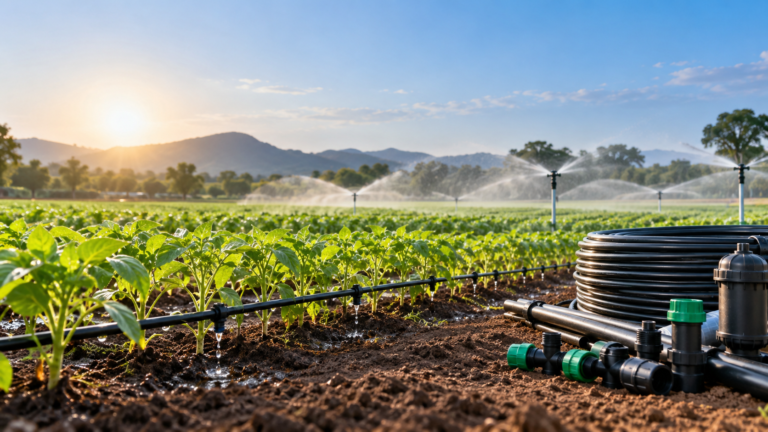
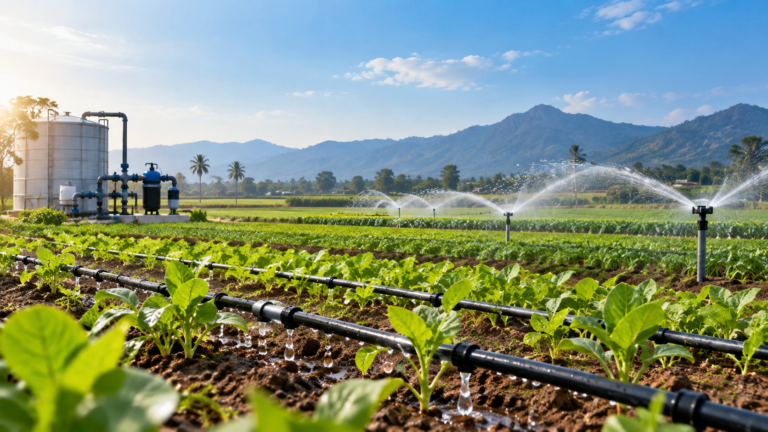
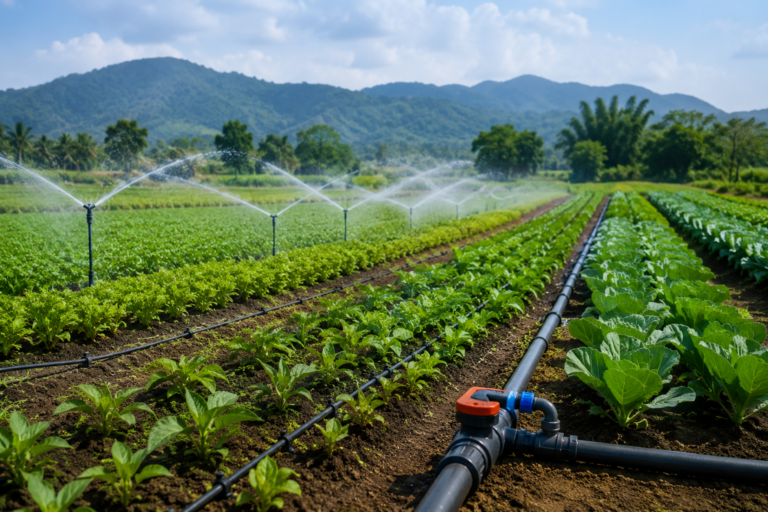
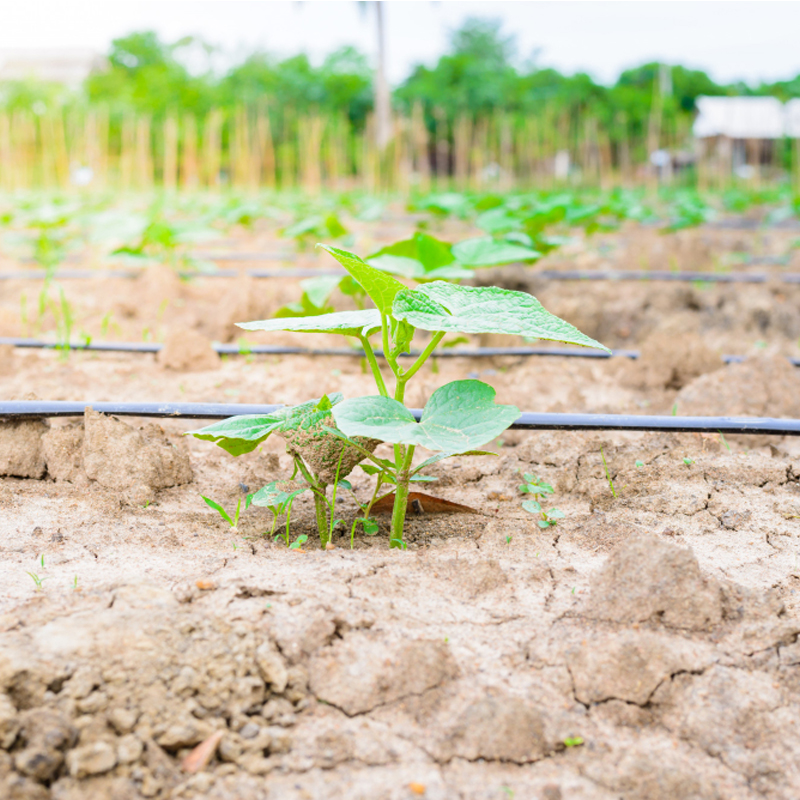
Drip irrigation is a highly efficient watering system that delivers water directly to the root zone of plants through a network of pipes, valves, emitters, and tubing. Unlike traditional irrigation methods that often lead to water wastage through evaporation, runoff, and deep percolation, drip irrigation ensures that plants receive the exact amount of water they need at the right time.
This advanced irrigation technique has become a cornerstone of modern agriculture due to its ability to improve crop yields, reduce costs, and promote sustainable farming practices. In this article, we will explore the top benefits of drip irrigation in modern agriculture and why it is considered one of the most effective solutions for today’s farming challenges.
1. Significant Water Conservation
One of the primary advantages of drip irrigation is its exceptional water efficiency. Traditional irrigation methods can waste a substantial amount of water through evaporation and runoff. Drip irrigation, however, delivers water directly to the root zone, ensuring minimal wastage.
Studies have shown that drip irrigation can reduce water consumption by up to 50% compared to conventional irrigation systems. This makes it an ideal solution for regions facing water shortages and drought conditions.
By conserving water, farmers can maintain healthy crops while reducing their overall water expenses and supporting sustainable agricultural practices.
2. Increased Crop Yield and Productivity
Drip irrigation provides plants with a consistent and controlled supply of water, creating optimal growing conditions throughout the crop cycle. When plants receive adequate moisture directly at their roots, they experience less stress and develop stronger root systems.
As a result, crops grow more uniformly and produce higher yields. Farmers often report significant improvements in both crop quality and quantity after implementing drip irrigation systems.
Enhanced productivity allows farmers to maximize their profits while making more efficient use of their land and resources.
3. Improved Fertilizer Efficiency
Modern drip irrigation systems allow farmers to combine irrigation with fertilization through a process known as fertigation. Fertilizers can be delivered directly through the irrigation system, ensuring nutrients reach the plant roots efficiently.
This targeted nutrient delivery reduces fertilizer wastage and improves nutrient absorption by plants. As a result, crops receive the essential nutrients they need for healthy growth while farmers reduce overall fertilizer costs.
Improved fertilizer efficiency also helps minimize environmental pollution caused by excessive nutrient runoff.
4. Reduced Weed Growth
Weeds compete with crops for water, nutrients, sunlight, and space. Traditional irrigation methods often wet large areas of soil, encouraging weed growth throughout the field.
Drip irrigation delivers water only to the crop root zone, leaving surrounding soil relatively dry. This significantly reduces the conditions necessary for weed germination and growth.
With fewer weeds to manage, farmers can reduce labor costs, minimize herbicide use, and improve overall crop health.
5. Lower Risk of Plant Diseases
Many plant diseases thrive in moist environments and spread through wet foliage. Overhead irrigation systems frequently leave plant leaves wet for extended periods, creating ideal conditions for fungal and bacterial infections.
Drip irrigation applies water directly to the soil without wetting the foliage. This helps reduce humidity around the plants and minimizes the risk of diseases such as powdery mildew, leaf spot, and blight.
Healthier crops require fewer pesticide applications and contribute to better agricultural productivity.
6. Enhanced Soil Health
Soil health plays a crucial role in sustainable agriculture. Excessive watering can cause soil erosion, nutrient leaching, and compaction, all of which negatively impact crop growth.
Drip irrigation provides a slow and controlled water supply that allows soil to maintain its natural structure. The system minimizes soil disturbance and helps preserve valuable nutrients within the root zone.
Healthy soil supports stronger root development, better water retention, and improved long-term farm productivity.
7. Reduced Labor Requirements
Traditional irrigation methods often require significant labor for monitoring, maintenance, and water distribution. Drip irrigation systems can be automated using timers, sensors, and smart controllers.
Automation enables farmers to schedule irrigation according to crop needs without constant manual intervention. This reduces labor costs and allows farm workers to focus on other important agricultural tasks.
For large-scale farming operations, labor savings can translate into substantial financial benefits over time.
8. Better Performance in Challenging Environments
Drip irrigation performs exceptionally well in areas with uneven terrain, sandy soils, and limited water availability. Unlike flood irrigation, which may distribute water unevenly, drip systems provide precise water delivery regardless of field conditions.
This flexibility makes drip irrigation suitable for a wide range of crops, including vegetables, fruits, flowers, vineyards, orchards, and greenhouse production.
Farmers can achieve consistent results even in regions with difficult growing conditions.
9. Energy and Cost Savings
Efficient water use directly contributes to lower energy consumption. Because drip irrigation requires less water than conventional systems, farmers spend less energy on pumping and water transportation.
Reduced water usage, lower fertilizer costs, decreased labor expenses, and improved crop yields all contribute to a higher return on investment.
Although the initial installation cost may be higher than traditional systems, the long-term financial benefits often outweigh the upfront investment.
10. Supports Sustainable Agriculture
Sustainability has become a major focus in modern farming. Drip irrigation supports environmentally responsible agricultural practices by conserving water, reducing chemical runoff, improving resource efficiency, and minimizing soil degradation.
As governments and agricultural organizations promote sustainable farming initiatives, drip irrigation continues to gain popularity as a key technology for future food production.
By adopting drip irrigation, farmers can contribute to environmental conservation while maintaining profitable agricultural operations.
Why Modern Farmers Are Choosing Drip Irrigation
The agricultural sector faces numerous challenges, including climate change, water scarcity, rising input costs, and increasing food demand. Drip irrigation addresses many of these issues by providing a practical and efficient solution for water management.
Farmers who implement drip irrigation often experience:
- Higher crop yields
- Better crop quality
- Reduced water consumption
- Lower operating costs
- Improved resource management
- Increased profitability
- Greater environmental sustainability
These advantages make drip irrigation one of the most valuable investments available to modern agricultural businesses.
Conclusion
Drip irrigation has revolutionized modern agriculture by offering a highly efficient and sustainable approach to water management. From conserving water and increasing crop yields to reducing labor costs and improving soil health, the benefits of drip irrigation are substantial.
As the global agricultural industry continues to evolve, adopting advanced irrigation technologies will be essential for maintaining productivity and environmental responsibility. Farmers who invest in drip irrigation today are positioning themselves for long-term success in an increasingly competitive and resource-conscious agricultural landscape.
Whether you operate a small farm, a commercial agricultural enterprise, or a greenhouse facility, drip irrigation can help maximize efficiency, improve crop performance, and support sustainable farming practices for years to come.