Introduction
Maharashtra is one of India’s largest agricultural states, cultivating crops such as sugarcane, cotton, soybean, grapes, pomegranate, banana, onion, vegetables, and pulses. However, farmers across the state frequently face challenges like irregular rainfall, declining groundwater levels, rising irrigation costs, and increasing labor shortages.
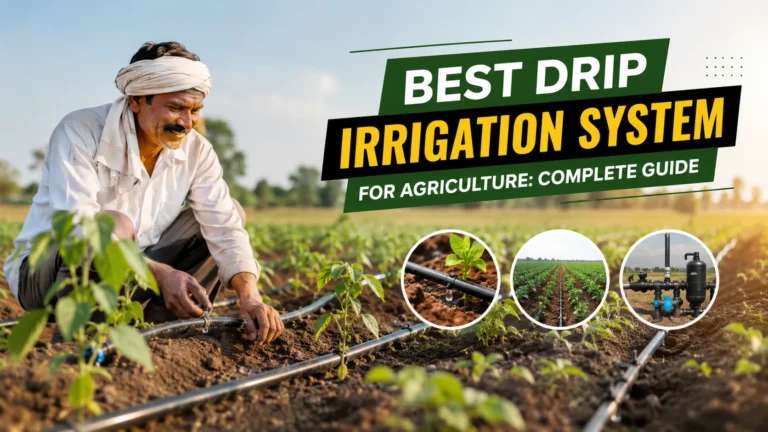
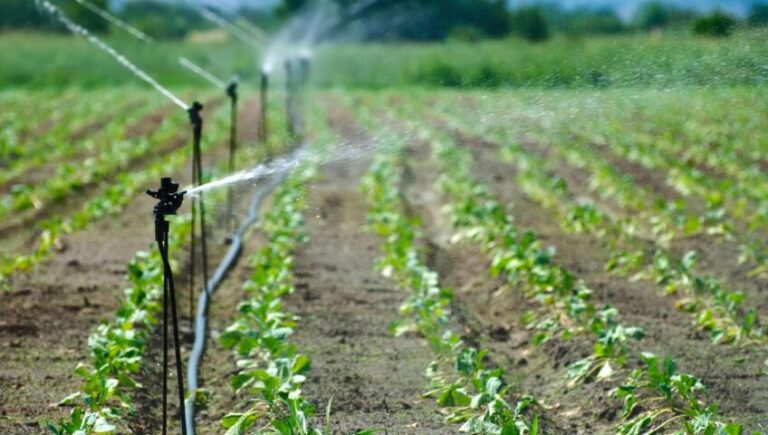
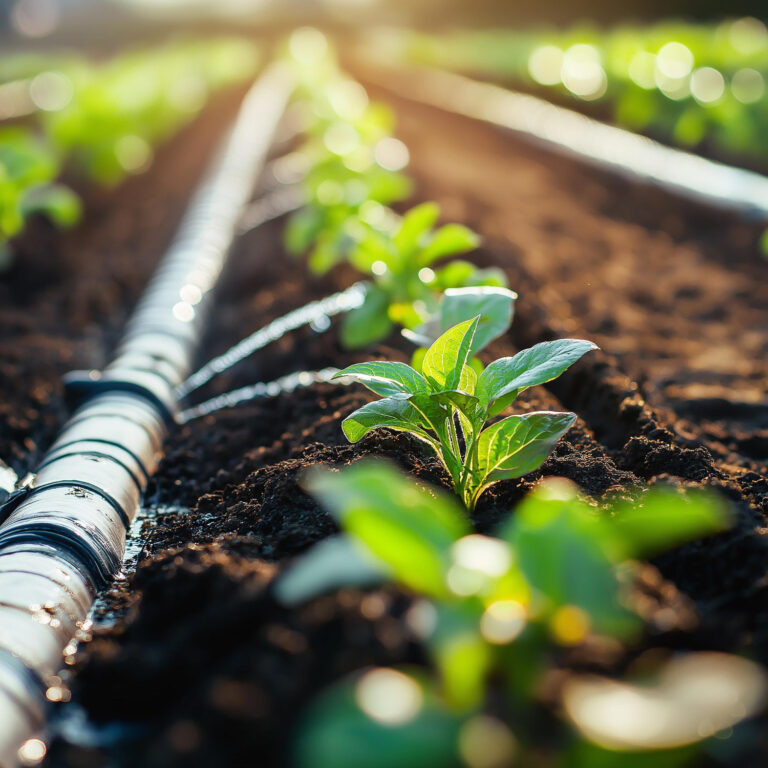
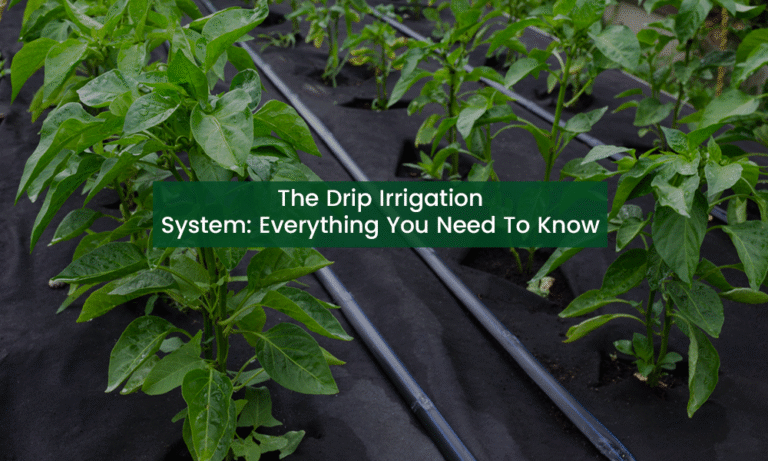
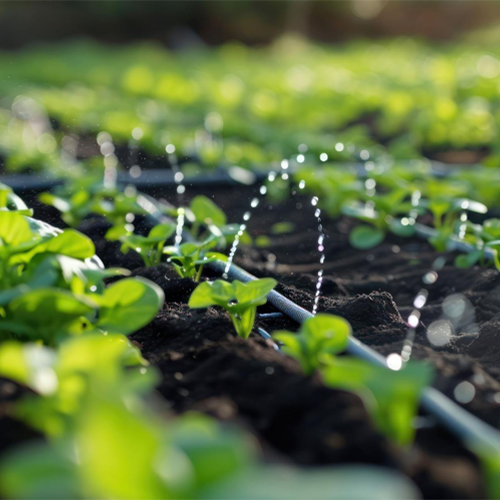
Modern agriculture requires efficient water management, and drip irrigation has become one of the most effective solutions. Unlike traditional flood irrigation, drip irrigation delivers water directly to the plant’s root zone through a network of pipes, emitters, filters, and valves. This precise application minimises water loss and helps crops grow under optimal moisture conditions.
With government support for micro-irrigation and growing awareness among farmers, drip irrigation has become an essential investment for improving productivity and sustainability.
Below are the ten major benefits of drip irrigation for farmers in Maharashtra.
1. Saves Water Efficiently
Water scarcity is a major concern in many districts of Maharashtra. Drip irrigation applies water directly to the roots, significantly reducing evaporation, runoff, and deep percolation losses. Compared with conventional flood irrigation, drip systems can reduce water use substantially while maintaining or improving crop performance. This makes them especially valuable in drought-prone regions.
Benefits
- Reduced water wastage
- Improved irrigation efficiency
- Better groundwater conservation
- Suitable for limited water resources
2. Increases Crop Yield
Healthy plants require a consistent supply of water. Drip irrigation maintains uniform soil moisture, allowing crops to develop stronger roots and produce better-quality harvests.
Farmers often observe:
- Faster crop growth
- Improved fruit size
- Better crop quality
- Higher market value
- Increased overall productivity
3. Improves Fertiliser Efficiency
Drip irrigation supports fertigation, where fertilisers are delivered through the irrigation system directly to the root zone.
Advantages include:
- Better nutrient absorption
- Reduced fertilizer wastage
- Lower input costs
- Healthier plant development
- Uniform crop growth
4. Reduces Weed Growth
Traditional irrigation wets the entire field, encouraging weeds to grow between crop rows. Drip irrigation waters only the root zone, leaving surrounding areas relatively dry and reducing weed growth.
This results in:
- Lower weeding costs
- Less competition for nutrients
- Improved crop health
5. Reduces Plant Diseases
Excess moisture on leaves often promotes fungal and bacterial diseases. Because drip irrigation applies water at the base of the plant instead of overhead, foliage remains drier.
Benefits include:
- Lower disease pressure
- Reduced pesticide use
- Healthier crops
- Improved produce quality
6. Saves Labour and Time
Manual irrigation requires considerable time and labor. A properly designed drip irrigation system can automate much of the watering process.
Advantages include:
- Reduced labor requirements
- Faster irrigation
- Easy operation
- Better time management
- Increased farm efficiency
7. Suitable for Different Crops
Drip irrigation is highly versatile and can be used for:
- Sugarcane
- Grapes
- Banana
- Mango
- Pomegranate
- Cotton
- Tomato
- Onion
- Chilli
- Cucumber
- Capsicum
- Floriculture
- Nursery plants
- Greenhouses
- Polyhouses
Its flexibility makes it suitable for diverse farming systems across Maharashtra.
8. Improves Soil Health
Flood irrigation may cause soil erosion, nutrient leaching, and waterlogging. Drip irrigation supplies controlled amounts of water, helping maintain healthy soil conditions.
Benefits include:
- Reduced erosion
- Better soil structure
- Balanced moisture
- Improved microbial activity
- Long-term soil productivity
9. Lowers Farming Costs
Although the initial installation cost may be higher than traditional methods, drip irrigation can reduce long-term operating expenses through:
- Lower water bills
- Reduced fertilizer consumption
- Less labor
- Lower energy use
- Reduced maintenance costs
- Better return on investment
Over time, these savings help improve farm profitability.
10. Supports Sustainable Agriculture
Sustainable farming focuses on producing more food while conserving natural resources. Drip irrigation supports this goal by:
- Conserving water
- Reducing chemical losses
- Lowering energy consumption
- Improving soil health
- Supporting environmentally responsible farming
- Increasing resilience to changing climate conditions