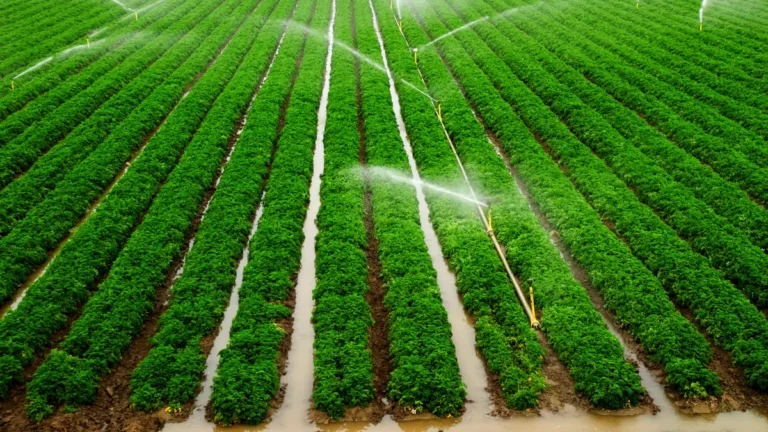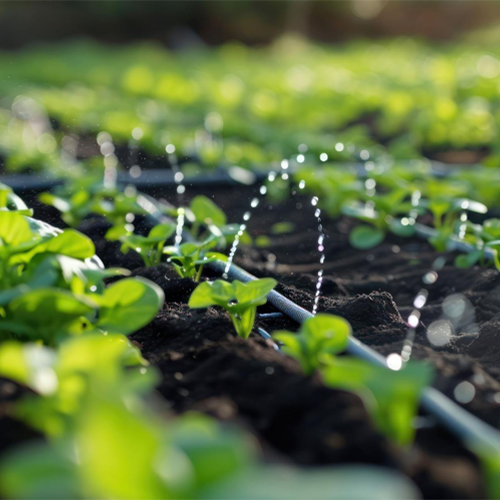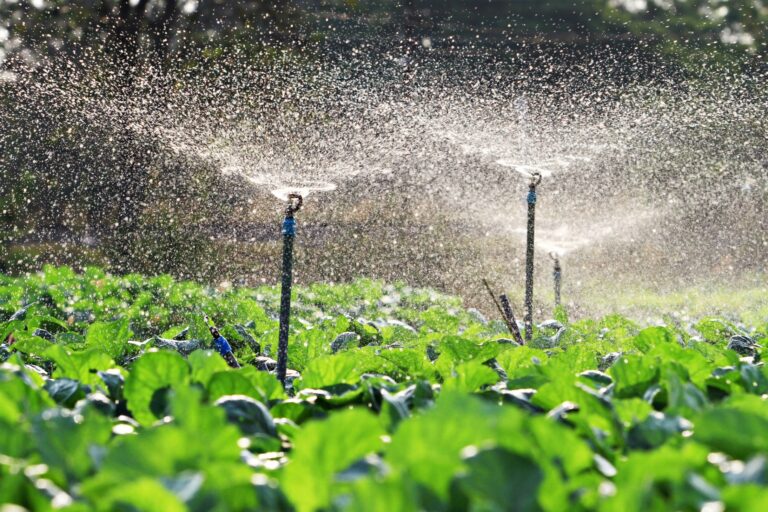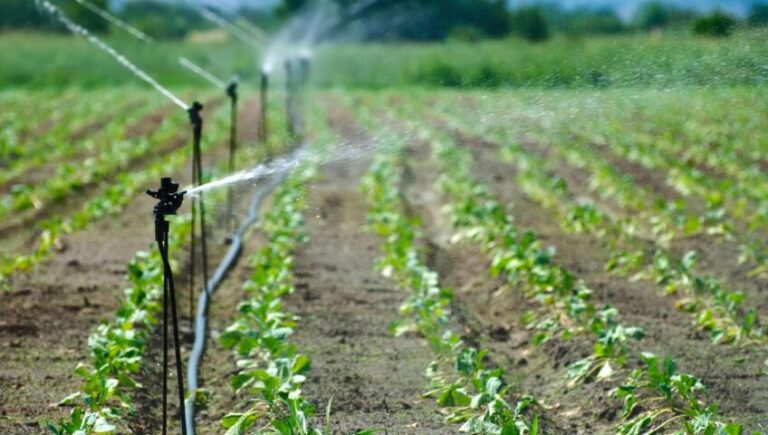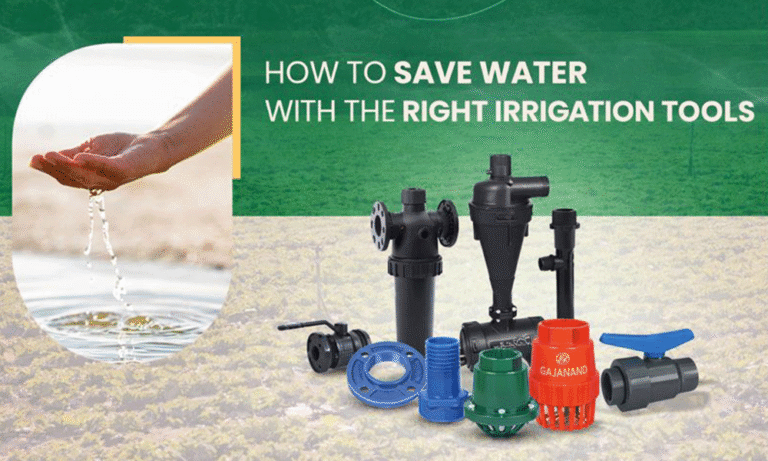
In modern agriculture, landscaping, and home gardening, efficient water management and water saving irrigation system has become a decisive factor for productivity, sustainability, and cost control. We rely on proven irrigation tools that balance precision with practicality. Among these, the watering can, drip watering system, and water saving irrigation system stand out as essential solutions for low water usage irrigation system We present a comprehensive, authoritative guide that delivers practical knowledge, technical depth, and actionable insights for professionals and growers alike water saving irrigation system
Table of Contents
ToggleUnderstanding the Role of Smart Watering Solutions
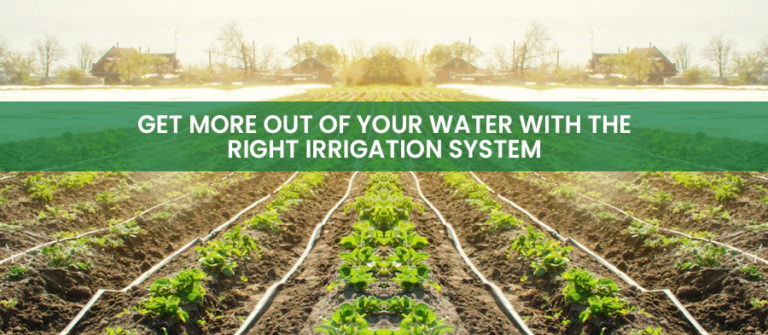
Water is a limited resource, and optimized irrigation is no longer optional. We focus on water saving irrigation systemthat reduce wastage, improve plant health, and ensure uniform moisture distribution. From small home gardens to large-scale agricultural fields, targeted irrigation methods significantly improve yield quality and operational efficiency.
Watering Can: Precision Control for Small-Scale Irrigation
The watering can remains a fundamental tool for gardeners who require direct control over water application. Its simplicity masks its importance in nurseries, balconies, kitchen gardens, and controlled plant environments.
Key Advantages of Using a Watering Can
- Direct water placement at the root zone
- Reduced soil erosion when fitted with a rose nozzle
- Ideal for seedlings, potted plants, and delicate crops
- Enables manual fertilization and nutrient mixing
Material and Design Considerations
Modern watering cans are manufactured using high-density plastic, galvanized steel, or stainless steel, each offering durability and resistance to corrosion. Ergonomic handles, balanced spouts, and detachable sprinkler heads enhance usability and minimize operator fatigue.
Best Use Scenarios
- Indoor plants and terrace gardens
- Nursery seed trays
- Controlled watering during early plant growth
- Areas without pressurized water supply
Despite technological advances, the watering can remains indispensable where precision and human judgment are required.
Drip Watering System: The Backbone of Efficient Irrigation
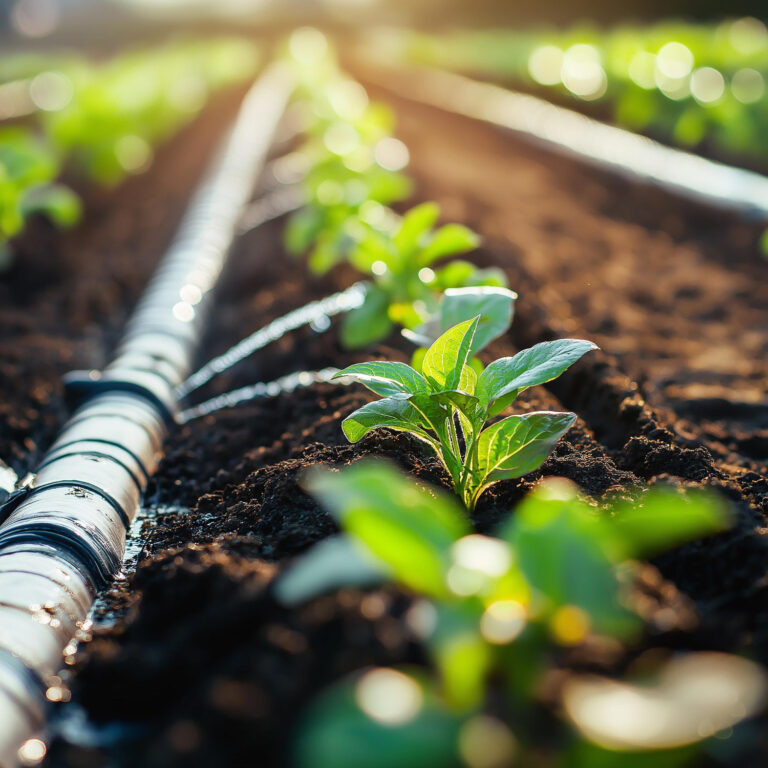
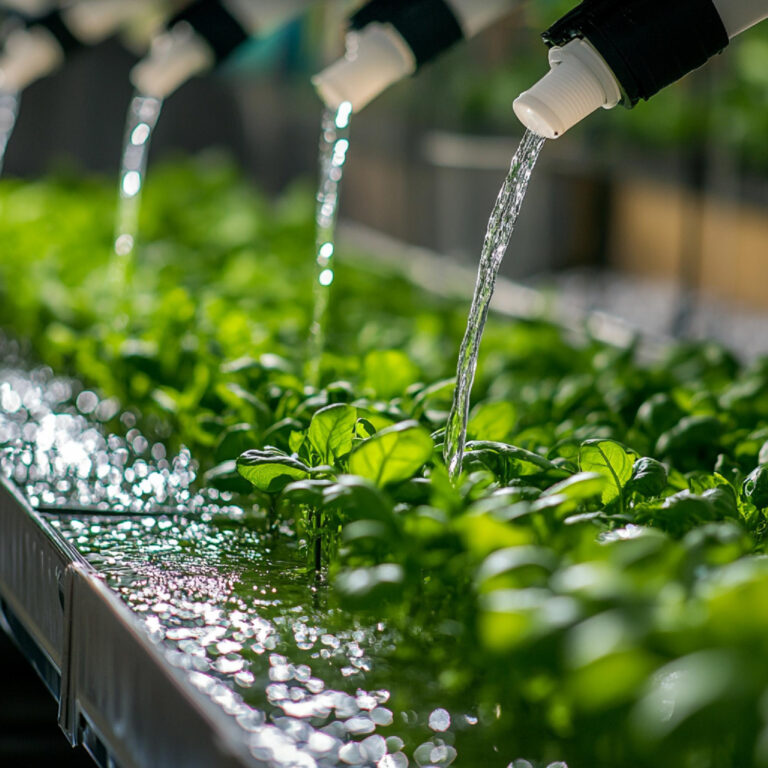
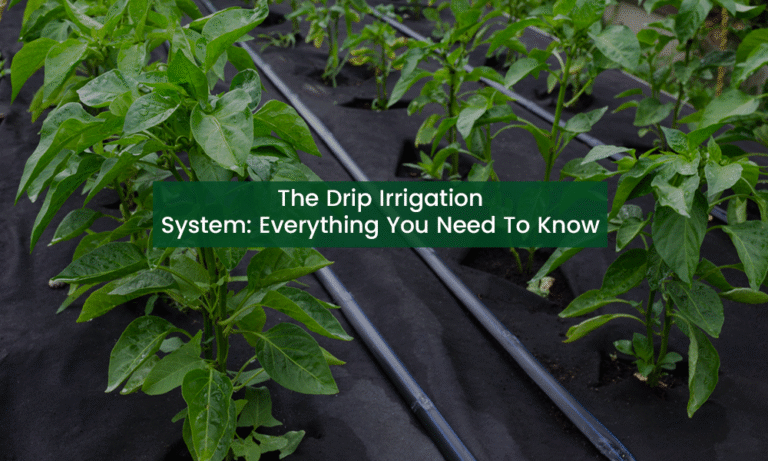
A drip watering system represents one of the most efficient irrigation technologies available today. We implement these systems to deliver water slowly, consistently, and directly to plant roots, ensuring optimal moisture absorption.
Core Components of a Drip Watering System
- Mainline and sub-main pipes
- Lateral drip lines
- Pressure regulators
- Filters to prevent clogging
- Irrigation drippers for precise discharge
Each component plays a critical role in maintaining uniform flow and system longevity.
Benefits of Drip Watering Systems
- Up to 60% water savings compared to flood irrigation
- Improved crop yield and quality
- Reduced weed growth due to localized watering
- Lower fertilizer loss through fertigation compatibility
- Minimal evaporation and runoff
These systems are widely adopted in agriculture, horticulture, greenhouses, orchards, and landscaping projects.
Irrigation Drippers: Precision at the Root Level
Irrigation drippers are the heart of drip irrigation systems. They regulate water flow, ensuring consistent discharge regardless of pressure variations.
Types of Irrigation Drippers
- Inline drippers integrated into drip pipes
- Online drippers installed externally as required
- Pressure-compensating drippers for uneven terrain
- Adjustable drippers for variable flow control
Each type serves specific crop and field conditions.
Technical Specifications of High-Quality Irrigation Drippers
- Flow rates (1 LPH, 2 LPH, 4 LPH, 8 LPH)
- Anti-clog labyrinth design
- UV-stabilized plastic construction
- Uniform discharge coefficient
- Long operational lifespan
High-quality irrigation drippers maintain consistent performance even under fluctuating water pressure and varying water quality.
Comparing Watering Can vs Drip Watering System
| Feature | Watering Can | Drip Watering System |
|---|---|---|
| Water Efficiency | Moderate | Very High |
| Automation | Manual | Fully Automated |
| Scale | Small | Small to Large |
| Labor Requirement | High | Low |
| Initial Cost | Low | Moderate |
| Precision | Operator Dependent | System Controlled |
We recommend selecting based on scale, crop type, and available infrastructure.
Applications Across Different Sectors
Agricultural Fields
Drip watering systems with irrigation drippers are widely used for vegetables, fruits, cotton, sugarcane, and floriculture.
Home Gardening
A combination of watering cans and micro drip systems ensures flexibility and ease of maintenance.
Greenhouses
Precision drippers provide uniform moisture control, essential for sensitive crops and high-value plants.
Landscaping and Lawns
Low-flow drippers reduce water wastage while maintaining plant aesthetics.
Installation and Maintenance Best Practices
- Proper filtration to prevent emitter blockage
- Correct pressure regulation
- Regular flushing of lines
- Periodic inspection of irrigation drippers
Routine maintenance extends system life and ensures consistent performance.
Sustainability and Water Conservation
Using drip watering systems and irrigation drippers aligns with sustainable farming practices. Reduced water consumption lowers energy usage for pumping and contributes to long-term environmental conservation.
Choosing the Right Irrigation Solution
- Crop water requirement
- Soil type and permeability
- Water source quality
- Field layout and slope
- Budget and scalability
A well-designed system delivers maximum return on investment while protecting natural resources.
Future of Irrigation Technology
Advancements such as smart controllers, IoT-enabled drip systems, and automated fertigation units are shaping the future. Irrigation drippers continue to evolve with improved clog resistance and precision engineering.
Conclusion
We recognize that effective irrigation is the foundation of healthy plant growth and profitable agriculture. Whether using a watering can for precision care, a drip watering system for efficiency, or irrigation drippers for controlled water delivery, the right solution ensures sustainability and productivity. By adopting modern irrigation practices, we secure long-term benefits for growers, landscapes, and the environment.