Watering System: Everything You Need to Know
Watering System: Everything You Need to Know
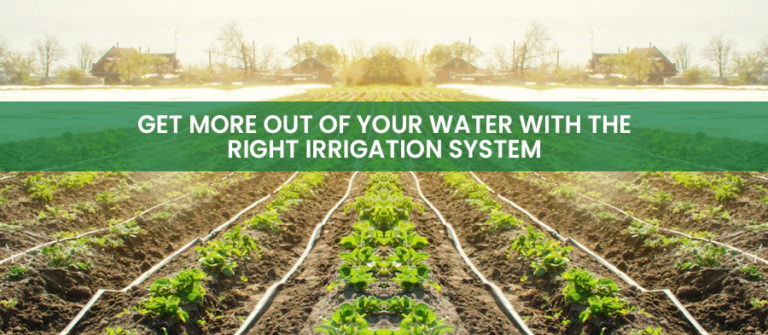
A watering system is the backbone of efficient water management for agriculture, landscaping, gardens, and modern urban green spaces. We recognize that water is a limited resource, and its intelligent distribution directly influences plant health, soil quality, crop yield, and long-term sustainability. By implementing a well-designed watering system, we ensure optimal hydration, reduced wastage, and consistent growth outcomes across diverse environments.
In this comprehensive guide, we present an in-depth exploration of watering systems, covering their types, components, applications, installation considerations, maintenance practices, and future innovations. This article is structured to deliver precise, actionable, and authoritative insights for professionals, homeowners, and agricultural planners alike.
Understanding a Watering System
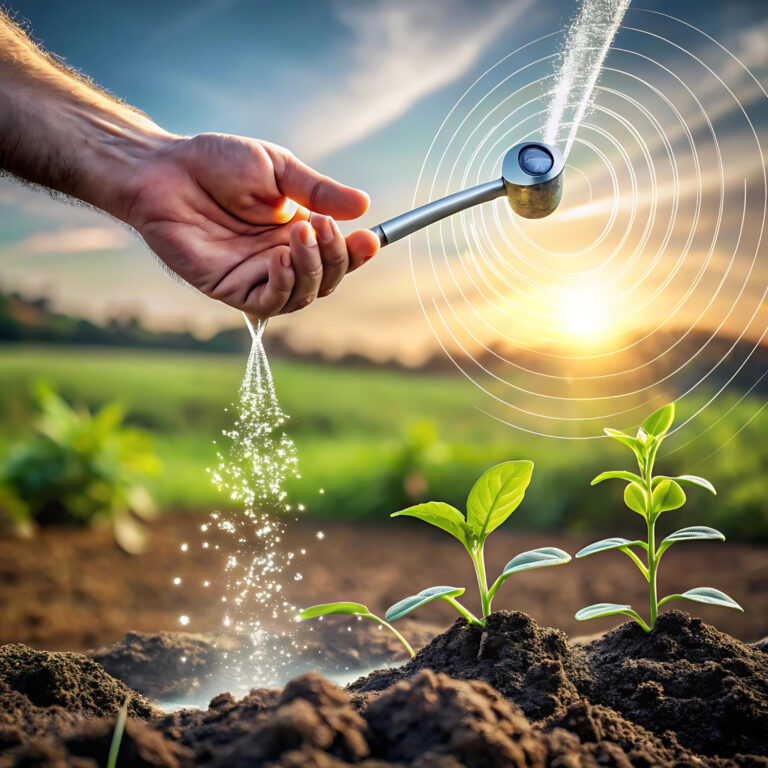
A watering system refers to a structured method of delivering water to plants, soil, or crops in controlled quantities and at planned intervals. Unlike manual watering, automated and semi-automated systems provide accuracy, uniformity, and efficiency. We utilize watering systems to maintain soil moisture levels, support root development, and prevent under- or over-watering.
Watering systems are widely used in farms, greenhouses, residential lawns, commercial landscapes, nurseries, and sports fields, making them an essential infrastructure for modern water management.
Types of Watering Systems
Drip Irrigation System
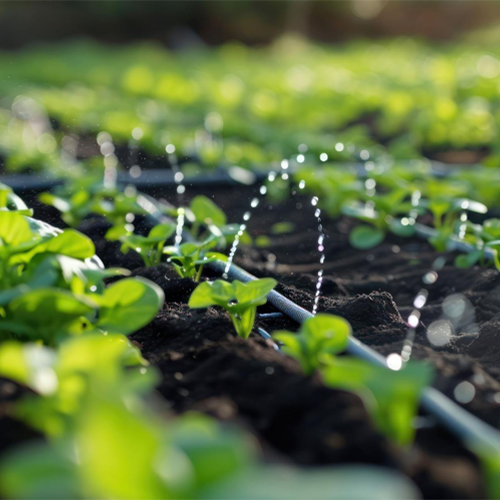
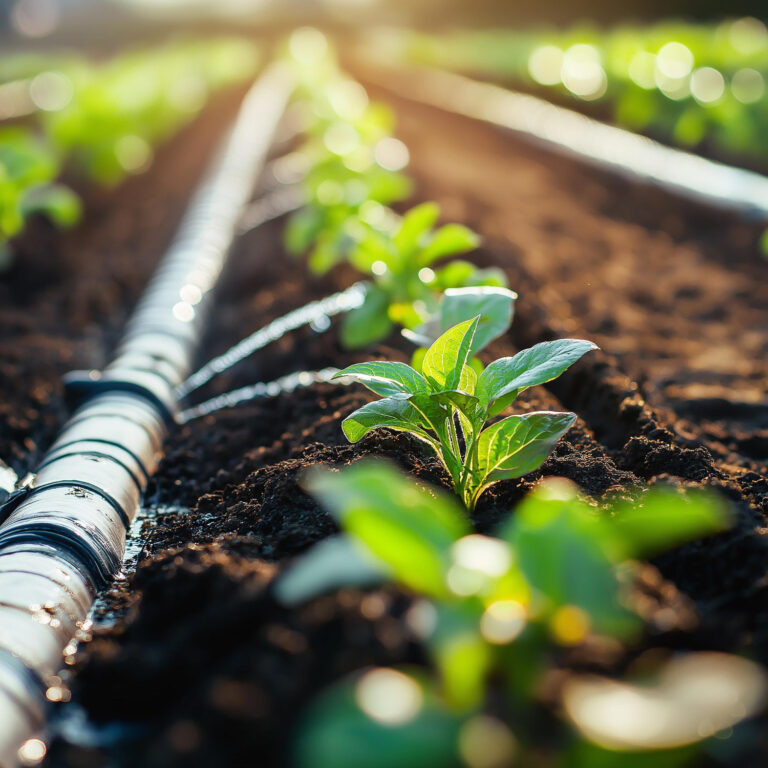
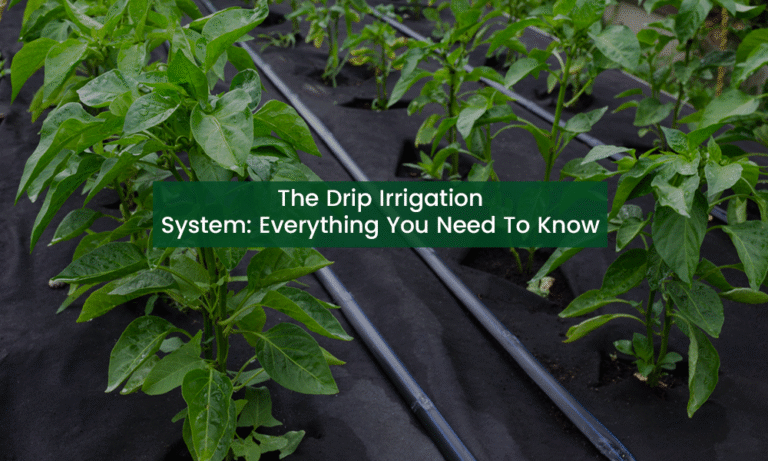
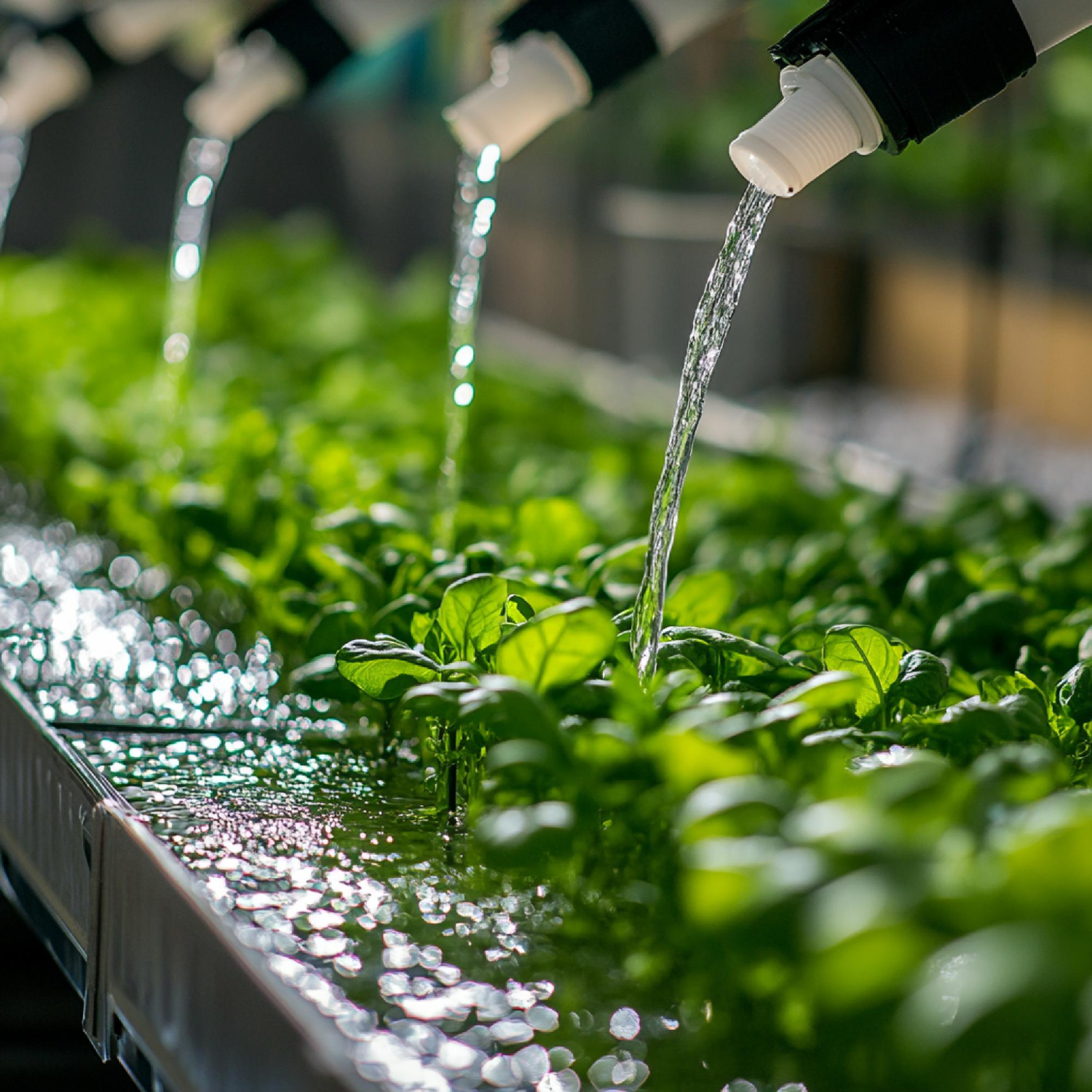
A drip irrigation system delivers water directly to the plant root zone through emitters, pipes, and tubing. We consider this system one of the most efficient watering solutions available today.
- Direct root-level watering
- Minimal evaporation loss
- Suitable for row crops, orchards, and gardens
- Consistent moisture distribution
Drip systems are ideal for water-scarce regions and precision agriculture, where water conservation is critical.
Sprinkler Watering System
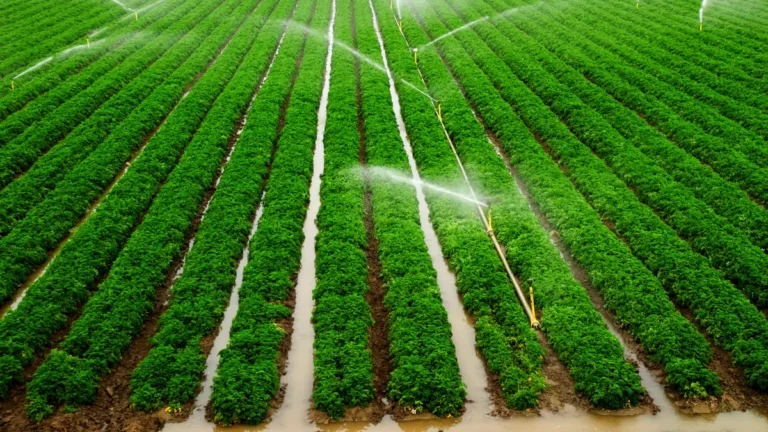
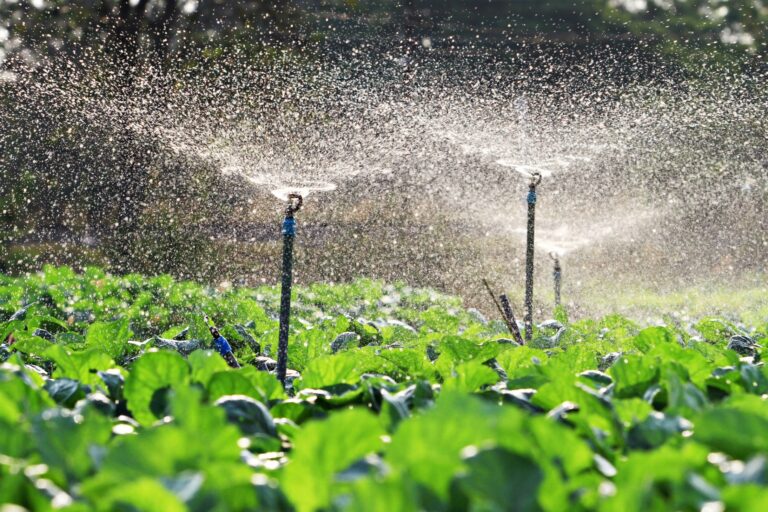
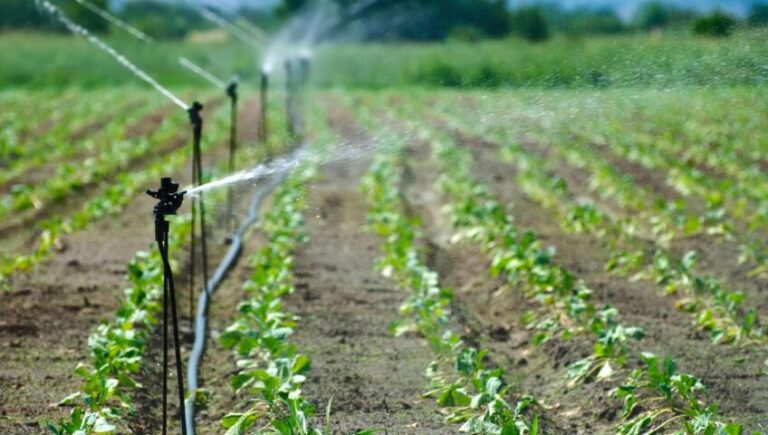
A sprinkler watering system distributes water through pressurized pipes and sprays it over an area, simulating natural rainfall.
- Wide coverage area
- Suitable for lawns, parks, and sports grounds
- Adjustable spray patterns and pressure
- Compatible with automation timers
We commonly deploy sprinkler systems for uniform surface irrigation and visually appealing landscapes.
Surface Irrigation System
A surface irrigation system allows water to flow naturally over the soil surface using gravity.
- Simple and low-cost
- Common in traditional farming
- Requires level land preparation
- Higher water consumption compared to modern systems
This method remains relevant where resources are limited and land conditions are favorable.
Subsurface Watering System
A subsurface watering system delivers water below the soil surface, directly to the root zone.
- Reduced evaporation
- Improved root absorption
- Long-term efficiency
- Ideal for permanent crops and turf areas
We recommend subsurface systems for high-value crops and professional landscaping projects.
Core Components of a Watering System
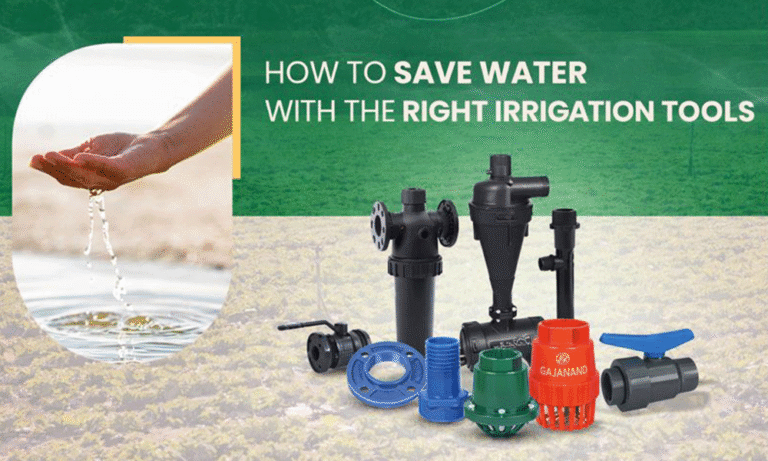
- Water Source: Borewell, tank, reservoir, or municipal supply
- Pump Unit: Ensures consistent water pressure and flow
- Pipes and Tubing: Transport water efficiently
- Valves: Control water direction and volume
- Filters: Prevent clogging and debris accumulation
- Emitters or Sprinklers: Deliver water to the soil or plants
- Controllers and Timers: Automate watering schedules
We emphasize selecting high-quality components to ensure durability and uninterrupted performance.
Benefits of an Efficient Watering System
Optimized Water Usage
A structured watering system ensures that water is applied only where and when it is needed. We achieve substantial water savings compared to manual methods.
Improved Plant Health
Consistent moisture levels promote stronger roots, healthier foliage, and uniform growth across crops and landscapes.
Reduced Labor and Time
Automated systems minimize manual intervention, allowing efficient management of large areas with minimal effort.
Enhanced Soil Quality
Controlled watering prevents soil erosion, nutrient leaching, and compaction, maintaining long-term soil fertility.
Higher Crop Yield
Precision watering directly impacts productivity, leading to improved yields and better-quality produce.
Applications of Watering Systems
Agricultural Use
- Field crops
- Orchards and vineyards
- Greenhouse cultivation
- Precision farming practices
Residential Landscaping
- Lawns and gardens
- Flower beds
- Rooftop gardens
- Kitchen gardens
Commercial and Public Spaces
- Parks and recreational areas
- Golf courses
- Institutional campuses
- Roadside greenery
Designing the Right Watering System
- Soil Type: Determines water absorption and retention
- Plant Requirements: Different plants require varying moisture levels
- Climate Conditions: Temperature, rainfall, and humidity influence scheduling
- Water Availability: Source capacity and pressure
- Area Size and Layout: Affects system configuration
Installation Best Practices
- Accurate site assessment and layout planning
- Correct pipe sizing and alignment
- Secure installation of emitters and sprinklers
- Pressure testing before operation
- Calibration of timers and controllers
Maintenance and System Longevity
- Cleaning filters and emitters
- Inspecting pipes for leaks or blockages
- Adjusting watering schedules seasonally
- Monitoring pressure levels
- Replacing worn components promptly
Smart and Automated Watering Systems
- Weather-based controllers
- Soil moisture sensors
- Mobile app monitoring
- Automated shut-off mechanisms
Future Trends in Watering Systems
- AI-driven irrigation scheduling
- IoT-enabled monitoring
- Solar-powered pumping systems
- Advanced filtration technologies
Conclusion
A well-planned watering system is an investment in productivity, sustainability, and long-term resource management. By selecting the right system type, ensuring quality installation, and maintaining it diligently, we achieve consistent results across agricultural, residential, and commercial applications. Modern watering systems not only optimize water usage but also support healthier plants, improved yields, and environmentally responsible practices.