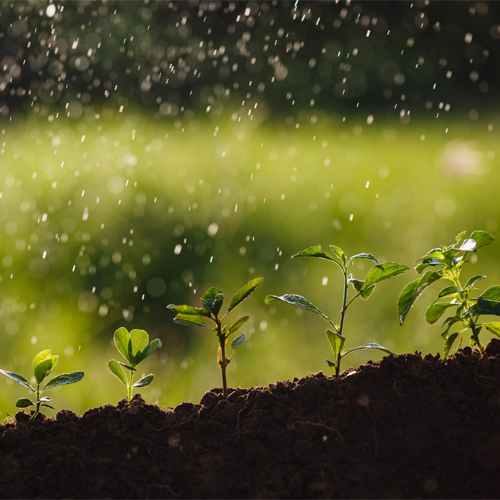
Water is one of the most valuable resources in agriculture. As the global population continues to grow and climate conditions become increasingly unpredictable, farmers face the challenge of producing more food while conserving water. Sustainable agriculture focuses on maximizing productivity while minimizing environmental impact, and efficient irrigation plays a crucial role in achieving this balance.
Choosing the right irrigation method can significantly improve crop yields, reduce water waste, lower operational costs, and promote long-term soil health. In this article, we explore the best irrigation methods for sustainable agriculture and how they contribute to efficient water management.
Why Sustainable Irrigation Matters
Agriculture accounts for a large portion of global freshwater consumption. Traditional irrigation methods often result in excessive water loss through evaporation, runoff, and inefficient distribution. Sustainable irrigation aims to deliver the right amount of water to crops at the right time while minimizing waste.
Benefits of sustainable irrigation include:
- Improved water conservation
- Enhanced crop productivity
- Reduced soil erosion
- Lower energy consumption
- Better nutrient management
- Increased resilience to drought conditions
- Long-term environmental sustainability
By implementing efficient irrigation systems, farmers can ensure optimal crop growth while protecting natural resources for future generations.
1. Drip Irrigation
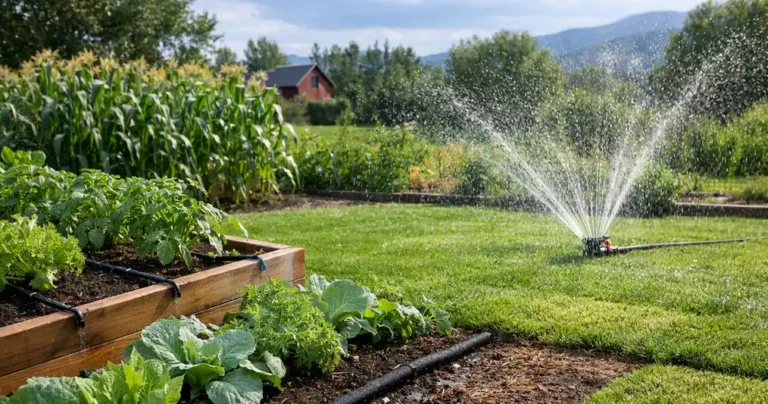
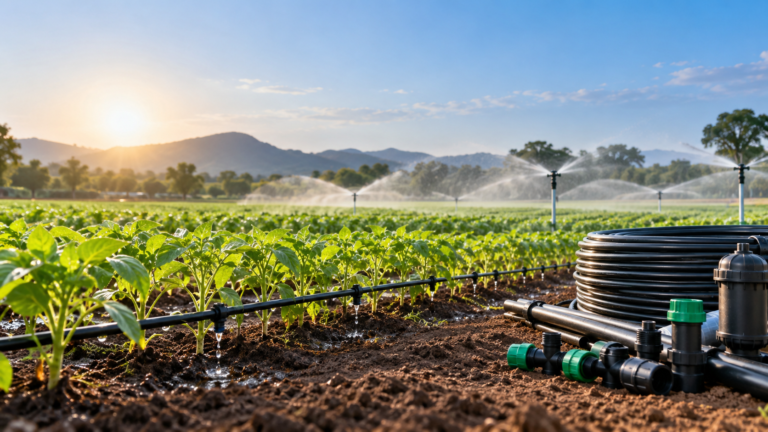
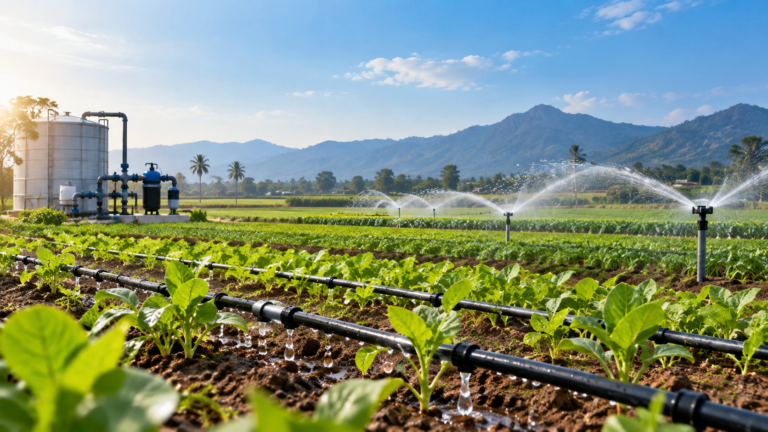
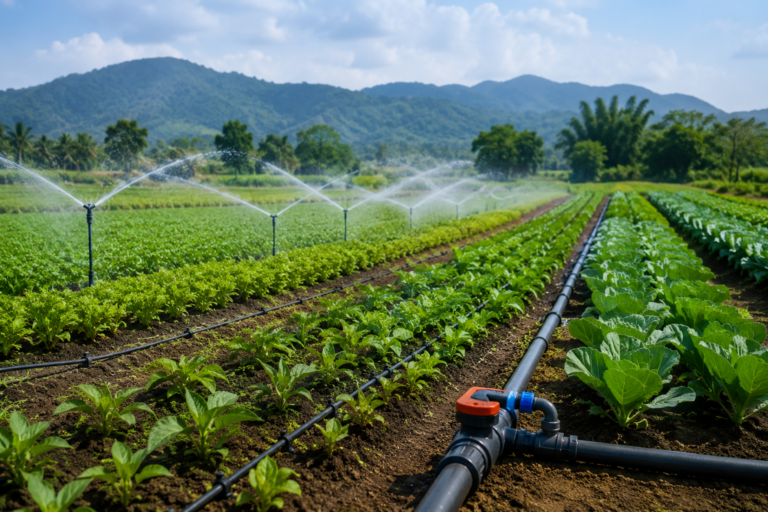
Drip irrigation is widely regarded as one of the most efficient irrigation methods available today. This system delivers water directly to the root zone of plants through a network of pipes, tubing, emitters, and valves.
Benefits of Drip Irrigation
- Minimizes water loss due to evaporation
- Reduces weed growth by watering only targeted areas
- Improves nutrient absorption when combined with fertigation
- Prevents soil erosion
- Suitable for various crops including fruits, vegetables, and plantations
Since water is applied slowly and directly to the roots, plants receive consistent moisture without excessive runoff. This method can save up to 50% more water compared to traditional irrigation techniques.
Best Applications
- Vegetable farming
- Orchards
- Vineyards
- Greenhouses
- Row crops
Drip irrigation is particularly beneficial in regions facing water scarcity, making it a preferred solution for sustainable farming.
2. Sprinkler Irrigation
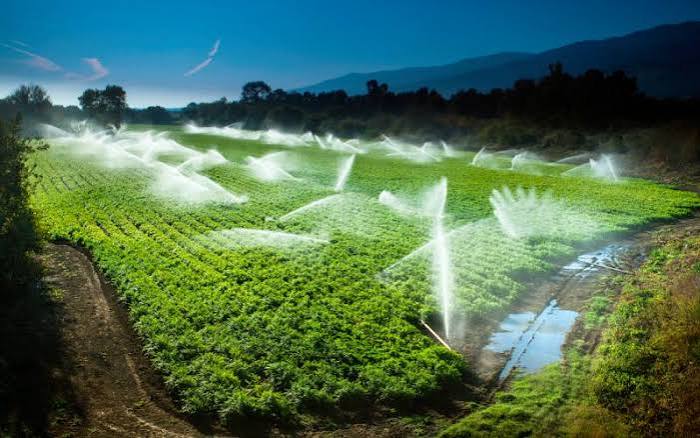
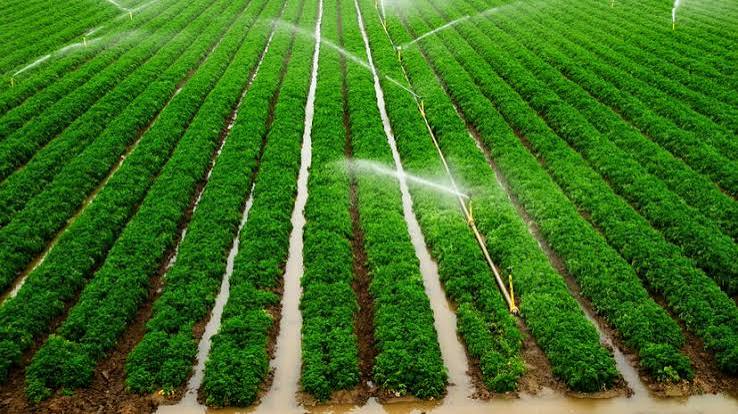
Sprinkler irrigation distributes water through a system of pipes and sprinklers that simulate natural rainfall. It is suitable for a wide range of crops and field sizes.
Benefits of Sprinkler Irrigation
- Uniform water distribution
- Adaptable to different soil types
- Suitable for uneven terrain
- Reduces labor requirements
- Can be automated for greater efficiency
Modern sprinkler systems incorporate advanced technology such as pressure regulation and smart controllers to optimize water use.
Best Applications
- Field crops
- Lawns and landscapes
- Pasture lands
- Vegetable farms
When properly designed and maintained, sprinkler systems provide effective irrigation while minimizing water waste.
3. Center Pivot Irrigation
Center pivot irrigation is a mechanized sprinkler system that rotates around a central pivot point, irrigating large circular areas. This method is commonly used in large-scale farming operations.
Benefits of Center Pivot Irrigation
- High efficiency in large fields
- Automated operation
- Consistent water application
- Reduced labor costs
- Compatible with precision agriculture technologies
Many modern center pivot systems include GPS guidance and moisture sensors that help farmers optimize water usage.
Best Applications
- Corn cultivation
- Wheat farming
- Soybean production
- Large commercial farms
This irrigation method is ideal for maximizing productivity in extensive agricultural operations.
4. Subsurface Irrigation
Subsurface irrigation involves delivering water below the soil surface directly to the plant root zone. Specialized tubing is buried underground to distribute water efficiently.
Benefits of Subsurface Irrigation
- Minimal evaporation losses
- Improved water-use efficiency
- Reduced weed growth
- Better soil moisture management
- Lower risk of plant diseases
Because water remains beneath the surface, this method significantly reduces losses caused by heat and wind.
Best Applications
- High-value crops
- Greenhouses
- Fruit orchards
- Water-scarce regions
Subsurface irrigation offers exceptional efficiency and supports sustainable farming practices.
5. Surface Irrigation with Improved Management
Surface irrigation is one of the oldest irrigation methods and includes techniques such as furrow, basin, and border irrigation. Although traditional surface irrigation can be inefficient, modern management practices can greatly improve its sustainability.
Benefits of Improved Surface Irrigation
- Lower installation costs
- Simple operation
- Suitable for large areas
- Reduced energy requirements
Farmers can enhance efficiency through proper land leveling, controlled water flow, and scheduling based on crop needs.
Best Applications
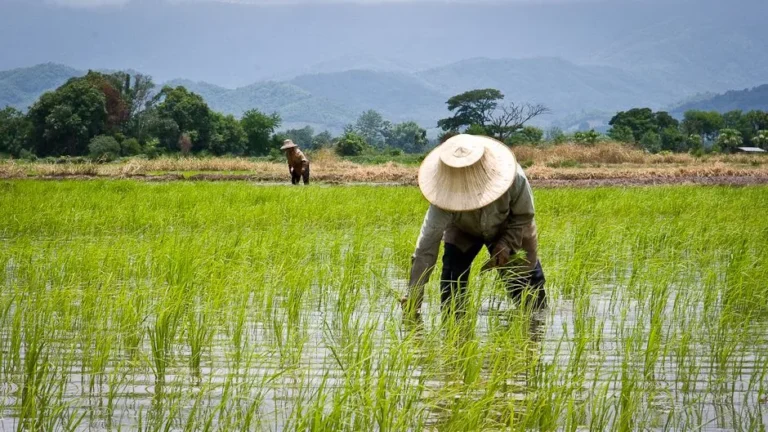
- Rice cultivation
- Large agricultural fields
- Areas with abundant water supplies
With careful management, surface irrigation can remain a practical and sustainable option.
The Role of Smart Irrigation Technology
Modern agriculture increasingly relies on technology to improve irrigation efficiency. Smart irrigation systems use sensors, weather data, automation, and analytics to optimize water application.
Key Technologies Include
Soil Moisture Sensors
These sensors monitor moisture levels in the root zone and help determine when irrigation is needed.
Weather-Based Controllers
Irrigation schedules are automatically adjusted according to weather conditions, reducing unnecessary watering.
Remote Monitoring Systems
Farmers can monitor and control irrigation systems through smartphones and computers.
Automated Valves and Controllers
Automation ensures accurate water delivery while reducing labor requirements.
By integrating these technologies, farmers can significantly improve water efficiency and sustainability.
Factors to Consider When Choosing an Irrigation Method
Selecting the best irrigation system depends on several factors:
Crop Type
Different crops have unique water requirements. High-value crops often benefit from drip or subsurface irrigation.
Soil Characteristics
Soil texture affects water infiltration and retention. Understanding soil conditions helps determine the most suitable irrigation method.
Water Availability
Regions with limited water resources should prioritize highly efficient systems such as drip irrigation.
Farm Size
Large farms may benefit from center pivot systems, while smaller farms can effectively utilize drip or sprinkler irrigation.
Budget
Installation and maintenance costs vary between irrigation systems. Farmers should evaluate both short-term expenses and long-term benefits.
Climate Conditions
Temperature, rainfall patterns, and wind conditions influence irrigation performance and water requirements.
Environmental Benefits of Sustainable Irrigation
Efficient irrigation systems contribute to environmental protection by:
- Conserving freshwater resources
- Reducing groundwater depletion
- Preventing soil degradation
- Minimizing nutrient runoff
- Supporting biodiversity
- Lowering carbon emissions through reduced energy consumption
Sustainable irrigation practices help create a balance between agricultural productivity and environmental stewardship.
Conclusion
Sustainable agriculture depends heavily on efficient water management, and choosing the right irrigation method is essential for long-term success. Drip irrigation, sprinkler systems, center pivot irrigation, subsurface irrigation, and improved surface irrigation each offer unique advantages depending on farm conditions and crop requirements.
As water resources become increasingly valuable, investing in modern irrigation technologies can help farmers maximize yields, reduce costs, and protect the environment. By adopting sustainable irrigation practices, agricultural producers can ensure greater productivity today while preserving resources for future generations.
The future of farming lies in smart, efficient, and sustainable irrigation systems that support both food security and environmental sustainability.