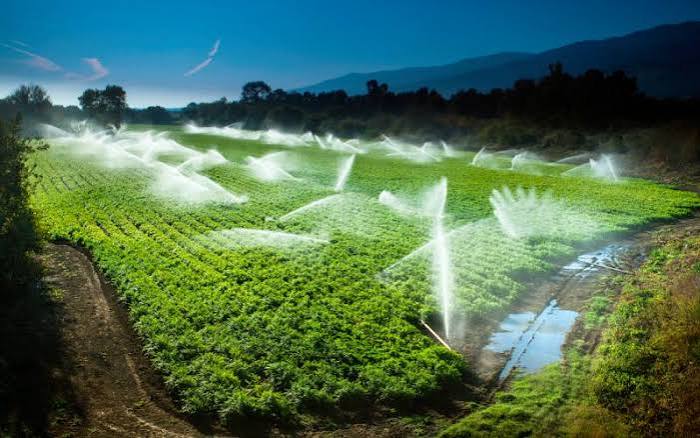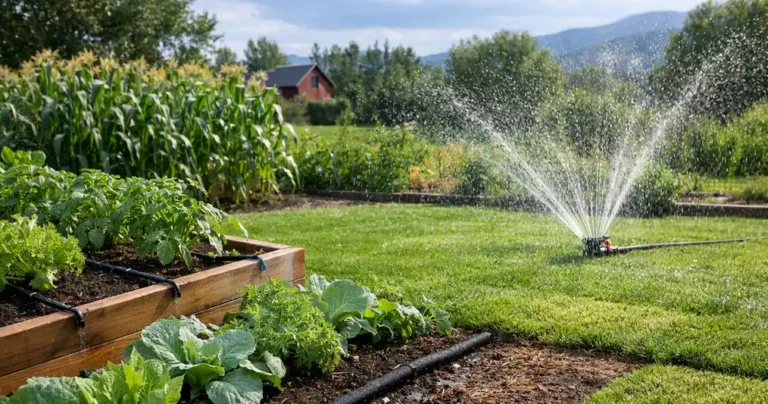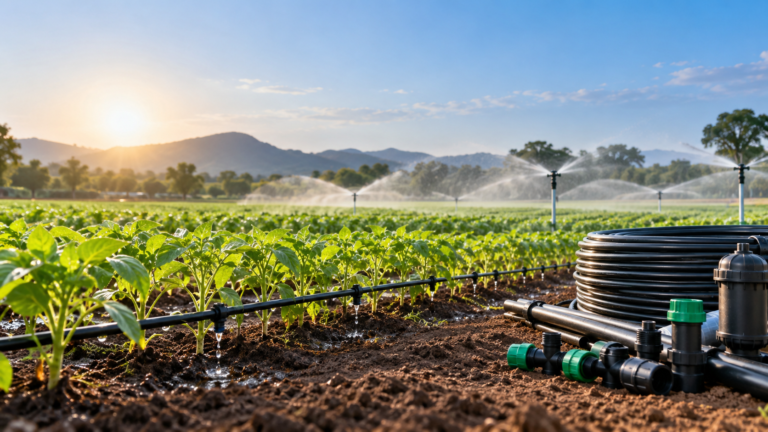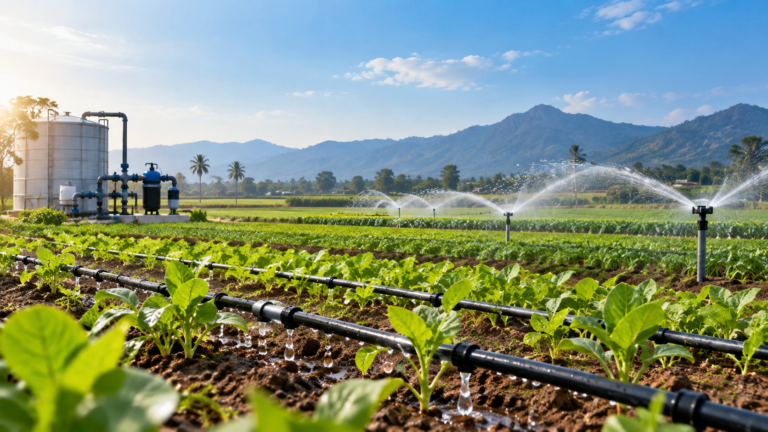
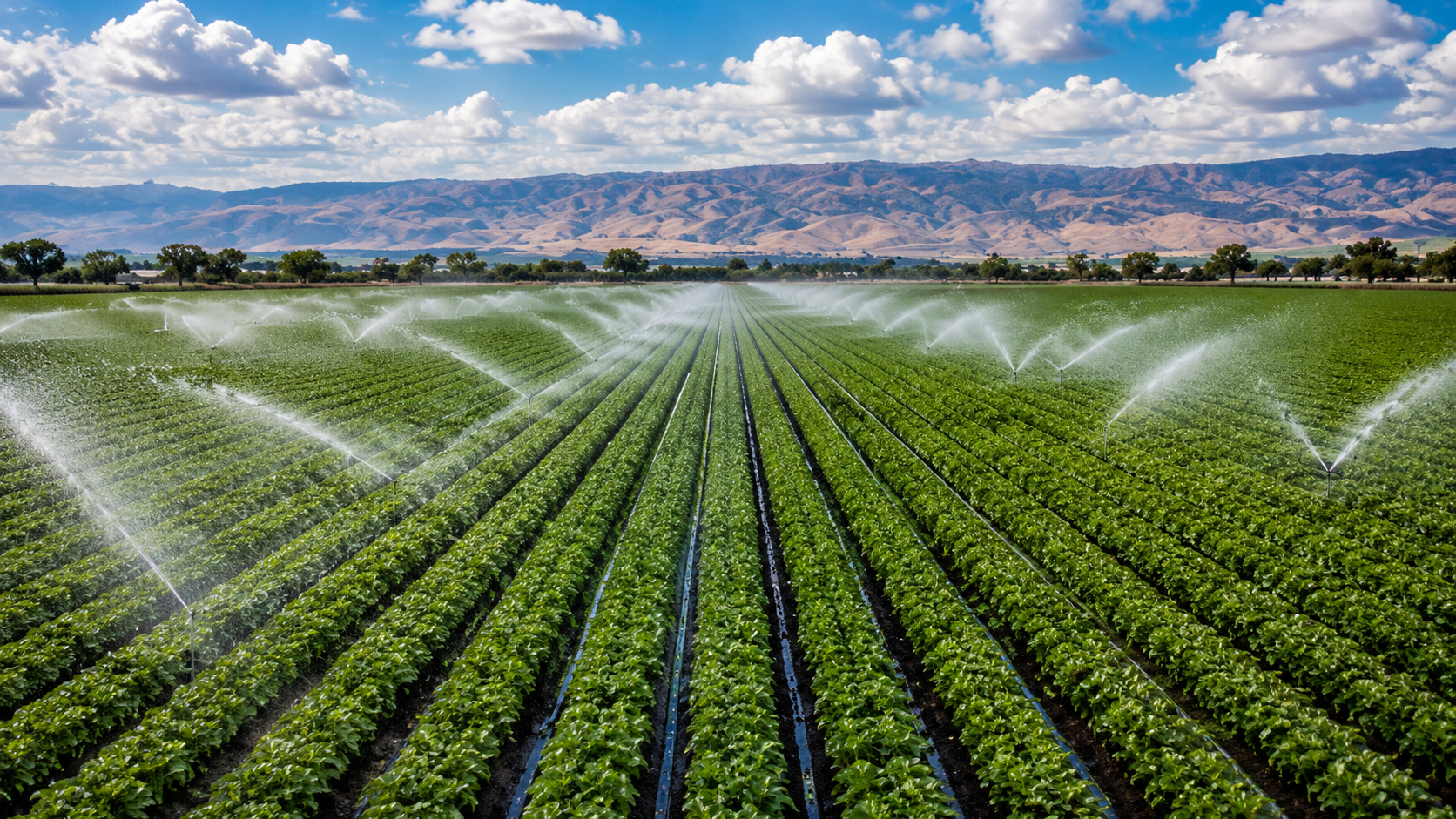
Water is one of the most valuable resources in agriculture. As climate change, irregular rainfall, and rising farming costs continue to challenge farmers, adopting Modern Irrigation Systems has become essential for sustainable agriculture. Unlike traditional flood irrigation, modern irrigation technologies ensure that crops receive the right amount of water at the right time, reducing wastage while improving productivity.
Today, farmers across India and around the world are switching to Water Saving Irrigation methods such as drip irrigation, sprinkler irrigation, and smart automated systems. These advanced Agricultural Irrigation solutions not only conserve water but also significantly Increase Crop Yield by maintaining optimal soil moisture and delivering nutrients more efficiently.
In this article, we’ll explore ten proven ways modern irrigation systems help farmers maximize profits while protecting valuable water resources.
1. Delivers Water Precisely Where Crops Need It
One of the biggest advantages of Modern Irrigation Systems is precise water delivery. Traditional irrigation often floods the entire field, leading to runoff, evaporation, and uneven watering.
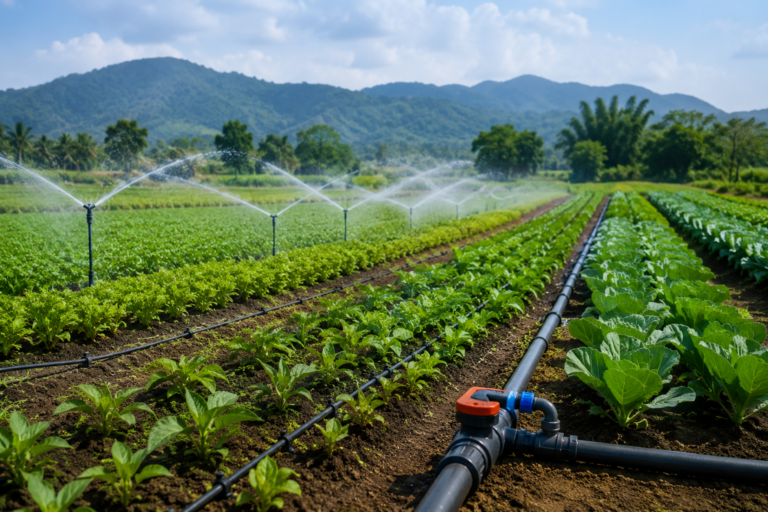
Modern systems such as drip irrigation deliver water directly to the plant’s root zone. This targeted approach ensures that every plant receives adequate moisture without wasting water.
Benefits
- Minimizes water loss
- Promotes healthier root development
- Improves nutrient absorption
- Reduces weed growth
Precise irrigation is especially beneficial for vegetables, fruit orchards, vineyards, cotton, and greenhouse farming.
2. Significantly Increases Crop Yield
The primary reason farmers invest in Modern Irrigation Systems is their ability to Increase Crop Yield.
Consistent watering reduces plant stress during critical growth stages such as flowering, fruit formation, and grain filling. Healthy plants produce stronger stems, greener leaves, and larger harvests.
Farmers commonly report:
- Higher fruit quality
- Uniform crop growth
- Better flowering
- Improved harvest consistency
Whether cultivating tomatoes, onions, sugarcane, wheat, or grapes, efficient irrigation contributes directly to higher agricultural productivity.
3. Saves Up to 50% More Water
Water conservation has become one of agriculture’s greatest priorities.
Water Saving Irrigation methods like drip irrigation and micro-sprinklers reduce unnecessary water usage by applying water only where required.
Compared to conventional flood irrigation, modern systems:
- Reduce evaporation losses
- Prevent surface runoff
- Lower seepage losses
- Improve irrigation efficiency
Saving water also means farmers can irrigate larger areas using the same water source.
4. Reduces Labor Costs
Traditional irrigation often requires continuous manual supervision.
Modern Agricultural Irrigation systems automate much of the watering process.
Automation features include:
- Programmable irrigation schedules
- Automatic valves
- Smart irrigation controllers
- Moisture-based irrigation
This reduces labor requirements while allowing farmers to focus on other important farming operations.
5. Improves Fertilizer Efficiency Through Fertigation
Modern irrigation systems support fertigation, which involves delivering fertilizers through irrigation pipelines.
Instead of spreading fertilizer across the field, nutrients are supplied directly to the root zone.
Advantages include:
- Better nutrient absorption
- Reduced fertilizer wastage
- Lower production costs
- Faster crop growth
Fertigation also minimizes nutrient runoff, making farming more environmentally friendly.
6. Reduces Weed Growth
Flood irrigation waters the entire field, including areas where weeds grow.
Modern irrigation methods supply water only to crop roots, leaving surrounding soil relatively dry.
As a result:
- Fewer weeds germinate
- Less herbicide is required
- Crops face less competition for nutrients
- Maintenance costs decrease
Reduced weed pressure contributes to healthier crops and improved yields.
7. Protects Crops from Diseases
Excess moisture often encourages fungal and bacterial diseases.
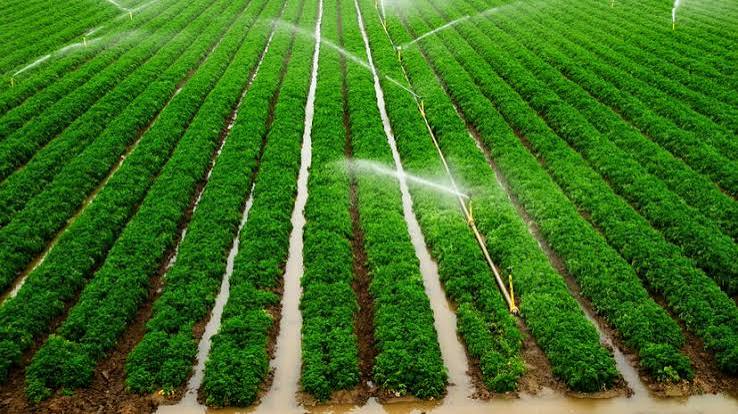
Sprinkler irrigation systems are designed to distribute water evenly, while drip irrigation keeps leaves dry by watering only the root zone.
Benefits include:
- Lower disease incidence
- Healthier foliage
- Reduced pesticide use
- Better crop quality
Maintaining proper moisture levels helps crops remain productive throughout the growing season.
8. Supports Smart Farming Technologies
Today’s Modern Irrigation Systems integrate with advanced agricultural technologies.
Smart irrigation solutions can connect with:
- Soil moisture sensors
- Weather stations
- Mobile applications
- Automated controllers
- IoT devices
Farmers receive real-time information and can control irrigation remotely, ensuring efficient water management even when away from the farm.
9. Suitable for Different Crops and Soil Types
One major benefit of Agricultural Irrigation systems is their versatility.
Modern irrigation solutions are suitable for:
- Wheat
- Cotton
- Sugarcane
- Vegetables
- Fruits
- Flowers
- Greenhouses
- Nurseries
Different irrigation methods are available depending on crop requirements.
Drip Irrigation
Ideal for:
- Tomatoes
- Chilli
- Onion
- Pomegranate
- Mango
- Grapes
Sprinkler Irrigation
Best suited for:
- Wheat
- Groundnut
- Fodder crops
- Lawns
- Tea gardens
Selecting the appropriate irrigation method helps maximize both crop health and water efficiency.
10. Provides Better Return on Investment
Although installing modern irrigation systems requires an initial investment, the long-term financial benefits are substantial.
Farmers experience:
- Lower water bills
- Reduced electricity consumption
- Less labor expense
- Lower fertilizer usage
- Increased crop yield
- Higher-quality produce
- Improved market value
Government subsidies for micro-irrigation systems in many regions further reduce installation costs, making these technologies more accessible to farmers.
Choosing the Right Modern Irrigation System
Selecting the right irrigation system depends on several factors.
Consider:
- Crop type
- Soil condition
- Farm size
- Water availability
- Terrain
- Budget
- Climate
Consulting irrigation professionals can help determine the most efficient system for your farm.
Future of Agricultural Irrigation
The future of farming lies in precision agriculture and intelligent irrigation. Innovations such as AI-powered irrigation scheduling, satellite monitoring, drone-assisted crop analysis, and sensor-based watering are transforming agriculture.
These technologies enable farmers to optimize every drop of water, improve productivity, and reduce environmental impact.
As global water resources become increasingly limited, adopting Water Saving Irrigation methods will play a crucial role in ensuring food security and sustainable farming.
Conclusion
Modern farming requires smarter solutions, and Modern Irrigation Systems have become one of the most effective tools for improving agricultural productivity. By delivering water precisely where crops need it, these systems help Increase Crop Yield, reduce labor costs, improve fertilizer efficiency, and conserve valuable water resources.
Whether you choose drip irrigation, sprinkler irrigation, or a fully automated smart irrigation system, investing in efficient Agricultural Irrigation technology can lead to healthier crops, higher profits, and long-term sustainability.
For farmers looking to stay competitive while conserving natural resources, adopting Water Saving Irrigation is no longer an option—it’s a necessity.