Irrigation systems play an important role in agriculture, horticulture, landscaping, and water management. These systems help distribute water to crops, gardens, and other designated areas according to their specific requirements. However, the performance of an irrigation system depends on more than its design. The quality of its individual components also influences water distribution, installation, maintenance, and long-term reliability.
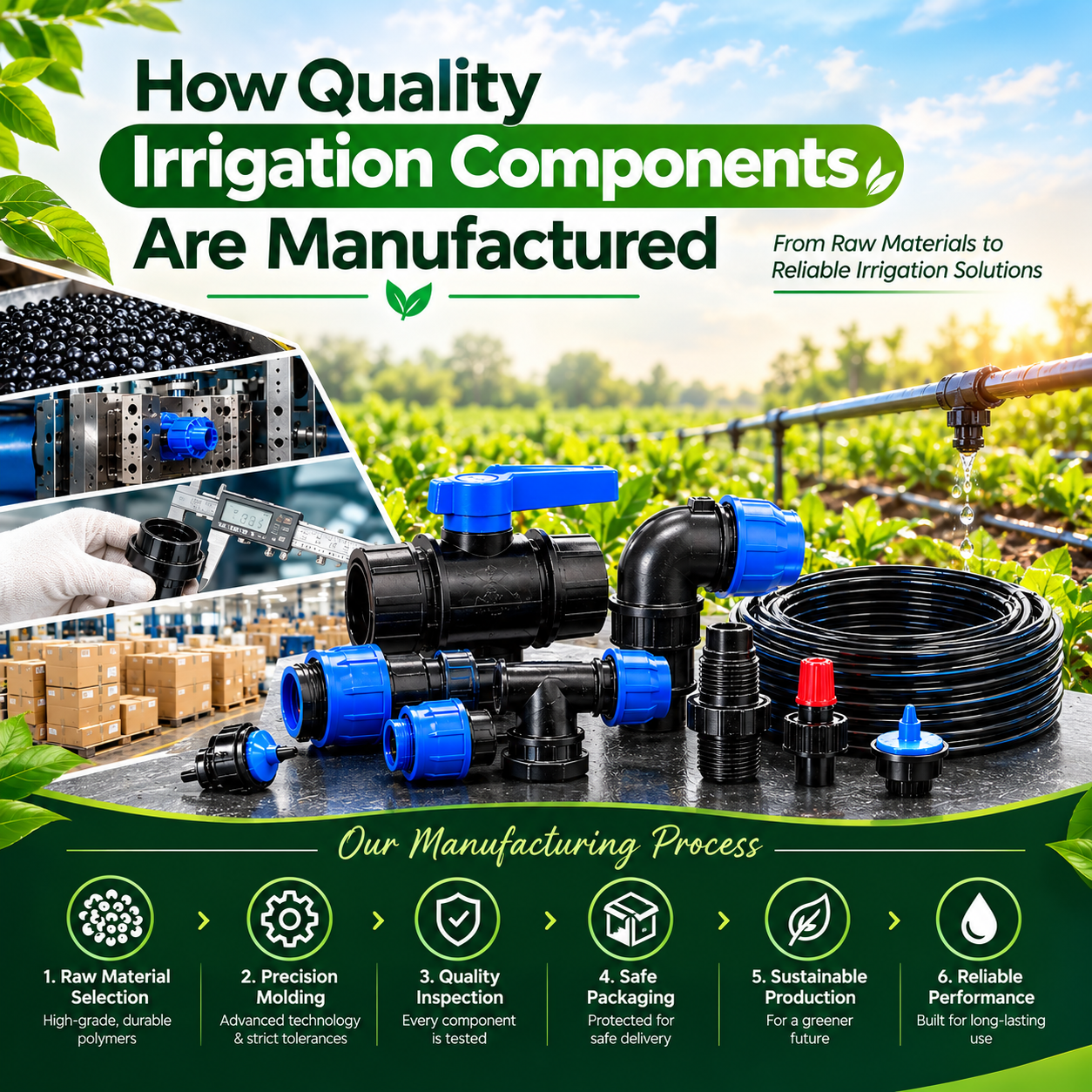
The Irrigation Components Manufacturing Process involves several stages, including material selection, product design, manufacturing, dimensional inspection, quality testing, and packaging. Each stage helps manufacturers produce components that meet defined specifications and suit their intended applications.
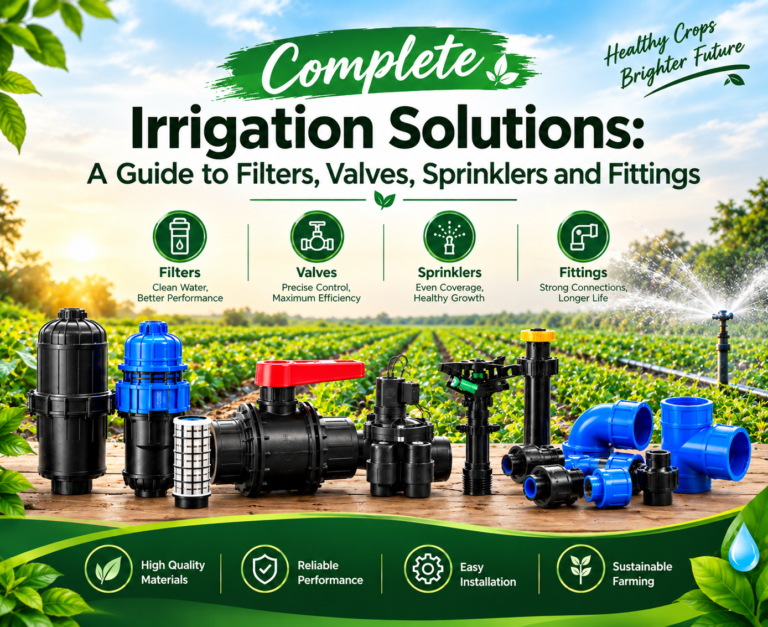
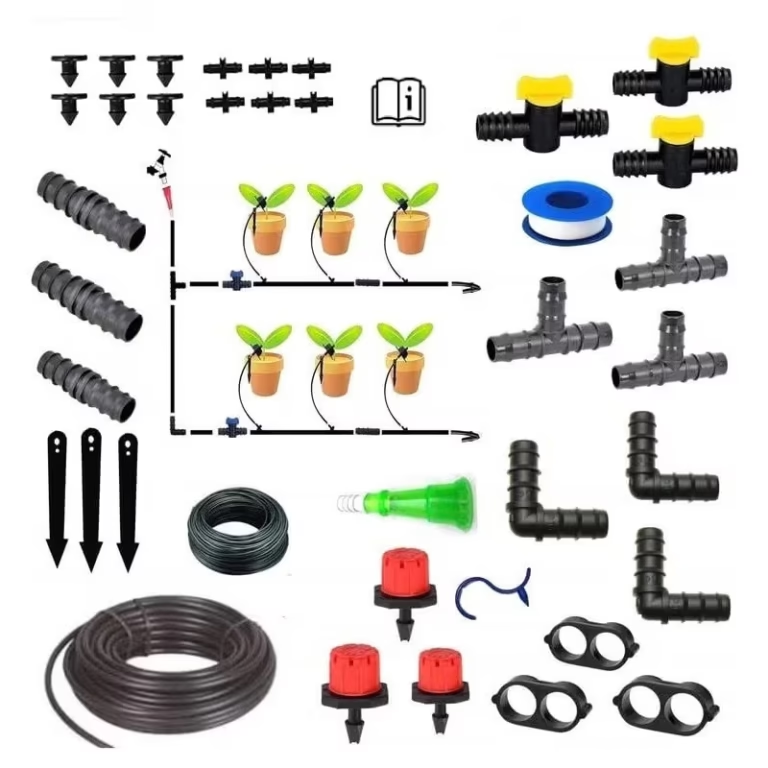
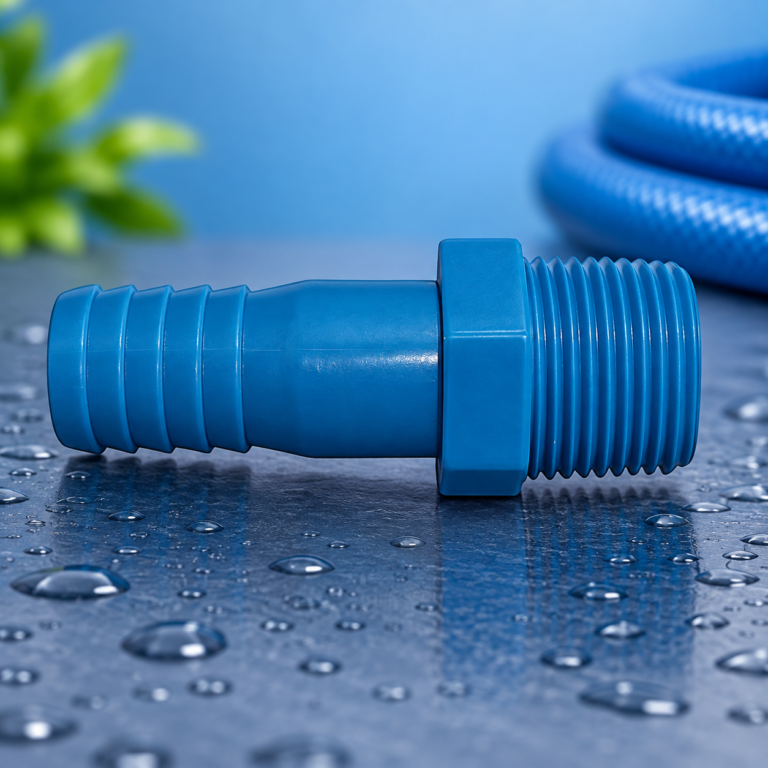
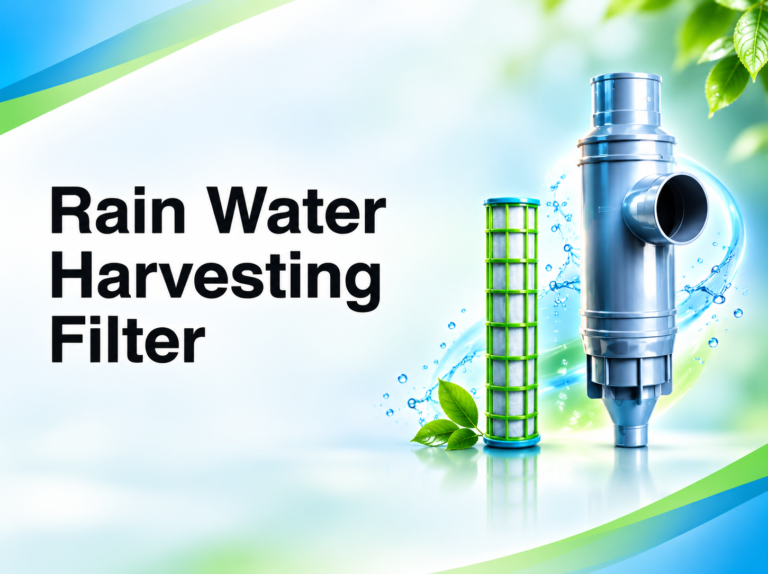
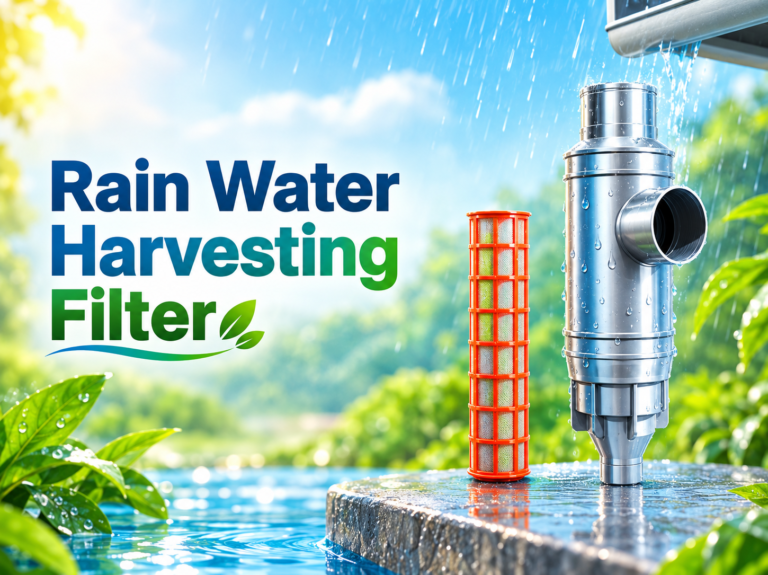
Depending on the manufacturer’s product range, irrigation components may include pipes, fittings, connectors, valves, filters, adapters, and other water distribution accessories. Different products require different manufacturing methods, materials, and inspection procedures.
Understanding how manufacturers produce these components helps buyers, agricultural businesses, distributors, and irrigation contractors make informed purchasing decisions. It also explains why consistent production methods and quality control are important when selecting an irrigation components supplier.
In this guide, we explore the major stages of the irrigation components manufacturing process and explain how manufacturers can maintain product quality from raw materials to finished goods.
1. Understanding Product Requirements and Applications
The manufacturing process begins with a clear understanding of the product’s intended application. Before production starts, manufacturers need to identify the component’s function, operating conditions, dimensions, material requirements, and performance expectations.
For example, a connector may need to fit a specific pipe diameter, while a valve may require particular flow characteristics and pressure ratings. A filter housing may need to accommodate a defined filtration arrangement.
Manufacturers consider several factors during this initial stage:
- Intended irrigation application
- Required dimensions and connection types
- Operating pressure and temperature
- Material properties
- Environmental exposure
- Applicable technical standards
- Expected production quantity
These requirements help establish the product specifications and manufacturing plan.
Clear specifications also help prevent errors during production. When customers require customized components, manufacturers may review technical drawings, samples, or approved designs before confirming production feasibility.
By defining requirements early, manufacturers can select suitable production methods and establish appropriate quality checks for the finished product.
2. Selecting Suitable Raw Materials
Material selection is one of the most important stages in the irrigation components manufacturing process. The material must suit the product’s intended function and the conditions in which it will operate.
Depending on the design, manufacturers may use engineering plastics, rubber, metals, or other suitable materials. Each material has different mechanical, chemical, and environmental properties.
For example, certain plastic materials may provide corrosion resistance and ease of handling. Selected metals may suit components that require particular mechanical strength or dimensional stability. The final choice depends on the component design, water characteristics, pressure requirements, and applicable specifications.
Manufacturers may evaluate the following properties when selecting materials:
- Mechanical strength and durability
- Resistance to corrosion or chemical exposure
- Dimensional stability
- Temperature suitability
- Resistance to environmental conditions
- Compatibility with the intended application
Raw material inspection may include checking supplier documentation, material identification, dimensions, and other specified characteristics.
Using suitable materials helps manufacturers produce components that meet design requirements. However, material selection alone does not guarantee performance; manufacturing quality, installation, and operating conditions also matter.
3. Product Design and Engineering
After establishing the requirements and selecting suitable materials, manufacturers develop or review the product design.
Product design defines the component’s dimensions, shape, connections, functional features, and manufacturing requirements. Depending on the complexity of the component, the design process may involve engineering drawings, computer-aided design (CAD), prototypes, or sample evaluations.
For irrigation fittings, manufacturers may need to confirm connection dimensions and tolerances. Valve designs may require attention to sealing surfaces, moving parts, and flow paths. Components used in filtration systems may need specific housing dimensions and connection arrangements.
During this stage, engineers assess whether the design can meet the intended requirements and whether the selected manufacturing method can produce it consistently.
For customized components, customers and manufacturers should agree on the final drawings, material specifications, inspection criteria, and approval requirements before production begins.
A well-defined design helps reduce production errors, supports repeatability, and makes it easier to verify the finished component against the original specifications.
4. Choosing the Appropriate Manufacturing Method
Different irrigation components require different production methods. Manufacturers select the process according to the product’s geometry, material, required precision, production volume, and performance requirements.
Common manufacturing methods may include the following.
Injection Moulding
Injection moulding is commonly used to produce suitable plastic components. The process involves heating a compatible plastic material, injecting it into a mould, and allowing it to cool into the required shape.
Manufacturers use this method for certain fittings, connectors, housings, and other mouldable parts.
Production quality depends on factors such as material selection, mould design, temperature, pressure, cooling time, and process control.
Extrusion
Extrusion is used to manufacture products with a continuous cross-section, including many types of plastic pipes and tubing.
The material passes through a shaped die to create the required profile. Manufacturers control process conditions and product dimensions to meet the specified requirements.
Machining
Machining removes material from a workpiece to produce specific dimensions and features. Depending on the material and component design, manufacturers may use turning, drilling, milling, or related processes.
Machining may be appropriate for selected metal components, threaded parts, and products requiring precise features.
Metal Forming and Casting
Some metal irrigation components may require forming or casting processes. The appropriate method depends on the material, geometry, production volume, and mechanical requirements.
Not every manufacturer uses all these methods. The selected process must match the product specifications and the manufacturer’s equipment and capabilities.
5. Maintaining Precision During Production
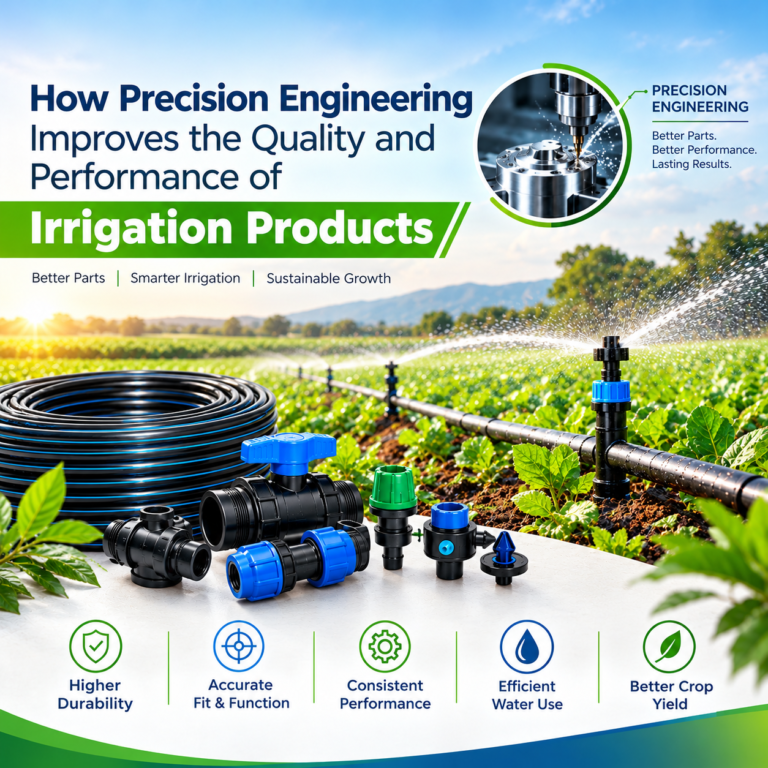
Manufacturing precision is essential because irrigation components often connect to other parts within a complete system. Incorrect dimensions or inconsistent connections can cause installation problems, leakage, or poor fit.
During production, manufacturers establish process parameters and inspect critical dimensions at appropriate intervals. These checks help identify deviations before they affect a larger production batch.
Depending on the product, manufacturers may monitor:
- Outer and inner diameters
- Wall thickness
- Thread dimensions
- Connection geometry
- Component length
- Surface finish
- Critical tolerances
Manufacturers may use measuring instruments, gauges, templates, or specialized inspection equipment to verify these features.
Process monitoring also helps identify problems associated with mould wear, tooling alignment, machine settings, or inconsistent raw materials.
By maintaining appropriate production controls, manufacturers can improve consistency between individual components and across repeat orders.
Precision requirements vary by product, so manufacturers should define inspection limits according to approved drawings and applicable specifications rather than relying on visual appearance alone.
6. Surface Finishing and Component Assembly
Some irrigation components require additional finishing or assembly after the primary manufacturing operation.
Finishing may involve removing excess material, smoothing specified surfaces, cleaning components, or preparing parts for assembly. The exact operations depend on the manufacturing method and product design.
For components containing multiple parts, assembly may involve fitting seals, joining housings, installing internal elements, or connecting specified mechanical features.
For example, certain valves require suitable sealing elements to control water flow. Some filter assemblies require correctly positioned filtration components and secure connections.
Manufacturers should follow the approved assembly procedure and verify that parts fit correctly.
Where applicable, assembly checks may include confirming seal placement, checking moving parts, inspecting joints, and verifying that the completed unit meets its functional requirements.
Proper finishing and assembly help ensure that the product matches its intended design. However, the required operations differ across component types, and not every irrigation product needs a separate finishing or assembly stage.
7. Quality Control and Inspection
Quality control is a central part of the irrigation components manufacturing process. It helps manufacturers identify defects, verify product specifications, and maintain consistency throughout production.
A quality control plan may include inspections at several stages rather than relying only on a final check.
Incoming Material Inspection
Manufacturers check incoming materials against the specified requirements. Depending on the material and product, this may include verifying dimensions, identification, documentation, or material properties.
In-Process Inspection
During production, operators or quality personnel inspect selected dimensions and process characteristics. These checks help detect deviations while production is still underway.
Final Product Inspection
Before dispatch, manufacturers may inspect finished components for dimensional accuracy, appearance, completeness, and compliance with approved specifications.
Documentation and Traceability
Where required, manufacturers may maintain inspection records, batch identification, material records, or test reports. These documents help businesses verify product conformity and investigate issues when they arise.
The appropriate inspection method depends on the product’s design and application. Manufacturers should identify critical characteristics and use suitable acceptance criteria.
Consistent quality control can reduce the likelihood of defective products reaching customers and help buyers maintain more predictable installation standards.
8. Product Testing and Performance Verification
Inspection confirms whether a product meets specified characteristics, while performance testing evaluates particular functions under defined conditions.
Depending on the component, testing may include dimensional verification, leakage checks, pressure testing, flow evaluation, connection checks, or other product-specific assessments.
For example, a component designed for a defined pressure range may require an appropriate pressure test. A valve may need functional verification, while a filter assembly may require checks related to its intended configuration.
Manufacturers should select tests according to the product’s design, applicable standards, and intended operating conditions.
Testing must use suitable procedures and acceptance limits. A test result is meaningful only when the method, conditions, and requirements are clearly defined.
Not every component requires the same tests, and a manufacturer should not claim that a product meets a particular standard or certification without supporting evidence.
Appropriate testing helps manufacturers verify specified performance characteristics and gives buyers useful information when evaluating products for their applications.
9. Packaging, Labelling, and Storage
Once manufacturers complete the required inspections and tests, they prepare the components for storage and dispatch.
Proper packaging helps protect finished products from damage, contamination, and handling problems during transportation. The packaging method depends on the product’s size, shape, material, and sensitivity.
Manufacturers may use suitable cartons, protective wrapping, bags, or other packaging materials. Components should be packed in a way that reduces the risk of deformation, scratching, or damage to connection features.
Where appropriate, product labels may include part numbers, descriptions, sizes, batch references, handling information, or other identification details.
Storage conditions also matter. Products should be stored according to their material and supplier recommendations, with appropriate protection from environmental exposure and physical damage.
Clear labelling helps distributors, contractors, and end users identify products and manage inventory more efficiently.
Careful packaging and handling complete the manufacturing process and help preserve product condition until installation.
10. Why Manufacturing Experience Matters
An experienced manufacturer can bring practical knowledge to material selection, production planning, dimensional control, and quality assurance.
Experience may also help manufacturers identify recurring production issues, improve work instructions, maintain tooling, and refine inspection procedures. However, buyers should assess actual capabilities and documented quality practices rather than relying on experience alone.
When choosing a manufacturer, businesses should review:
- Product range and manufacturing capabilities
- Material specifications and documentation
- Quality control and inspection procedures
- Relevant testing facilities or external test arrangements
- Production capacity and repeat-order consistency
- Technical support and communication
- Packaging and delivery practices
These factors help buyers determine whether a manufacturer can meet their technical and commercial requirements.
An effective manufacturing partner should provide clear product information, explain relevant limitations, and confirm specifications before accepting an order.
Conclusion
The Irrigation Components Manufacturing Process involves a series of connected stages, from defining product requirements and selecting suitable materials to manufacturing, precision inspection, testing, assembly, and packaging.
Each stage contributes to the quality and suitability of the finished component. Clear specifications help establish manufacturing requirements, while controlled production and appropriate inspection procedures support consistency. Product-specific testing then helps verify the characteristics required for the intended application.
For agricultural businesses, irrigation contractors, distributors, and equipment suppliers, understanding this process makes it easier to evaluate potential manufacturers and ask the right technical questions.
Before purchasing irrigation components, verify product specifications, material suitability, quality documentation, testing requirements, and delivery arrangements. Choosing a manufacturer with appropriate capabilities and dependable quality practices can support reliable procurement and the effective operation of irrigation systems.
Frequently Asked Questions (FAQs)
1. What is the irrigation components manufacturing process?
The irrigation components manufacturing process includes product planning, material selection, design, production, dimensional inspection, product testing where required, finishing, assembly, and packaging.
2. Which materials are used to manufacture irrigation components?
Manufacturers may use suitable plastics, rubber, metals, and other engineering materials. The selection depends on the component design, operating conditions, required properties, and intended application.
3. Which manufacturing methods are used for irrigation components?
Depending on the product, manufacturers may use injection moulding, extrusion, machining, metal forming, casting, and assembly processes.
4. Why is quality control important in irrigation component manufacturing?
Quality control helps verify dimensions, material requirements, production consistency, and other specified characteristics. It can help identify defects and reduce the risk of unsuitable components reaching customers.
5. How do manufacturers test irrigation components?
Testing depends on the product. It may include dimensional checks, leakage testing, pressure testing, flow evaluation, or functional checks according to the component’s requirements.
6. How can buyers evaluate an irrigation components manufacturer?
Buyers should review manufacturing capabilities, product specifications, quality procedures, relevant test reports, production capacity, technical support, and delivery commitments.
7. Can manufacturers produce customized irrigation components?
Some manufacturers can produce customized components based on approved drawings, dimensions, materials, and production feasibility. Buyers should confirm the manufacturer’s capabilities before placing an order.
8. How does material selection affect irrigation component quality?
Material selection influences properties such as strength, corrosion resistance, temperature suitability, and environmental durability. The material must match the product’s design and operating conditions.
9. What happens after irrigation components are manufactured?
Finished components undergo the required inspection and testing before packaging. Manufacturers then label, store, and prepare approved products for dispatch according to their procedures.
10. How does the irrigation components manufacturing process support reliable irrigation systems?
A controlled manufacturing process helps produce components that meet defined specifications. Suitable materials, accurate dimensions, appropriate testing, and correct installation all contribute to reliable system operation.