Introduction
Efficient irrigation plays an important role in modern agriculture, landscaping, horticulture, and water management. Whether farmers irrigate large agricultural fields or property owners maintain gardens and landscaped areas, the right irrigation components help distribute water where it is needed. A well-planned irrigation system combines several components, including filters, valves, sprinklers, pipes, and fittings, to manage water flow and support consistent operation.
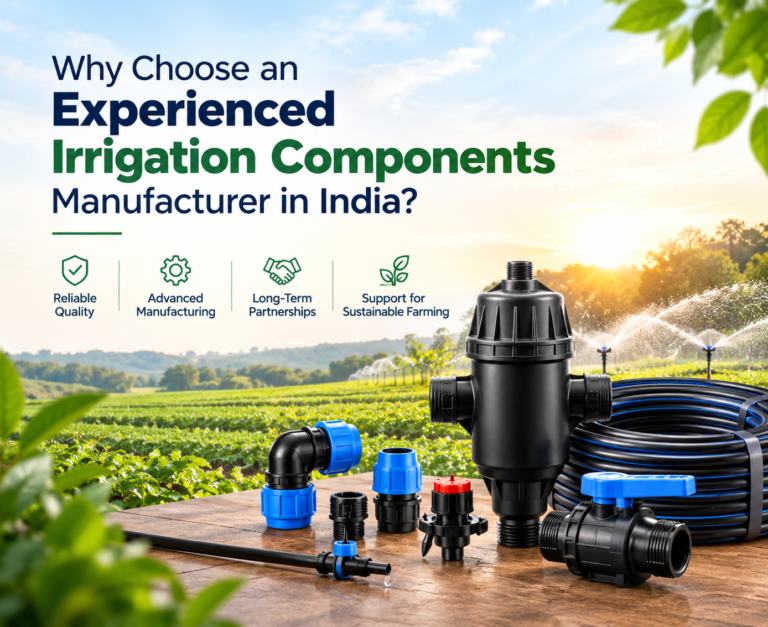
Choosing an experienced Irrigation Filters and Valves Manufacturer can help buyers find components suited to their system requirements. Filters help remove particles from irrigation water, valves control water flow, sprinklers distribute water across designated areas, and fittings connect different parts of the system.
Each component serves a different purpose, but all of them must work together for the system to operate effectively. Incorrect component selection, unsuitable connections, or inadequate filtration can affect water distribution and increase maintenance requirements.
This guide explains the functions of irrigation filters, valves, sprinklers, and fittings, how to select suitable products, and what buyers should consider when choosing an irrigation components manufacturer.
1. Understanding Complete Irrigation Solutions
A complete irrigation solution includes the components needed to move, control, filter, and distribute water according to the application’s requirements.
The exact configuration depends on factors such as the water source, field size, crop type, soil conditions, water pressure, irrigation method, and available infrastructure.
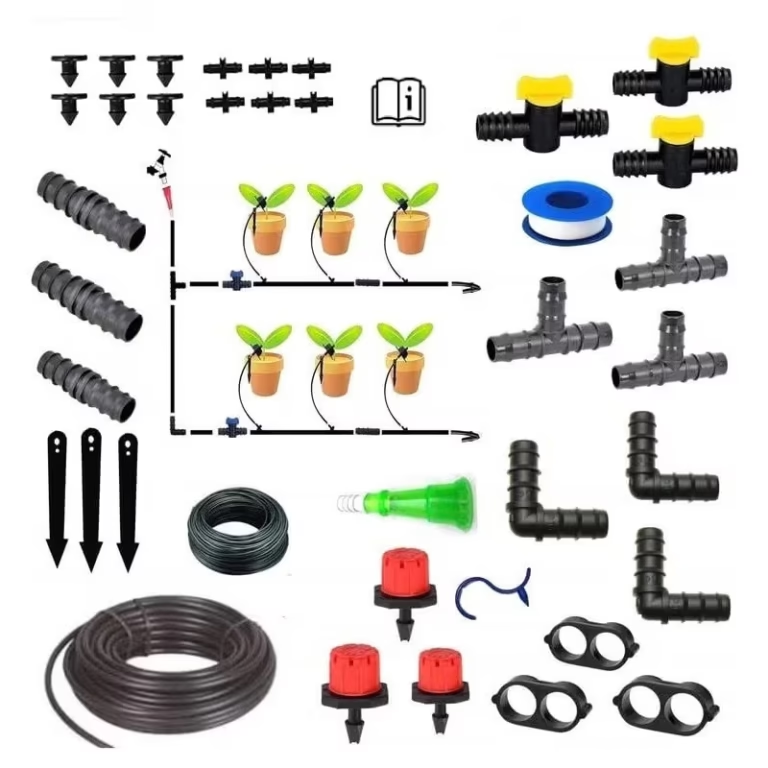
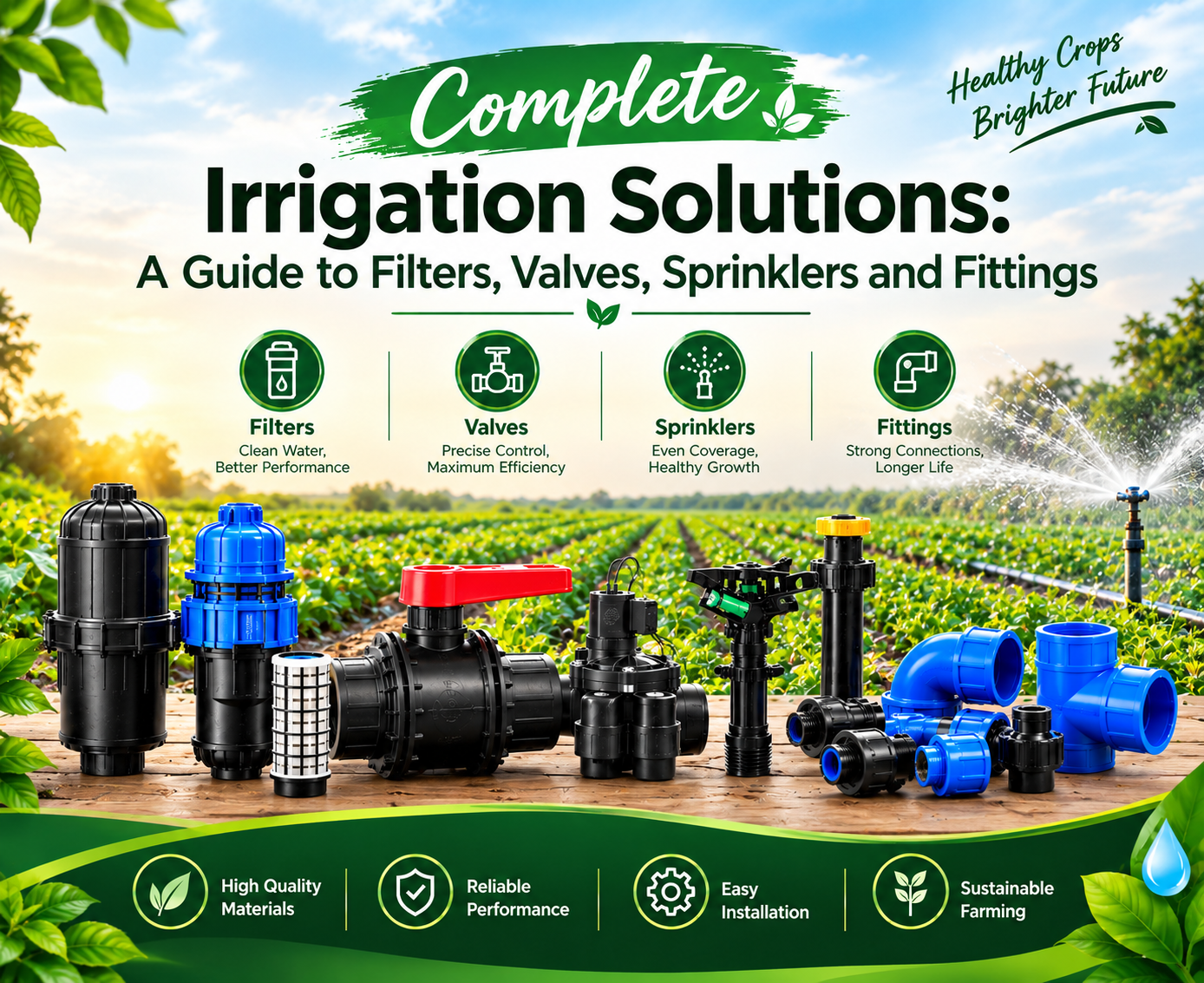
A typical irrigation system may include:
- Filters: Help remove suspended particles from irrigation water.
- Valves: Start, stop, regulate, or direct water flow, depending on the valve design.
- Sprinklers: Distribute water over a designated area.
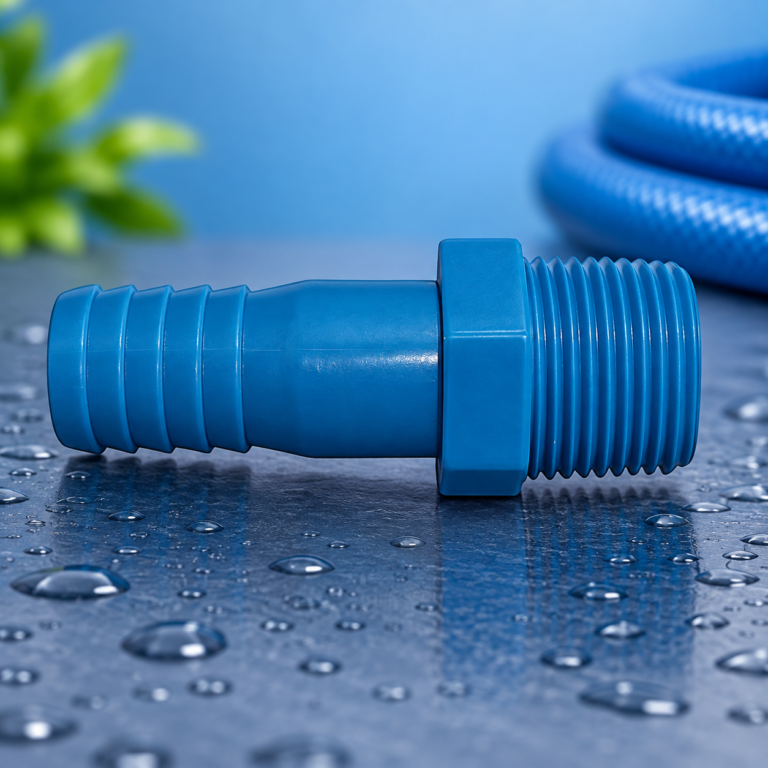
- Fittings and connectors: Join pipes, hoses, valves, and other components.
- Pipes and tubing: Carry water throughout the irrigation network.
- Adapters and accessories: Help connect compatible components and support installation.
A properly selected combination helps the system deliver water according to its intended design. Buyers should confirm component sizes, connection types, flow requirements, and operating pressure before purchasing.
Working with an experienced irrigation components supplier can also make it easier to coordinate compatible products for a specific project.
2. Irrigation Filters: Protecting the System from Particles
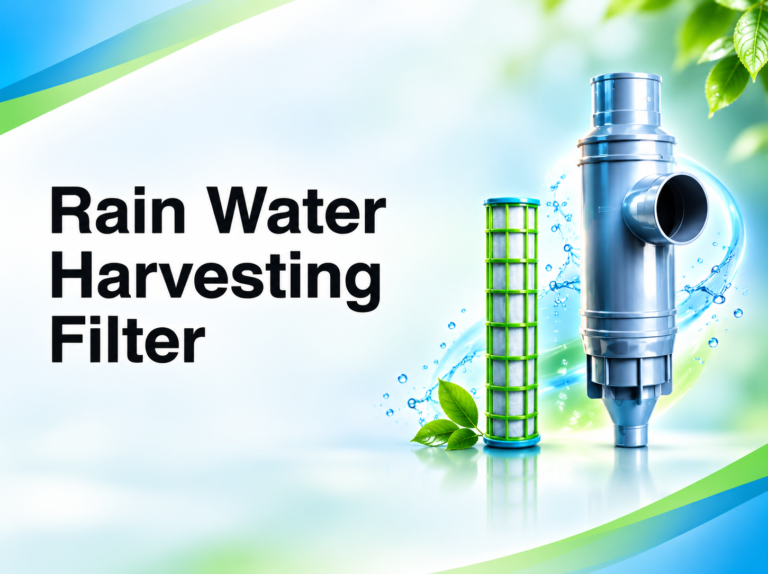
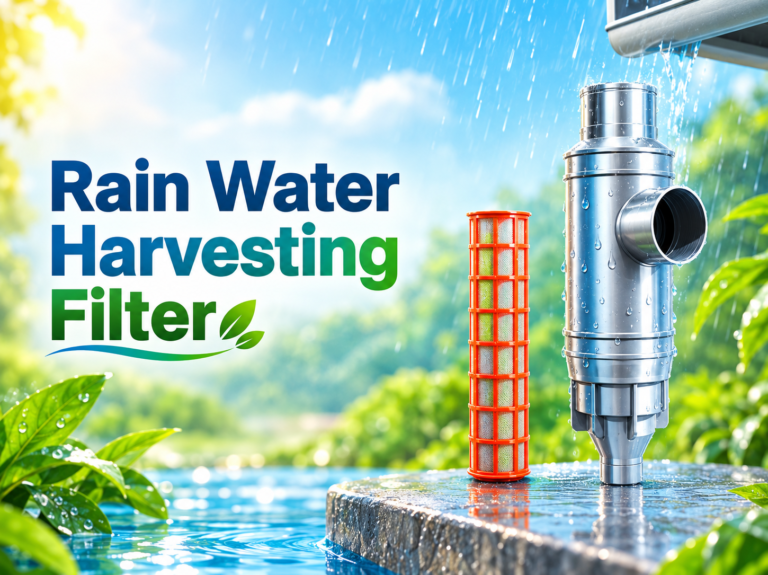
Filtration is an important part of many irrigation systems, particularly when the water contains sand, sediment, organic matter, or other particles. These contaminants can accumulate in pipes and interfere with components that have narrow water passages, including drip emitters and certain sprinkler nozzles.
Irrigation filters help reduce the amount of unwanted material entering the distribution network. The appropriate filter depends on water quality, the irrigation method, flow rate, and the filtration requirements of the downstream equipment.
Common Types of Irrigation Filters
Screen filters: These filters use a mesh screen to capture particles above a specified size. Buyers should select a suitable mesh rating based on the system’s requirements.
Disc filters: These filters use stacked discs to trap particles as water passes through the filtration element. They may be suitable for applications that require effective filtration of suspended material.
Media filters: These systems pass water through a filtration medium and can be useful for certain water sources containing organic material. Selection depends on the contamination type and treatment requirements.
Not every irrigation system needs the same filter. The buyer should evaluate the water source, contamination level, required filtration rating, and manufacturer’s recommendations before choosing a model.
Benefits of Suitable Filtration
Appropriate filtration can help:
- Reduce particle-related blockages.
- Protect sensitive irrigation components.
- Support more consistent water distribution.
- Reduce some cleaning and maintenance requirements.
- Improve the suitability of water for the selected irrigation method.
Filters require regular inspection and cleaning according to their design and operating conditions. A clogged filter can restrict water flow, so users should follow the manufacturer’s maintenance instructions and monitor pressure differences where applicable.
3. Irrigation Valves: Controlling Water Flow
Valves help control how water moves through an irrigation system. They allow operators to start or stop flow, direct water into different zones, and manage system operation according to the valve’s design.
An irrigation network may contain multiple zones with different watering schedules or water requirements. Suitable valves help separate these zones and support controlled irrigation.
Common Types of Irrigation Valves
Manual valves: Operators open or close these valves by hand. They may suit smaller installations or systems that do not require automated control.
Solenoid valves: These electrically operated valves can work with compatible irrigation controllers. They help automate water delivery to different zones.
Control valves: Depending on their design, these valves can regulate or manage flow and pressure within an irrigation network.
Check valves: These valves help prevent reverse flow in suitable applications. Their use depends on system layout and the required flow-control arrangement.
When selecting a valve, buyers should consider connection size, operating pressure, flow rate, material compatibility, actuation method, and installation conditions.
A reliable Irrigation Filters and Valves Manufacturer should provide accurate product specifications and help buyers identify which valve type suits their application. Buyers should verify these details rather than assume that every valve works with every irrigation system.
Why Correct Valve Selection Matters
An unsuitable valve may restrict flow, fail to fit the connection, or perform poorly under the system’s operating conditions. Correct selection supports dependable control and helps simplify operation and maintenance.
Users should also install valves according to the manufacturer’s instructions and inspect them periodically for leakage, wear, or operational problems.
4. Sprinklers: Distributing Water Across the Required Area
Sprinklers distribute water over crops, lawns, gardens, nurseries, and other designated areas. They release water through nozzles and distribute it according to the sprinkler’s design, pressure, flow rate, and operating pattern.
The correct sprinkler depends on the application and the area that requires irrigation.
Common Sprinkler Types
Impact sprinklers: These sprinklers use a mechanical impact mechanism to rotate and distribute water. They are used in various irrigation applications, depending on their specifications.
Rotary sprinklers: These sprinklers rotate to distribute water across a defined area. Different models offer different coverage patterns and operating characteristics.
Spray sprinklers: These products distribute water in a spray pattern and are often used for suitable lawn, garden, and landscape applications.
Micro-sprinklers: These provide localized water distribution and may suit nurseries, orchards, and other applications that require targeted coverage.
Factors to Consider When Choosing Sprinklers
Before selecting sprinklers, evaluate:
- Required coverage area.
- Operating pressure and flow rate.
- Nozzle specifications.
- Spacing and installation layout.
- Crop or landscape requirements.
- Water quality and filtration needs.
- Compatibility with pipes, fittings, and control valves.
Correct spacing and pressure help achieve the intended distribution pattern. Poor layout or unsuitable pressure can create uneven watering, so the complete system should be designed around the application’s requirements.
5. Irrigation Fittings and Connectors: Joining System Components
Fittings connect pipes, hoses, valves, filters, sprinklers, and other irrigation products. They help create a functional water distribution network and allow installers to arrange components according to the system layout.
Common fittings include elbows, tees, couplings, reducers, adapters, threaded connectors, and hose connectors. Each type serves a specific connection purpose.
For example, an elbow changes the direction of a pipeline, a tee creates a branch, and a reducer joins compatible connections of different sizes.
Why Fitting Quality Matters
Poorly matched or damaged fittings can lead to leakage, installation difficulties, or unwanted restrictions in water flow. Buyers should confirm the fitting’s dimensions, material, connection type, and pressure suitability.
Important selection factors include:
- Pipe or hose diameter.
- Thread type and connection standard.
- Material and environmental suitability.
- Required operating pressure.
- Compatibility with the connected components.
- Installation and sealing requirements.
Installers should use compatible fittings and follow the recommended assembly procedure. They should not force mismatched threads or connections together because doing so can damage components and create leakage points.
6. How Filters, Valves, Sprinklers and Fittings Work Together
The performance of an irrigation system depends on how well its components work together. Selecting each product separately without checking system compatibility can cause avoidable problems.
A typical arrangement may follow this sequence:
- Water source: Supplies water to the system.
- Filtration unit: Removes particles according to the selected filtration method.
- Main control valve: Controls water entering the distribution network.
- Pipes and fittings: Carry water to different irrigation zones.
- Zone valves: Control water delivery to designated areas, where required.
- Sprinklers or other emitters: Distribute water to crops, plants, or landscaped areas.
Actual system layouts vary. Some systems use additional pressure regulators, pumps, controllers, backflow prevention devices, or other treatment equipment.
The system designer should check the flow and pressure requirements of all major components. For example, a filter must support the required flow rate, and the available pressure must suit the selected sprinklers or emitters.
Good coordination can help reduce installation issues and support consistent irrigation. However, system performance also depends on water quality, hydraulic design, maintenance, and correct installation.
7. How to Choose an Irrigation Filters and Valves Manufacturer
Selecting the right manufacturer or supplier is an important step in sourcing irrigation components. Buyers should evaluate product suitability, technical information, quality procedures, and the supplier’s ability to meet project requirements.
Review the Product Range
Look for a supplier whose available products match your needs. Depending on the business, this may include filters, valves, sprinklers, fittings, connectors, and related accessories.
A coordinated product range can simplify sourcing, but buyers should still verify that each component suits the intended application.
Check Technical Specifications
Request product information covering dimensions, connection types, materials, flow rates, pressure ratings, filtration ratings, and other relevant specifications.
Do not rely on a product’s name or general description alone. Confirm the specifications that directly affect system compatibility and operation.
Evaluate Quality Procedures
Ask how the supplier or manufacturer checks products against their stated specifications. Where relevant, review inspection records, test reports, material information, and applicable conformity documents.
Only rely on certification or standards claims when supporting documentation is available.
Confirm Supply and Support
Before placing an order, confirm stock availability, minimum order quantities, delivery arrangements, packaging, and technical support. For larger projects, buyers may also need to check production capacity and repeat-order consistency.
A capable Irrigation Filters and Valves Manufacturer should communicate clearly, provide accurate product information, and help buyers verify compatibility before ordering.
8. The Importance of Material Selection and Durability
Irrigation components operate under different environmental and water conditions. Their materials should suit the intended application, installation environment, and operating requirements.
Manufacturers may use engineering plastics, rubber, metals, or other suitable materials depending on the component design.
Material selection can influence corrosion resistance, mechanical strength, chemical compatibility, temperature suitability, and expected service life. However, no single material suits every application.
For example, components exposed to sunlight may require suitable resistance to ultraviolet exposure, while parts used with chemically treated water may need specific compatibility checks.
Buyers should consider the water source, environmental conditions, pressure requirements, and manufacturer’s recommendations. They should also confirm that seals and connection materials are compatible with the system.
Suitable materials, correct installation, and regular maintenance all contribute to product performance. Buyers should avoid assuming that a component will last a particular number of years unless the manufacturer provides reliable supporting information for the relevant conditions.
9. Maintenance Practices for Long-Term Irrigation Performance
Even well-selected irrigation components require appropriate maintenance. Routine inspection helps identify problems before they cause more significant disruption.
Useful maintenance practices include:
- Inspect filters and clean them according to the manufacturer’s instructions.
- Check valves for leaks, damage, or operating difficulties.
- Examine sprinklers for clogged nozzles and uneven distribution.
- Inspect fittings and joints for leaks or loose connections.
- Monitor flow and pressure for unexpected changes.
- Replace damaged seals or components with suitable replacements.
- Follow the recommended seasonal storage or winterization procedure where relevant.
Maintenance frequency depends on water quality, operating hours, system design, and environmental conditions. Systems using water with high sediment levels may need more frequent filter servicing than systems supplied with cleaner water.
Users should follow the product instructions and investigate recurring problems rather than repeatedly replacing parts without identifying the cause.
10. Common Mistakes to Avoid When Buying Irrigation Components
Buyers can reduce sourcing and installation problems by checking several important details before ordering.
Choosing the wrong size: Components with incompatible dimensions or connection types may not fit correctly. Verify all relevant measurements before purchase.
Ignoring pressure and flow requirements: A product that does not suit the system’s operating conditions may restrict flow or fail to deliver the required performance.
Selecting an unsuitable filter: Filtration must match the water quality and the requirements of downstream components.
Mixing incompatible materials or connections: Check material suitability, thread standards, sealing methods, and product compatibility.
Overlooking maintenance needs: Filters, valves, and sprinklers may require cleaning, inspection, or replacement of worn parts.
Accepting unsupported product claims: Request clear specifications and relevant documentation instead of relying on broad claims about durability, efficiency, or certification.
By avoiding these mistakes, buyers can make more informed decisions and assemble irrigation systems that better match their project requirements.
Conclusion
Complete irrigation solutions combine filters, valves, sprinklers, fittings, and other components to manage water flow and distribute it to the required areas. Each component performs a specific function, and the system works best when buyers select products that meet their application, pressure, flow, material, and connection requirements.
An experienced Irrigation Filters and Valves Manufacturer can help buyers evaluate suitable products and obtain relevant technical information. However, buyers should always verify specifications, compatibility, quality documentation, and supply arrangements before placing an order.
Whether you are sourcing components for agriculture, horticulture, landscaping, or another irrigation application, focus on correct product selection, suitable installation, and regular maintenance. These practices help support dependable operation and effective water distribution over the life of the system.
Frequently Asked Questions (FAQs)
1. What does an irrigation filters and valves manufacturer produce?
An irrigation filters and valves manufacturer may produce or supply filters and valves used in water filtration and flow control. Depending on its product range, the business may also offer sprinklers, fittings, connectors, and related irrigation components.
2. Why are irrigation filters important?
Irrigation filters help remove particles from water before it enters the distribution network. Suitable filtration can reduce blockages and help protect components such as drip emitters and certain sprinkler nozzles.
3. What types of irrigation filters are available?
Common types include screen filters, disc filters, and media filters. The right choice depends on water quality, particle characteristics, flow requirements, and the irrigation system’s filtration needs.
4. What are irrigation valves used for?
Irrigation valves control, stop, direct, or regulate water flow according to their design. They can support manual operation or automated irrigation when used with compatible control equipment.
5. How do I choose the right irrigation sprinkler?
Consider the coverage area, required flow rate, operating pressure, nozzle specifications, installation spacing, and the needs of the crop or landscape.
6. Why are fittings important in irrigation systems?
Fittings connect pipes, hoses, filters, valves, and sprinklers. Correctly selected fittings help provide suitable connections and reduce problems caused by poor fit or incompatible threads.
7. How do I select a reliable irrigation filters and valves manufacturer?
Review the product range, technical specifications, quality procedures, relevant documentation, supply capabilities, and customer support. Verify that the manufacturer or supplier can meet your project’s requirements.
8. Can irrigation filters and valves be used in agricultural and landscaping projects?
Yes. Suitable filters and valves are used in many agricultural and landscaping systems. The product selection depends on the water source, system design, operating conditions, and irrigation method.
9. How often should irrigation filters be cleaned?
Cleaning frequency depends on water quality, filter design, and system usage. Follow the manufacturer’s instructions and inspect the filter regularly for clogging or pressure changes.
10. What should I check before buying irrigation components?
Confirm dimensions, connection types, material suitability, pressure ratings, flow requirements, filtration specifications where relevant, product compatibility, and delivery details before placing an order.