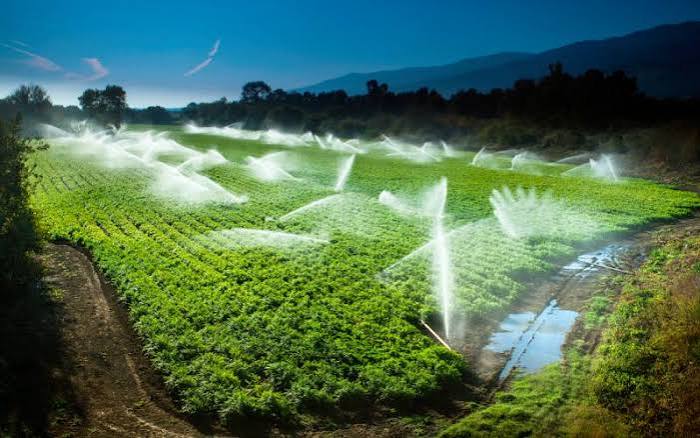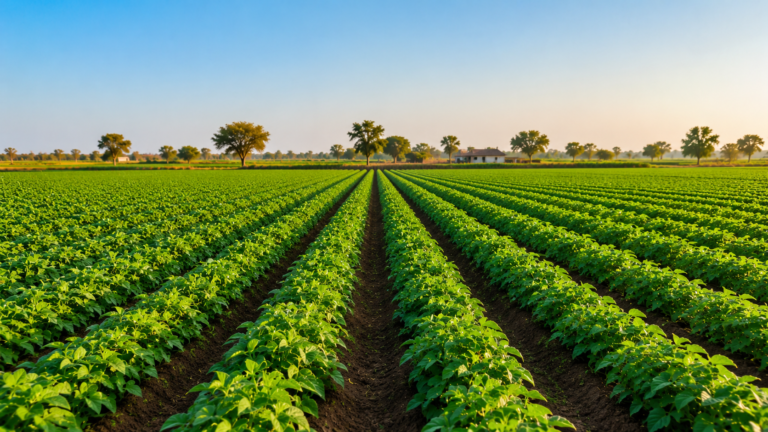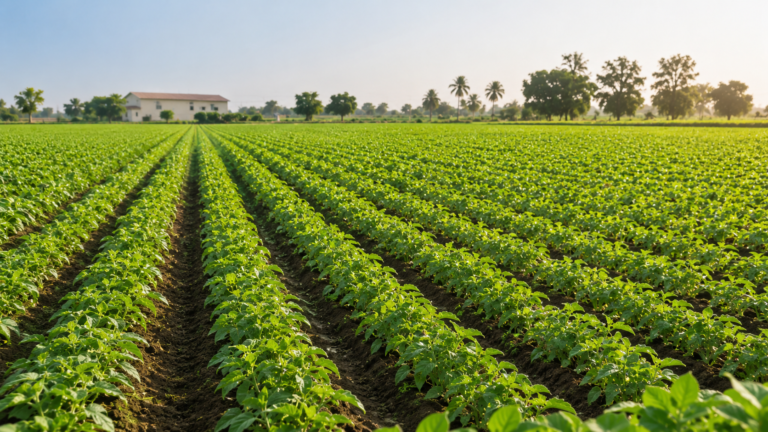
Drip irrigation is one of the most efficient methods of delivering water directly to the root zone of crops. It uses a network of pipes, hoses, connectors, valves, filters, emitters, and other irrigation accessories to distribute water in a controlled manner. Among these small but important components, a hose collar in drip irrigation helps secure hose and pipe connections and supports a stable irrigation network.
Although a hose collar is a simple component, it can play an important role in preventing loose connections and reducing water leakage. A properly selected hose collar can provide better grip around a hose connection and help maintain the reliability of an irrigation system.
For farmers, greenhouse operators, nursery owners, landscapers, and irrigation professionals, understanding the purpose and correct use of hose collars can make irrigation installation and maintenance easier.
For more information about irrigation products and solutions, visit Gajanan Irrigation.
What Is a Hose Collar?
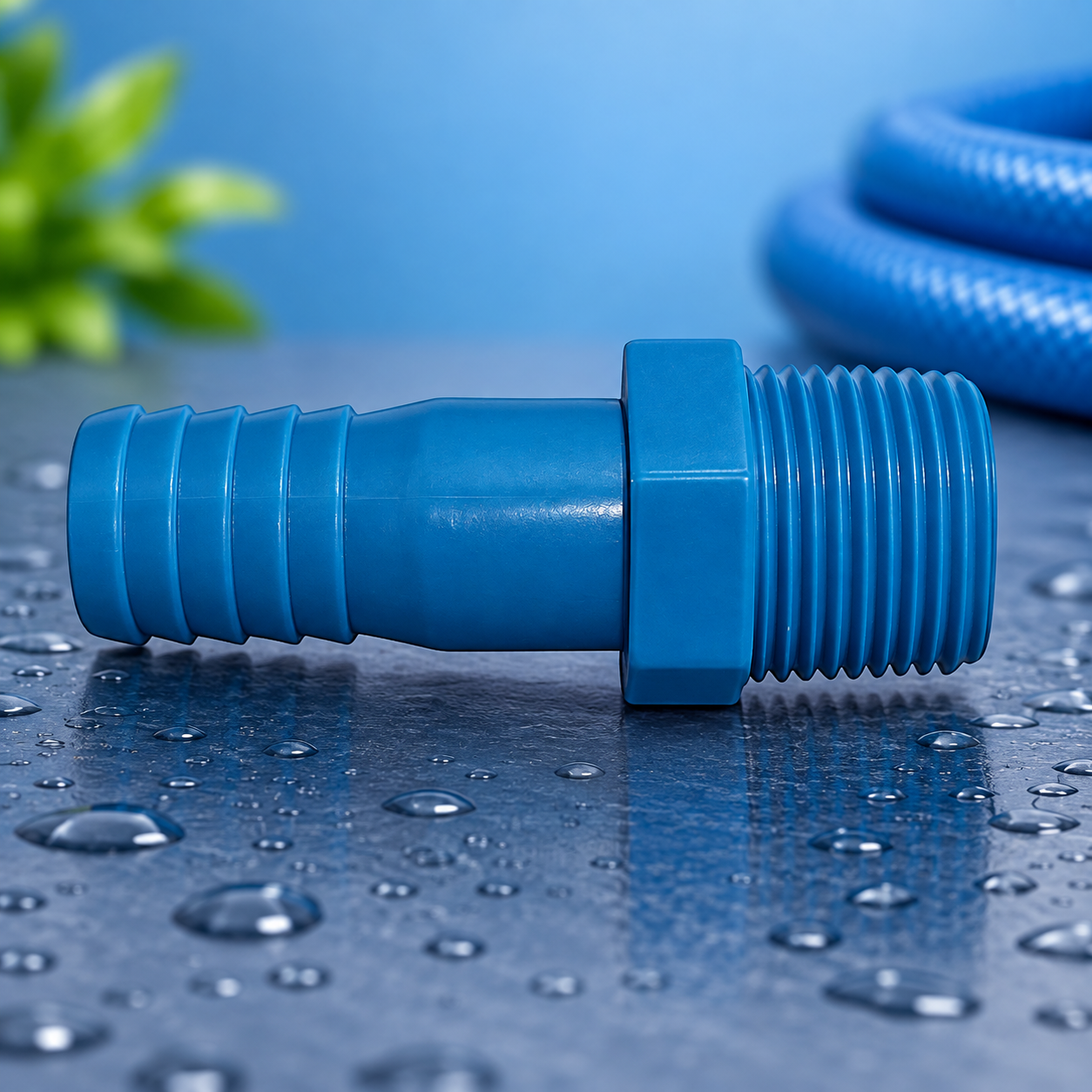
A hose collar is a fastening component used to secure a hose or pipe around a suitable connection point. It provides additional gripping force around the hose and helps prevent the hose from slipping or becoming loose.
In drip irrigation systems, flexible hoses and pipes are connected to different fittings. Depending on the type of connection, a hose collar can provide additional mechanical support.
The basic purpose of a hose collar is simple: it helps keep the hose securely connected.
A reliable connection is important because irrigation systems operate under water pressure. If a connection is loose, water can escape from the joint. Repeated leakage can waste water and may also affect the performance of the irrigation system.
What Is a Hose Collar Used for in Drip Irrigation?
A hose collar is mainly used to secure suitable hose and pipe connections. It can provide additional support where a flexible hose is connected to a fitting.
Its applications can include:
- Securing flexible irrigation hoses
- Supporting hose-to-fitting connections
- Reducing unwanted hose movement
- Helping maintain a firm connection
- Supporting leak-resistant connections
- Improving connection stability
- Providing additional mechanical grip
The exact application depends on the hose, fitting, collar design, operating pressure, and irrigation system.
A hose collar should not be considered a replacement for a proper connector or fitting. Instead, it works as a fastening component that can support an appropriate connection.
Why Is a Hose Collar Important in Drip Irrigation?
A drip irrigation system contains many connection points. Water moves through the system from the water source to the mainline, sub-main, lateral pipes, and finally to the emitters.
Every connection should be properly secured.
If a hose connection becomes loose, several problems can occur. Water may leak from the joint, the hose may move, and the irrigation system may not operate as intended.
A suitable hose collar can help provide additional grip at selected connections.
This is especially useful when flexible hoses are exposed to movement, pressure changes, installation stress, or repeated maintenance.
A secure connection also makes it easier to inspect and maintain the irrigation system.
How Does a Hose Collar Work?
The working principle of a hose collar is straightforward.
First, the hose is positioned correctly over or around the compatible fitting. The collar is then positioned around the outside of the hose near the connection point. When the collar is secured, it creates pressure around the hose.
This pressure helps hold the hose in place.
The collar should provide enough grip to prevent movement without damaging the hose. Excessive tightening can deform or damage some flexible hose materials.
For this reason, the correct size and installation method are important.
Main Applications of Hose Collars in Irrigation
Hose collars can be used in different irrigation applications depending on the system design.
Agricultural Drip Irrigation
Agricultural drip irrigation systems use a large network of pipes and fittings. Hose collars can be useful at suitable flexible hose connections where additional fastening is required.
Greenhouse Irrigation
Greenhouses often use flexible irrigation tubing to distribute water to plants. Secure connections are important because a loose hose can interrupt water delivery.
Nursery Irrigation
Nurseries commonly use small irrigation hoses and tubing. Hose collars can help secure selected connections and make the irrigation network more stable.
Garden Irrigation
Garden irrigation systems may use flexible hoses, connectors, and small irrigation fittings. A suitable hose collar can help secure certain connections.
Landscape Irrigation
Landscape irrigation systems often contain several hose and pipe connections. Fastening accessories can help maintain connection stability.
Agricultural Water Distribution
Hose collars can also be used in selected agricultural water distribution applications where flexible hoses require additional mechanical support.
Benefits of Using a Hose Collar
A properly selected hose collar offers several practical benefits.
1. Stronger Hose Grip
The primary benefit of a hose collar is improved mechanical grip. It helps hold the hose securely around the appropriate connection.
2. Reduced Hose Movement
Flexible hoses can move because of water pressure, handling, or external forces. A collar helps reduce unwanted movement around the connection.
3. Supports Leak Prevention
A secure connection can reduce leakage caused by a loose hose connection. However, a hose collar cannot repair a damaged hose or incorrect fitting.
4. Easy Installation
Many hose fastening components are simple to install. This can make field installation and maintenance easier.
5. Better Connection Stability
A secure hose connection helps maintain stability while the irrigation system is operating.
6. Simple Maintenance
Hose collars can be visually inspected during routine irrigation maintenance. Loose, damaged, or corroded components can be identified and replaced.
7. Suitable for Different Applications
Depending on their design, hose collars can be used in agricultural, greenhouse, nursery, garden, landscape, plumbing, and other applications.
How to Choose the Right Hose Collar for Drip Irrigation
Choosing the correct hose collar is important for reliable performance.
The first consideration should be the hose size.
Check the Hose Diameter
Measure the outside diameter of the hose or pipe where the collar will be installed.
The collar should fit securely around the hose. A collar that is too large may not provide enough grip, while one that is too small may damage the hose.
Check the Fitting Type
Identify the fitting connected to the hose.
It could be a connector, adapter, valve, barbed fitting, or another irrigation component.
The collar should be compatible with the connection.
Consider Operating Pressure
Different irrigation systems operate under different pressure conditions.
The hose, fitting, and collar should all be suitable for the expected operating pressure.
Check the Material
Hose collars may be manufactured from different materials. Material selection should consider exposure to water, sunlight, moisture, temperature changes, and agricultural conditions.
Consider Corrosion Resistance
For outdoor agricultural applications, corrosion resistance can be important, especially when metallic components are used.
Follow Manufacturer Specifications
Always check the product specifications and recommended installation procedure before selecting and installing a hose collar.
How to Install a Hose Collar
Correct installation is just as important as selecting the correct collar.
A general installation process includes the following steps:
- Turn off the irrigation water supply.
- Clean the hose and fitting.
- Inspect the hose for cracks, cuts, or damage.
- Position the hose correctly on the compatible fitting.
- Place the hose collar around the connection area.
- Secure the collar according to its design.
- Avoid excessive tightening.
- Turn the water supply on gradually.
- Check the connection for leakage.
- Inspect the hose and collar after the system reaches normal operating pressure.
If water continues to leak, turn off the system and inspect the hose, fitting, and collar.
Common Mistakes When Using Hose Collars
Even a good hose collar may not perform properly if it is incorrectly selected or installed.
Using the Wrong Size
One of the most common mistakes is using a collar that does not match the hose diameter.
The collar should fit the hose correctly.
Overtightening the Collar
Excessive tightening may damage flexible hose material. It can also deform the hose and create an unreliable connection.
Using a Damaged Hose
A hose collar cannot permanently fix a severely cracked, cut, or damaged hose.
If the hose is damaged, it should be properly repaired or replaced.
Ignoring Water Pressure
The collar and connection should be suitable for the operating conditions of the irrigation system.
Using an Incompatible Collar
Not every collar is suitable for every type of irrigation hose. Always check compatibility before installation.
Not Checking the Connection
A new installation should be checked after the irrigation system is pressurized.
Regular inspection is also recommended.
Hose Collar vs. Hose Connector
A hose collar and a hose connector perform different functions.
A hose connector is generally used to connect two hoses, connect a hose to another irrigation component, or create a transition between different components.
A hose collar is primarily a fastening component.
For example, a hose may be installed over a suitable fitting, while a collar provides additional external grip around the hose.
Both components can work together as part of an irrigation connection.
Hose Collar vs. Hose Clamp
The terms hose collar and hose clamp are sometimes used interchangeably in general conversation, but their exact design and function can vary by product.
A hose clamp typically applies clamping force around the outside of a hose. A hose collar may refer to a particular fastening or securing component designed for a specific irrigation or piping application.
Therefore, it is important to check the actual product specifications rather than choosing a component based only on its name.
Role of Hose Collars in Water-Efficient Irrigation
Drip irrigation is designed to deliver water efficiently to the crop root zone.
However, water efficiency depends on the performance of the complete irrigation system.
A system may contain:
- Water source
- Pump
- Filter
- Mainline
- Sub-main
- Laterals
- Connectors
- Valves
- Emitters
- Pressure-control components
- Fertigation equipment
- End caps
- Other irrigation accessories
If a connection leaks, water may be wasted before reaching the crop.
A hose collar can help support a secure connection where it is appropriate. However, water efficiency also depends on correct irrigation scheduling, pressure management, filtration, system design, and regular maintenance.
Hose Collar for Different Crops
A hose collar is not limited to one particular crop.
It may be used in irrigation systems designed for crops such as:
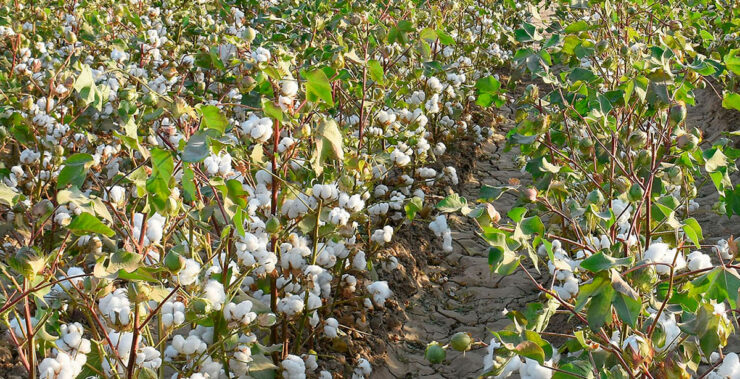
- Cotton
- Sugarcane
- Onion
- Potato
- Groundnut
- Wheat
- Soybean
- Vegetables
- Fruits
- Flowers
- Nursery plants
The collar itself does not change the irrigation requirement of a crop. Its role is to support the physical connection of suitable hoses and fittings within the irrigation system.
Hose Collar in Greenhouse and Nursery Irrigation
Greenhouse and nursery irrigation systems often use flexible tubing because it can be routed around plants, growing beds, containers, and benches.
These systems require reliable connections because even a small leak can affect water distribution.
A properly selected hose collar can provide additional grip around suitable connections.
For nurseries, where irrigation lines may be moved or adjusted regularly, easy-to-maintain connections can also be valuable.
Hose Collar and Irrigation System Maintenance
Regular maintenance is essential for drip irrigation systems.
Farmers should periodically inspect the complete irrigation network.
Check for:
- Loose hose connections
- Water leakage
- Damaged hoses
- Cracked fittings
- Corroded collars
- Blocked emitters
- Filter problems
- Pressure changes
- Damaged valves
- Pipe movement
Hose collars should be inspected whenever the surrounding connection is serviced.
If a collar becomes damaged or loses its ability to provide adequate grip, it should be replaced.
Importance of Quality Hose Collars
Irrigation components are exposed to outdoor conditions for long periods.
Depending on the location, they may experience:
- Strong sunlight
- High temperatures
- Rain
- Moisture
- Dust
- Soil
- Fertilizers
- Agricultural chemicals
- Pressure changes
Therefore, selecting an appropriate-quality hose collar is important.
A suitable collar should match the intended application and provide reliable performance under the expected environmental conditions.
However, even a high-quality component requires correct sizing and installation.
Hose Collar for Indian Agriculture
Indian agriculture includes a wide variety of climates, soil types, crops, and irrigation practices.
Farmers may use drip irrigation in areas with high temperatures, seasonal rainfall, limited water availability, or intensive agricultural production.
When selecting hose collars for Indian agricultural applications, consider:
- Hose diameter
- Irrigation pressure
- Water quality
- UV exposure
- Temperature
- Installation conditions
- Crop type
- Field size
- Irrigation layout
- Maintenance requirements
Selecting components according to the actual field conditions can improve the reliability of the irrigation system.
How to Maintain a Hose Collar
Proper maintenance can help identify connection problems early.
Inspect Regularly
Check the collar during routine irrigation inspections.
Look for Corrosion
If the collar is metallic, check for rust or corrosion.
Check Hose Condition
Inspect the hose around the collar for cracks, cuts, swelling, or deformation.
Check for Leakage
Run the irrigation system and inspect the connection under normal operating conditions.
Check for Movement
If the hose moves excessively around the connection, inspect the collar and fitting.
Replace Damaged Parts
A damaged collar should be replaced rather than repeatedly tightened or modified.
Frequently Asked Questions About Hose Collar in Drip Irrigation
What is a hose collar in drip irrigation?
A hose collar is a fastening component used to secure a suitable hose or pipe connection. It provides additional grip and helps reduce unwanted hose movement.
What is the main purpose of a hose collar?
The main purpose of a hose collar is to secure a hose around a compatible connection point and provide additional mechanical support.
Can a hose collar stop water leakage?
A correctly selected and installed hose collar can help reduce leakage caused by a loose hose connection. It cannot repair a damaged hose or incorrect fitting.
How do I choose the correct hose collar size?
Choose a collar according to the outside diameter of the hose and the specifications of the connection. The collar should fit securely without damaging the hose.
Can hose collars be used in agricultural irrigation?
Yes. Suitable hose collars can be used in agricultural irrigation applications where flexible hose connections require additional fastening support.
Are hose collars suitable for greenhouse irrigation?
Suitable hose collars can be used in greenhouse irrigation systems where flexible hoses require secure connections.
Can I use any hose collar with drip irrigation pipe?
No. The collar must be compatible with the hose size, material, fitting, and operating conditions.
How often should a hose collar be checked?
It should be inspected during routine irrigation maintenance and whenever leakage, hose movement, or connection problems are noticed.
Why Choose the Right Irrigation Components?
A drip irrigation system works as a complete network.
A single component cannot determine the performance of the entire system.
Farmers should consider the quality and compatibility of filters, pipes, fittings, connectors, valves, emitters, and other accessories.
Correct installation is equally important.
A properly designed system can help distribute water more consistently and make irrigation management easier.
For irrigation products and solutions, you can explore Gajanan Irrigation.
Conclusion
A hose collar in drip irrigation is a small but useful component for securing suitable hose and pipe connections. It helps provide additional grip, reduce unwanted hose movement, and support a more stable connection.
Selecting the right hose collar requires attention to hose diameter, fitting type, material, operating pressure, environmental conditions, and manufacturer specifications.
Farmers should also remember that a hose collar is only one part of a complete drip irrigation system. Proper filtration, pressure management, suitable irrigation pipes, reliable fittings, correct installation, and regular maintenance are all important for effective irrigation.