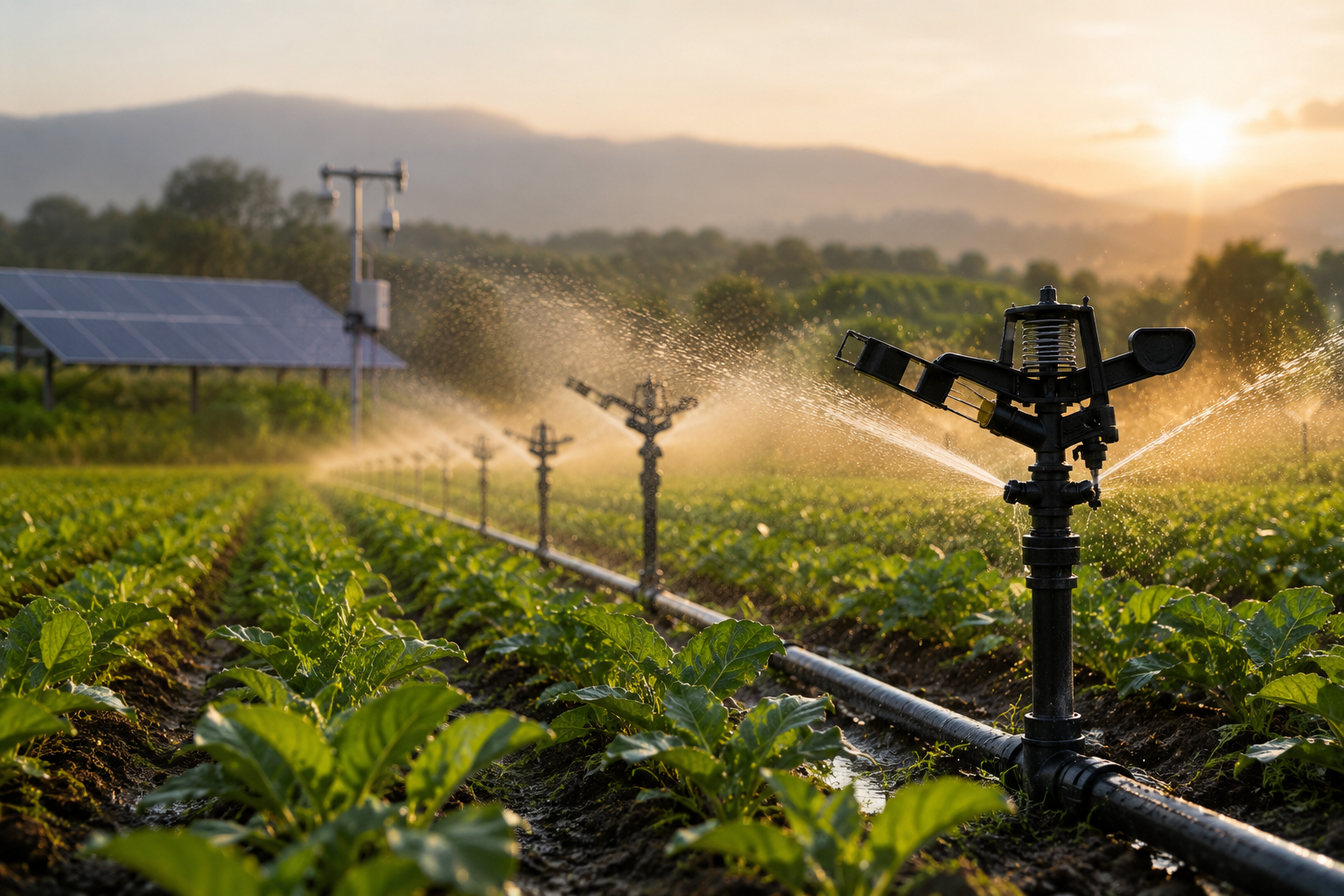
India is one of the world’s largest agricultural economies, where farming supports millions of families. However, increasing water scarcity, unpredictable rainfall, and climate change have made efficient irrigation more important than ever. Traditional irrigation methods often lead to excessive water consumption, higher energy costs, and lower crop productivity.
This is where Smart Irrigation Systems are transforming Indian agriculture. By combining automation, sensors, weather data, and efficient irrigation equipment, farmers can optimize water usage while improving crop health and yields.
In this guide, we’ll explore how smart irrigation is shaping the future of water-efficient farming in India and why every farmer should consider adopting modern irrigation technologies.
What Are Smart Irrigation Systems?
Smart irrigation systems are advanced irrigation solutions that automatically provide the right amount of water to crops based on their actual needs. Unlike traditional irrigation methods, smart systems use technology to determine when and how much water should be applied.
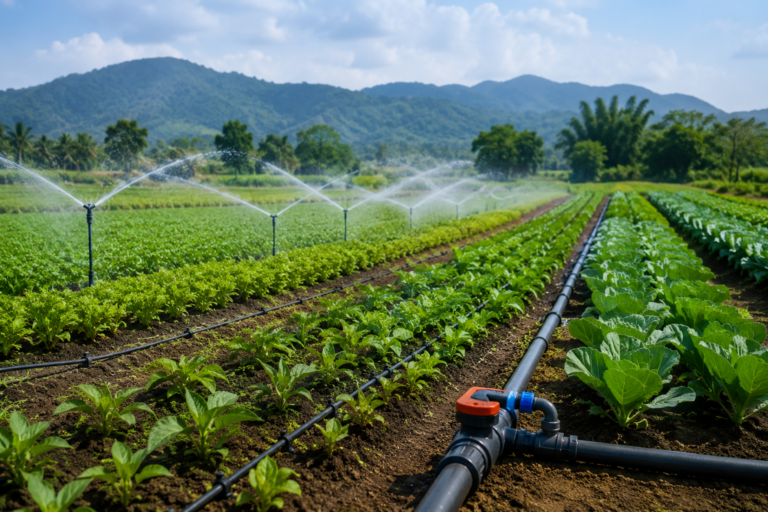
These systems may include:
- Soil moisture sensors
- Weather monitoring systems
- Automatic irrigation controllers
- Drip irrigation systems
- Sprinkler irrigation systems
- Mobile app monitoring
- IoT (Internet of Things) devices
The goal is simple: deliver the right amount of water at the right time.
Why India Needs Smart Irrigation Systems
India faces several agricultural challenges:
- Declining groundwater levels
- Uneven rainfall patterns
- Rising temperatures
- Increasing demand for food production
- Water scarcity in many farming regions
According to agricultural experts, a significant portion of irrigation water is wasted through evaporation, runoff, and overwatering. Smart irrigation helps solve these problems by improving water-use efficiency.
For Indian farmers, this means:
- Better water conservation
- Lower electricity consumption
- Improved crop quality
- Higher farm profitability
Key Benefits of Smart Irrigation Systems
1. Significant Water Savings
Water is becoming one of agriculture’s most valuable resources. Smart irrigation systems can reduce unnecessary water usage by ensuring crops receive only the required amount.
Benefits include:
- Reduced water wastage
- Lower groundwater extraction
- Sustainable farming practices
- Better water management
2. Higher Crop Yield
Consistent irrigation promotes healthy root development and stronger plant growth.
Farmers often experience:
- Improved crop quality
- Uniform plant growth
- Increased productivity
- Better harvests
Healthy crops produce better returns and reduce farming risks.
3. Lower Farming Costs
Smart irrigation helps farmers reduce operational expenses by minimizing:
- Water bills
- Electricity consumption
- Diesel pump usage
- Labour requirements
Automated irrigation systems also reduce manual monitoring, saving valuable time.
4. Better Soil Health
Overwatering can damage soil structure, reduce oxygen availability, and increase nutrient loss.
Smart irrigation maintains optimal soil moisture, helping:
- Prevent soil erosion
- Preserve soil nutrients
- Improve root development
- Reduce fertilizer runoff
Healthy soil leads to healthier crops.
Technologies Behind Smart Irrigation
Modern irrigation combines several advanced technologies.
Soil Moisture Sensors
These sensors measure moisture levels beneath the soil surface and activate irrigation only when required.
Advantages include:
- Accurate watering
- Reduced water waste
- Improved plant health
Weather-Based Controllers
These systems use real-time weather information such as:
- Rainfall
- Temperature
- Humidity
- Wind speed
The irrigation schedule automatically adjusts according to weather conditions.
IoT-Based Irrigation
Internet-connected irrigation systems allow farmers to monitor their fields remotely using smartphones.
Farmers can:
- Turn irrigation ON/OFF remotely
- Receive maintenance alerts
- Track water usage
- Monitor crop conditions
Automatic Sprinkler Systems
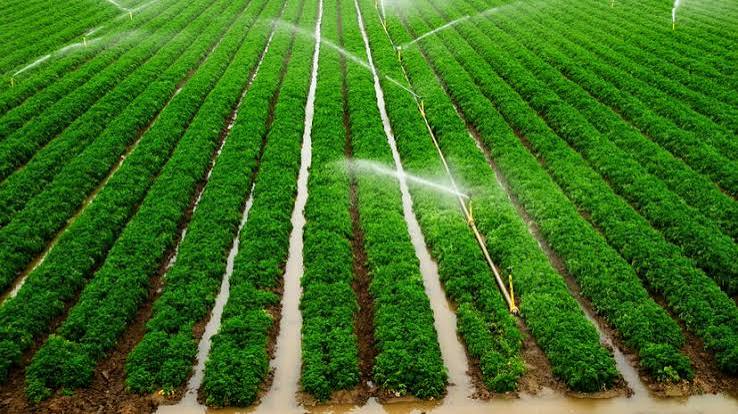
Modern sprinkler irrigation provides uniform water distribution across fields.
Benefits include:
- Wide coverage
- Uniform irrigation
- Easy installation
- Suitable for vegetables, cereals, and horticulture
Smart Irrigation vs Traditional Irrigation
| Feature | Traditional Irrigation | Smart Irrigation |
|---|---|---|
| Water Usage | High | Optimized |
| Labour | High | Low |
| Automation | No | Yes |
| Water Efficiency | Moderate | Excellent |
| Crop Health | Variable | Consistent |
| Monitoring | Manual | Remote |
Smart irrigation offers better efficiency, lower costs, and more consistent crop performance.
Crops That Benefit from Smart Irrigation
Smart irrigation is suitable for a wide range of crops, including:
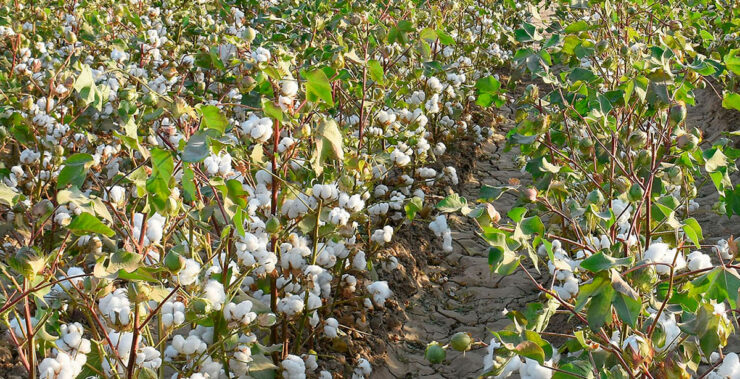
- Cotton
- Wheat
- Maize
- Sugarcane
- Groundnut
- Vegetables
- Fruits
- Flowers
- Tea
- Coffee
It is especially beneficial for high-value horticultural crops that require precise watering.
Smart Sprinkler Irrigation for Indian Farmers
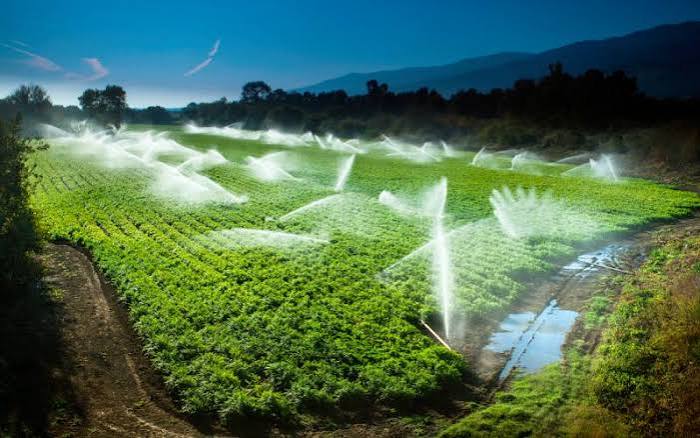
Sprinkler irrigation remains one of the most popular smart irrigation methods because it distributes water evenly across the field.
Its advantages include:
- Uniform watering
- Reduced labour
- Easy maintenance
- Better germination
- Improved crop quality
- Water conservation
Premium sprinkler systems are ideal for farms of all sizes and work effectively across different soil types.
Government Support for Modern Irrigation
The Government of India encourages efficient irrigation through various schemes that promote micro-irrigation and water conservation.
Farmers can often benefit from:
- Subsidies on irrigation equipment
- Water conservation initiatives
- Agricultural modernization programs
- Farmer training and awareness campaigns
Before purchasing an irrigation system, check with your local agriculture department for current eligibility and support.
Future of Smart Farming in India
Agriculture is becoming increasingly technology-driven.
Emerging innovations include:
- Artificial Intelligence (AI)
- Drone-based crop monitoring
- Satellite imaging
- GPS-guided farming
- Cloud-based irrigation management
- Predictive analytics
These technologies, combined with smart irrigation, will help Indian farmers produce more food using fewer resources.
Tips for Choosing the Right Smart Irrigation System
Before investing, consider:
- Farm size
- Crop type
- Water source
- Soil type
- Available budget
- Maintenance requirements
- Warranty and after-sales support
Choosing quality irrigation equipment from a trusted manufacturer ensures long-term performance and reliability.
Why Smart Irrigation Is the Future of Indian Agriculture
As water resources become increasingly limited, efficient irrigation is no longer optional—it’s essential. Smart irrigation systems empower farmers to make informed decisions, reduce water waste, improve crop productivity, and increase profitability.
Whether you manage a small family farm or a large agricultural operation, adopting modern irrigation technology is a practical step toward sustainable farming. By embracing smart irrigation today, Indian farmers can build a more resilient, productive, and water-efficient future.
Conclusion
Smart irrigation systems are reshaping agriculture in India by making farming more efficient, sustainable, and profitable. From conserving water to improving crop yields and reducing labour costs, these technologies offer long-term value for farmers facing modern agricultural challenges.
Investing in reliable smart irrigation systems is an investment in the future of farming. As India continues to embrace precision agriculture and sustainable water management, smart irrigation will play a vital role in ensuring food security and environmental conservation for generations to come.