Introduction
Agriculture is the backbone of global food production, but it also faces some of the greatest challenges of the modern era. Climate change, water scarcity, soil degradation, and rising production costs are forcing farmers to rethink traditional farming methods. As the world’s population continues to grow, the demand for food is increasing rapidly, making sustainable farming more important than ever.
Among the many innovations transforming agriculture, drip irrigation has emerged as one of the most effective and environmentally friendly solutions. By delivering water directly to plant roots in a controlled and efficient manner, drip irrigation helps farmers maximize productivity while minimizing resource consumption.
Today, governments, agricultural experts, and farmers worldwide recognize drip irrigation as a key technology for the future of sustainable farming. It not only conserves water but also improves crop yields, reduces environmental impact, and enhances farm profitability. This article explores why drip irrigation is considered the future of sustainable agriculture and how it is helping build a more resilient farming industry.
Understanding Drip Irrigation
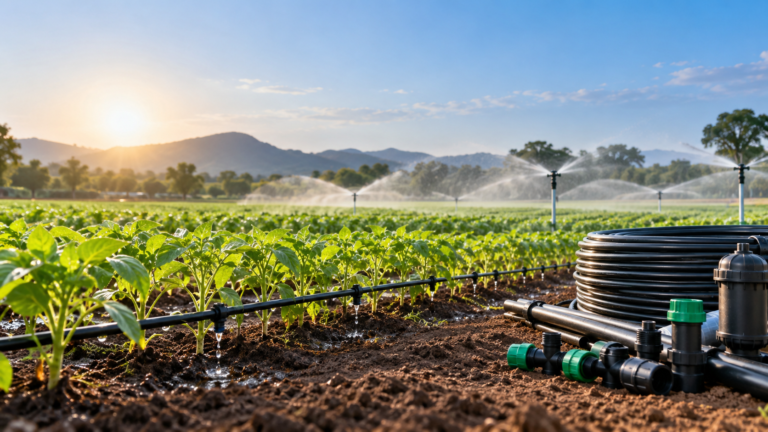
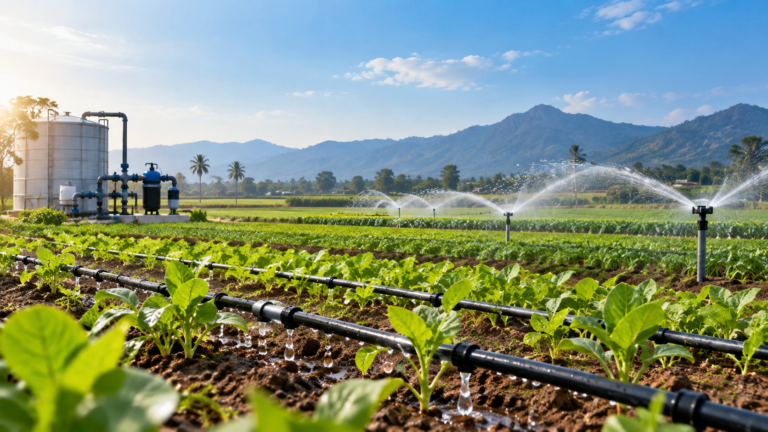
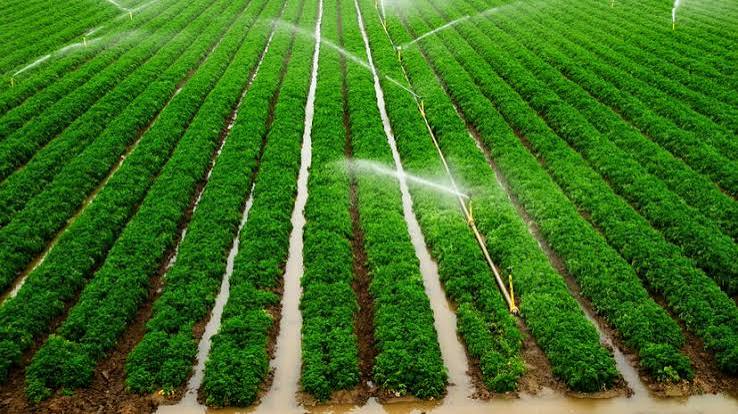
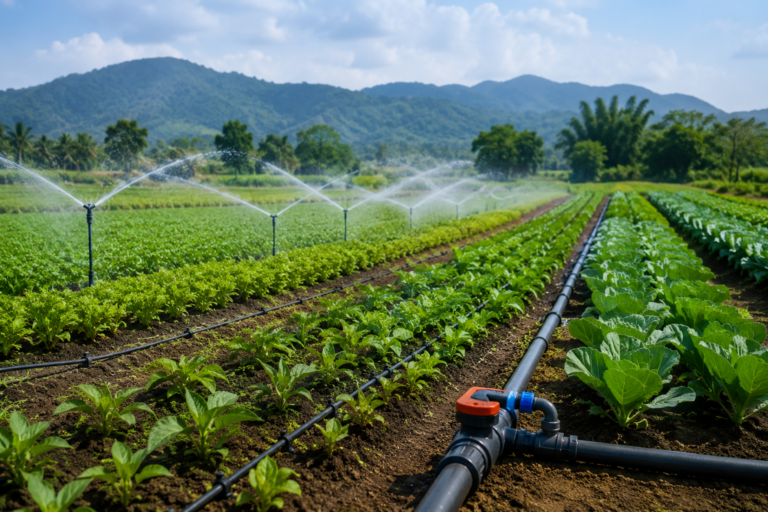
Drip irrigation is a precision irrigation system that delivers water slowly and directly to the root zone of plants through a network of pipes, emitters, valves, and tubing. Unlike traditional irrigation methods such as flood irrigation or sprinklers, drip irrigation focuses on providing the exact amount of water required by crops.
This targeted approach minimizes water waste and ensures that plants receive consistent moisture throughout their growth cycle. As a result, crops grow healthier while farmers use significantly fewer resources.
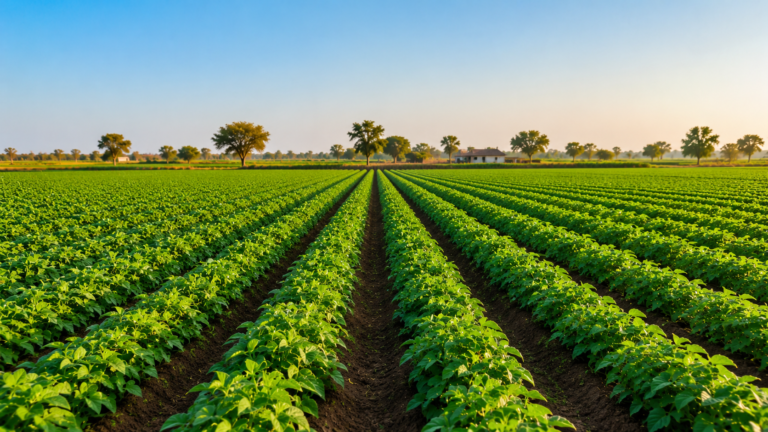
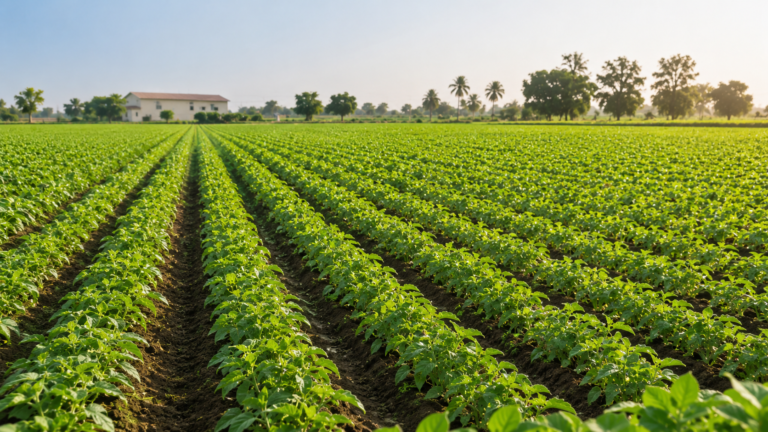
The technology can be used in various agricultural settings, including open fields, orchards, vineyards, vegetable farms, greenhouses, and polyhouses.
The Growing Need for Sustainable Farming
Modern agriculture faces unprecedented challenges. Water shortages are becoming more common in many regions, while climate change is creating unpredictable weather patterns that affect crop production.
According to global agricultural studies, farming accounts for a significant portion of freshwater consumption worldwide. Traditional irrigation methods often waste large amounts of water through evaporation, runoff, and inefficient distribution.
Sustainable farming aims to balance agricultural productivity with environmental conservation. Farmers must produce more food while using fewer resources and reducing their environmental footprint. Drip irrigation plays a critical role in achieving these goals.
Water Conservation: The Foundation of Sustainability
Water is one of the most valuable resources in agriculture. Without efficient water management, sustainable farming becomes impossible.
One of the biggest advantages of drip irrigation is its ability to conserve water. Traditional irrigation systems can lose substantial amounts of water before it reaches plant roots. In contrast, drip irrigation delivers water directly where it is needed most.
Many farms experience water savings of up to 50 percent after switching to drip irrigation systems. This reduction in water use is particularly important in drought-prone areas where water availability is limited.
By conserving water, farmers can maintain crop productivity while protecting natural water resources for future generations.
Increased Crop Yields and Better Quality Produce
Sustainability is not only about protecting resources; it is also about improving agricultural productivity. Drip irrigation creates ideal growing conditions by maintaining consistent soil moisture levels.
Plants that receive a steady supply of water experience less stress and can focus more energy on growth and fruit production. As a result, farmers often see higher yields and improved crop quality.
Fruits and vegetables grown under drip irrigation tend to be more uniform in size, color, and quality. This leads to higher market value and increased profitability for farmers.
Better productivity from the same amount of land is one of the key reasons why drip irrigation is considered a future-ready farming solution.
Reducing Soil Degradation
Healthy soil is essential for sustainable agriculture. Traditional irrigation methods can contribute to soil erosion, nutrient loss, and soil compaction.
Flood irrigation, for example, may wash away topsoil and valuable nutrients, reducing long-term soil fertility. Drip irrigation prevents these issues by applying water slowly and precisely.
The controlled application of water helps preserve soil structure and promotes healthy microbial activity. Improved soil health supports stronger root development and long-term agricultural productivity.
Protecting soil quality ensures that farmland remains productive for future generations.
Improved Fertilizer Efficiency Through Fertigation
Modern drip irrigation systems support a practice known as fertigation, which involves delivering fertilizers through the irrigation network.
Instead of spreading fertilizers across an entire field, nutrients are supplied directly to plant roots. This increases nutrient absorption and reduces fertilizer wastage.
Efficient fertilizer use offers several benefits:
- Lower fertilizer costs
- Improved crop nutrition
- Reduced nutrient runoff
- Decreased environmental pollution
- Better overall crop performance
By maximizing nutrient efficiency, drip irrigation contributes significantly to sustainable farming practices.
Lower Environmental Impact
Agriculture has a direct impact on the environment through water use, chemical runoff, and energy consumption. Sustainable farming seeks to minimize these impacts while maintaining food production.
Drip irrigation reduces environmental damage in several ways:
- Conserves freshwater resources
- Minimizes fertilizer leaching
- Reduces pesticide requirements
- Prevents soil erosion
- Lowers greenhouse gas emissions associated with water pumping
Because water and nutrients are applied more efficiently, fewer agricultural inputs are required. This creates a cleaner and more environmentally responsible farming system.
Supporting Climate Change Adaptation
Climate change is creating new challenges for farmers worldwide. Rising temperatures, changing rainfall patterns, and prolonged droughts can significantly affect crop production.
Drip irrigation helps farms become more resilient to climate-related risks by providing a reliable and efficient water supply. Even during periods of limited rainfall, farmers can maintain consistent crop growth through precise irrigation management.
Smart drip irrigation systems can also integrate with weather monitoring technologies, soil moisture sensors, and automated controls to optimize water use.
These advanced capabilities make drip irrigation an essential tool for climate-smart agriculture.
Reduced Weed Growth and Disease Pressure
Traditional irrigation methods often water large areas of soil, creating favorable conditions for weeds and plant diseases.
Drip irrigation targets only the crop root zone, leaving surrounding areas relatively dry. This reduces weed growth and limits competition for nutrients and water.
Additionally, because plant foliage remains dry, the risk of fungal and bacterial diseases decreases significantly. Healthier plants require fewer chemical treatments, reducing both costs and environmental impact.
Lower pesticide use aligns perfectly with sustainable farming objectives.
Economic Sustainability for Farmers
For any agricultural technology to be truly sustainable, it must also be financially viable. Drip irrigation offers substantial economic benefits that help farmers remain profitable.
These benefits include:
- Reduced water bills
- Lower labor costs
- Improved fertilizer efficiency
- Higher crop yields
- Better product quality
- Increased farm income
Although installing a drip irrigation system requires an initial investment, the long-term savings and productivity gains often provide an excellent return on investment.
Many governments also offer subsidies and financial assistance programs to encourage farmers to adopt water-efficient irrigation technologies.
The Future of Smart Agriculture
The future of farming lies in precision agriculture and smart resource management. Drip irrigation serves as a foundation for many modern farming technologies.
Today’s advanced systems can be integrated with:
- Soil moisture sensors
- Weather forecasting tools
- Automated controllers
- Mobile monitoring applications
- Internet of Things (IoT) technology
- Artificial Intelligence (AI) farming solutions
These innovations allow farmers to make data-driven decisions that maximize efficiency and sustainability.
As technology continues to evolve, drip irrigation will remain at the center of modern agricultural development.
Conclusion
Drip irrigation is transforming agriculture by providing a sustainable, efficient, and profitable solution to many of the challenges facing modern farmers. Its ability to conserve water, improve crop yields, protect soil health, reduce environmental impact, and support climate resilience makes it one of the most important agricultural innovations of our time.
As global demand for food continues to grow and natural resources become increasingly limited, sustainable farming practices will play a critical role in ensuring long-term food security. Drip irrigation offers a practical pathway toward achieving these goals while helping farmers remain productive and profitable.
For farmers looking to embrace the future of agriculture, investing in drip irrigation is not just a smart choice—it is a necessary step toward building a more sustainable and resilient farming industry.