Agriculture is the backbone of food production, and water is one of its most essential resources. Whether growing fruits, vegetables, grains, or cash crops, farmers rely heavily on a consistent water supply to ensure healthy plant growth and maximum productivity. However, with increasing water scarcity, unpredictable weather patterns, and rising farming costs, traditional irrigation methods are often no longer sufficient.
An efficient irrigation system has become a necessity rather than a luxury for modern farming. It helps farmers use water wisely, improve crop yields, reduce costs, and create a more sustainable agricultural operation. In today’s competitive agricultural environment, investing in the right irrigation solution can make a significant difference in both short-term profits and long-term farm success.
Understanding Efficient Irrigation Systems
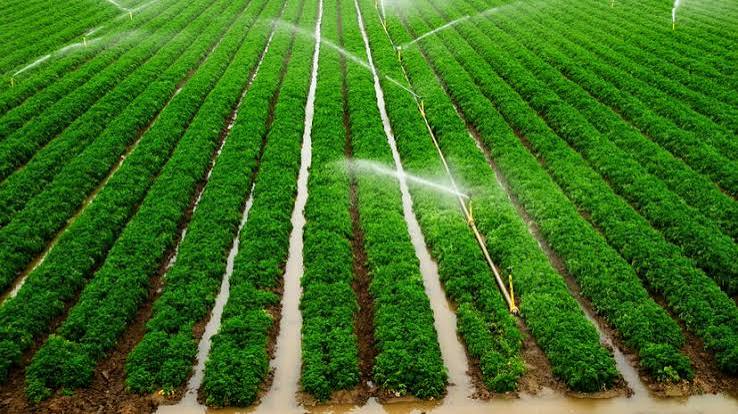
An efficient irrigation system is designed to deliver the right amount of water to crops at the right time and in the right place. Unlike traditional methods that may result in water wastage through runoff, evaporation, or uneven distribution, modern irrigation systems ensure that water reaches plant roots effectively.
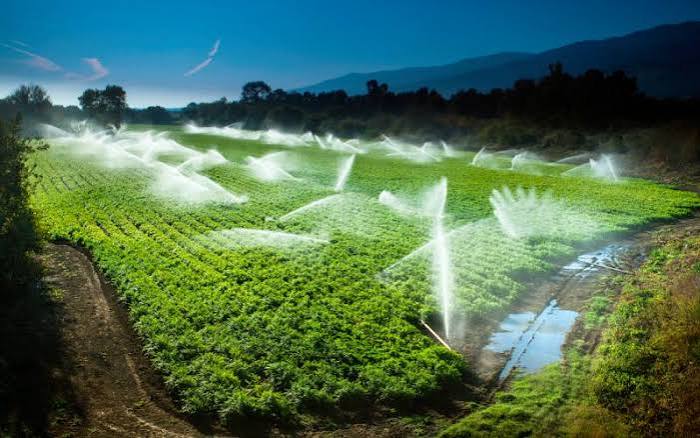
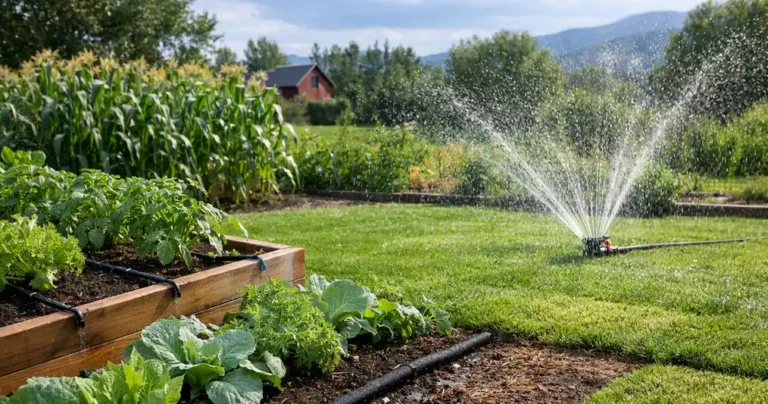
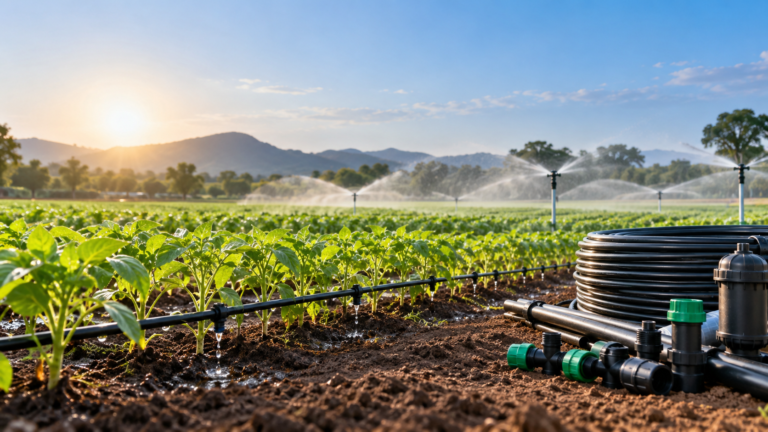
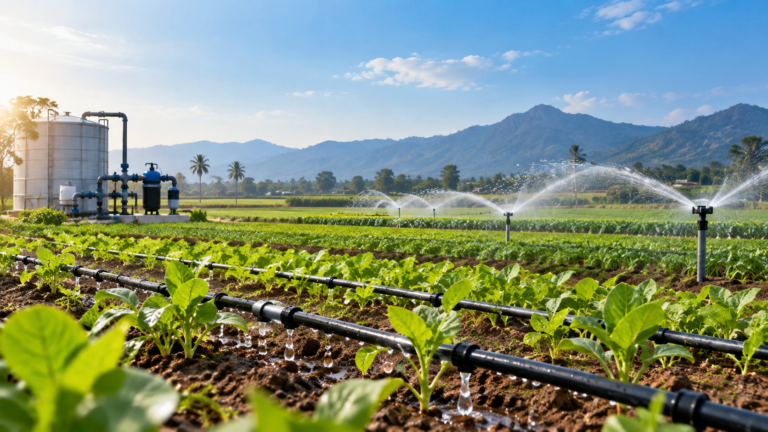
Popular efficient irrigation systems include:
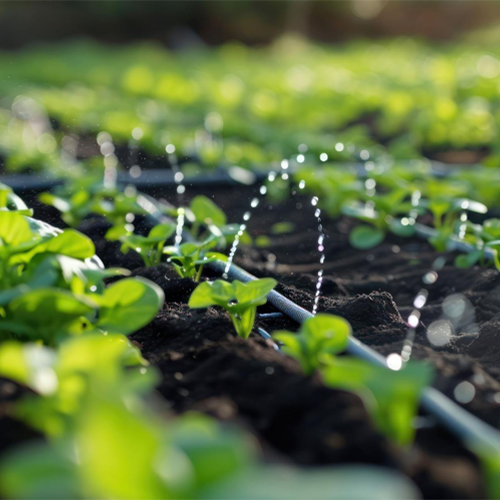
- Drip Irrigation
- Sprinkler Irrigation
- Center Pivot Irrigation
- Micro Irrigation Systems
- Subsurface Irrigation
These systems are specifically developed to maximize water-use efficiency while supporting healthy crop growth.
The Growing Importance of Water Conservation
Water resources are becoming increasingly limited in many agricultural regions around the world. Climate change, drought conditions, and population growth are placing additional pressure on available freshwater supplies.
Farmers who use inefficient irrigation methods often lose significant amounts of water through:
- Surface runoff
- Deep percolation
- Wind drift
- Evaporation
Efficient irrigation systems minimize these losses by delivering water directly where it is needed most. This not only conserves water but also helps farmers maintain production even during periods of limited rainfall.
By reducing water waste, farmers contribute to environmental sustainability while protecting their operations from future water shortages.
Increased Crop Yield and Productivity
One of the biggest advantages of an efficient irrigation system is improved crop performance. Crops require consistent moisture levels throughout their growth cycle. Too little water can stunt growth, while excessive watering can damage roots and reduce yields.
Modern irrigation systems provide precise water application, ensuring that crops receive optimal hydration.
Benefits Include:
- Faster plant growth
- Improved root development
- Better nutrient absorption
- Uniform crop quality
- Higher yields per acre
When crops receive the correct amount of water at the right time, they are better equipped to withstand environmental stress and produce higher-quality harvests.
For commercial farmers, even a small increase in yield can result in substantial improvements in profitability.
Reduced Farming Costs
Although installing an advanced irrigation system requires an initial investment, it often leads to significant long-term savings.
Lower Water Bills
Efficient irrigation systems use less water than traditional flooding or manual watering methods. Reduced water consumption directly lowers irrigation expenses.
Reduced Labor Requirements
Automated irrigation systems eliminate much of the manual work associated with watering crops. Farmers spend less time managing irrigation and more time focusing on other important farm activities.
Lower Energy Consumption
Modern systems are designed to operate efficiently, helping reduce pumping and energy costs.
Reduced Fertilizer Waste
Many irrigation systems support fertigation, allowing nutrients to be delivered directly through irrigation lines. This improves fertilizer efficiency and reduces waste.
These cost savings can significantly improve a farm’s overall profitability over time.
Better Soil Health
Healthy soil is the foundation of successful farming. Poor irrigation practices can lead to numerous soil-related problems, including erosion, compaction, nutrient loss, and salinity buildup.
Efficient irrigation systems help protect soil quality by providing controlled water application.
Benefits for Soil Include:
- Reduced soil erosion
- Improved moisture retention
- Better soil structure
- Enhanced microbial activity
- Reduced nutrient leaching
Maintaining healthy soil not only improves current crop performance but also supports long-term agricultural productivity.
Improved Crop Quality
Modern markets demand high-quality agricultural products. Consumers and buyers expect fruits, vegetables, and grains that are consistent in size, appearance, and nutritional value.
Proper irrigation plays a critical role in achieving these standards.
Efficient irrigation systems help:
- Produce uniform crops
- Improve fruit size and quality
- Enhance color and appearance
- Increase market value
- Reduce crop defects
For farmers supplying supermarkets, exporters, or food processing companies, crop quality can directly impact revenue and customer satisfaction.
Protection Against Unpredictable Weather
Weather conditions have become increasingly unpredictable in recent years. Extended droughts, irregular rainfall, and extreme temperatures can severely affect agricultural production.
An efficient irrigation system provides farmers with greater control over water management regardless of weather conditions.
Key Advantages Include:
- Reliable water supply during dry periods
- Reduced dependence on rainfall
- Better drought resilience
- Increased production stability
Rather than relying solely on natural precipitation, farmers can maintain consistent crop growth throughout the season.
This stability is especially important for commercial farming operations that depend on predictable harvests.
Enhanced Nutrient Management
Plants require water not only for growth but also for nutrient absorption. Efficient irrigation systems improve nutrient availability by maintaining optimal soil moisture levels.
Many modern systems allow fertilizers to be applied directly through irrigation lines, a process known as fertigation.
Benefits of Fertigation Include:
- Precise nutrient delivery
- Reduced fertilizer waste
- Improved nutrient uptake
- Lower labor costs
- Better crop performance
This integrated approach improves both irrigation efficiency and overall farm management.
Support for Sustainable Agriculture
Sustainability has become a major focus in modern agriculture. Farmers are increasingly expected to produce more food while minimizing environmental impact.
Efficient irrigation systems support sustainable farming by:
- Conserving water resources
- Reducing chemical runoff
- Lowering energy consumption
- Protecting soil health
- Improving resource efficiency
By adopting sustainable irrigation practices, farmers can contribute to environmental conservation while maintaining profitable operations.
Many government programs and agricultural organizations also encourage the adoption of water-efficient technologies through incentives and support programs.
Integration with Smart Farming Technology
Agriculture is becoming increasingly technology-driven. Modern irrigation systems can be integrated with advanced farming tools that provide real-time data and automation.
Smart Irrigation Technologies Include:
Soil Moisture Sensors
Monitor moisture levels and trigger irrigation only when necessary.
Weather Monitoring Systems
Adjust irrigation schedules based on rainfall, humidity, and temperature forecasts.
Remote Management Applications
Allow farmers to control irrigation systems from smartphones or computers.
Automated Controllers
Optimize water application without constant supervision.
These technologies help farmers make data-driven decisions that improve efficiency and reduce operational costs.
Long-Term Return on Investment
While the upfront cost of an irrigation system may seem significant, the long-term benefits often far outweigh the initial expense.
Farmers typically experience returns through:
- Higher crop yields
- Reduced water consumption
- Lower labor costs
- Improved crop quality
- Increased farm profitability
Over time, these benefits create a strong return on investment while improving the overall sustainability of the farming operation.
Conclusion
An efficient irrigation system is one of the most valuable investments a farmer can make. It helps conserve water, improve crop yields, reduce operating costs, enhance soil health, and support sustainable agricultural practices. In an era of changing climate conditions and increasing demand for food production, effective water management has become essential for farming success.
Whether operating a small family farm or a large commercial agricultural enterprise, farmers who adopt efficient irrigation systems gain a significant advantage in productivity, profitability, and long-term sustainability. By investing in modern irrigation technology today, farmers can secure a more productive and resilient future for their farms and contribute to the sustainable growth of agriculture worldwide.