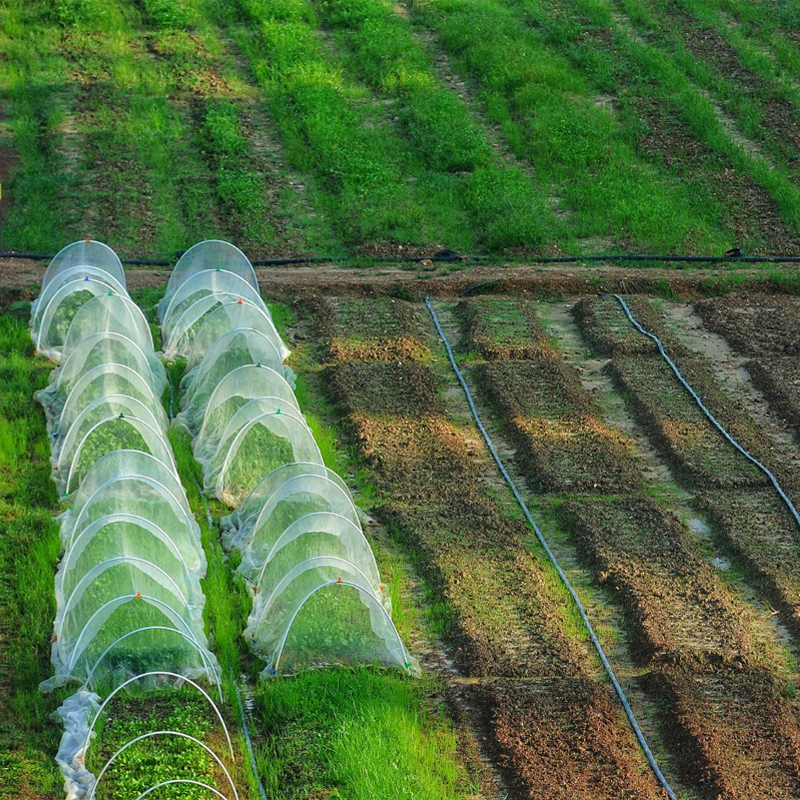
Water is one of the most valuable resources in agriculture, and using it efficiently has become more important than ever. With increasing water scarcity, changing climate conditions, and the growing demand for food production, farmers need innovative solutions to m
aximize crop yields while conserving natural resources. Smart irrigation techniques combine modern technology, automation, and data-driven decision-making to deliver the right amount of water at the right time.
Unlike traditional irrigation methods that often lead to water wastage and uneven crop growth, smart irrigation systems help improve water efficiency, reduce operational costs, and enhance overall farm productivity. Whether managing a small farm or a large agricultural operation, adopting smart irrigation practices can significantly improve crop performance and long-term sustainability.
What Is Smart Irrigation?
Smart irrigation is an advanced approach to watering crops using modern technologies such as sensors, automated controllers, weather monitoring systems, and Internet of Things (IoT) devices. These technologies monitor soil moisture, weather conditions, and crop water requirements to determine the ideal irrigation schedule.
Instead of watering crops based on fixed timings, smart irrigation systems apply water only when necessary. This precision reduces water waste while ensuring that plants receive adequate moisture for healthy growth.
Why Smart Irrigation Matters
Agriculture consumes a significant portion of the world’s freshwater resources. Traditional irrigation methods often result in water loss through evaporation, runoff, and overwatering. Smart irrigation addresses these challenges by optimizing water use and improving irrigation efficiency.
Some of the key benefits include:
- Reduced water consumption
- Improved crop health
- Higher crop yields
- Lower labor requirements
- Better nutrient management
- Reduced energy costs
- Increased farm profitability
- Environmentally sustainable farming
As water becomes an increasingly valuable resource, smart irrigation is becoming an essential investment for modern agriculture.
Top Smart Irrigation Techniques
1. Drip Irrigation Systems
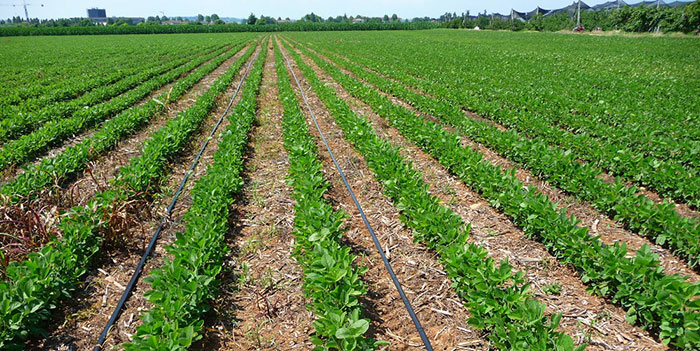
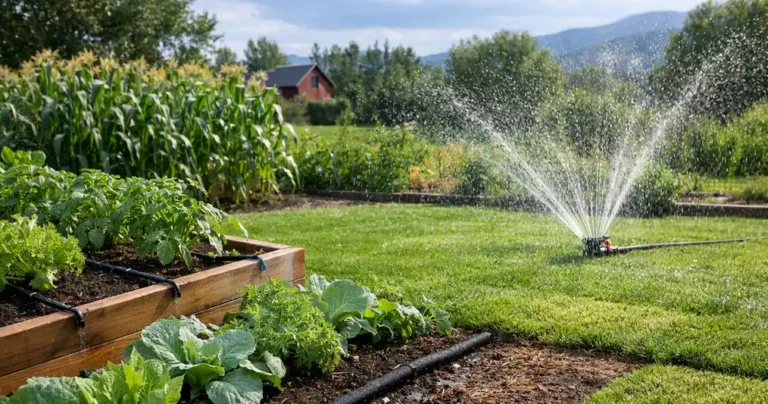
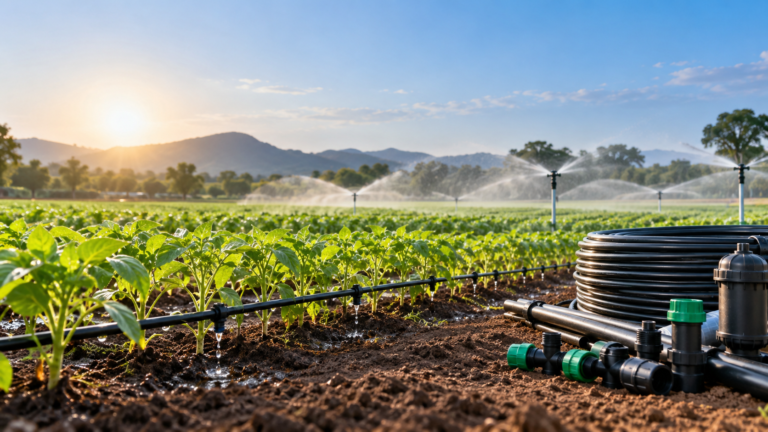
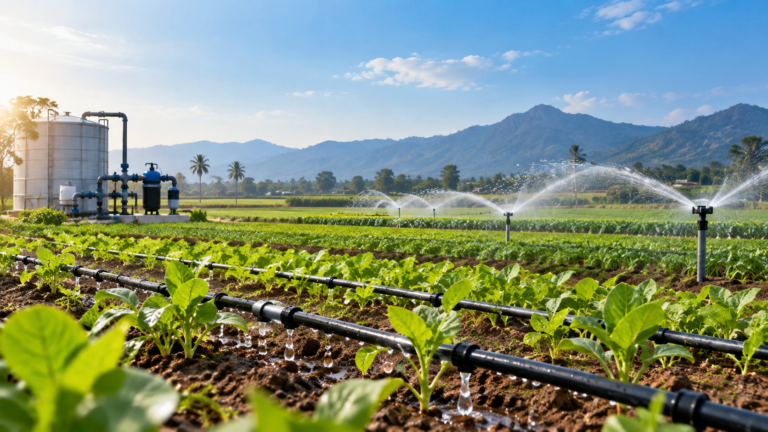
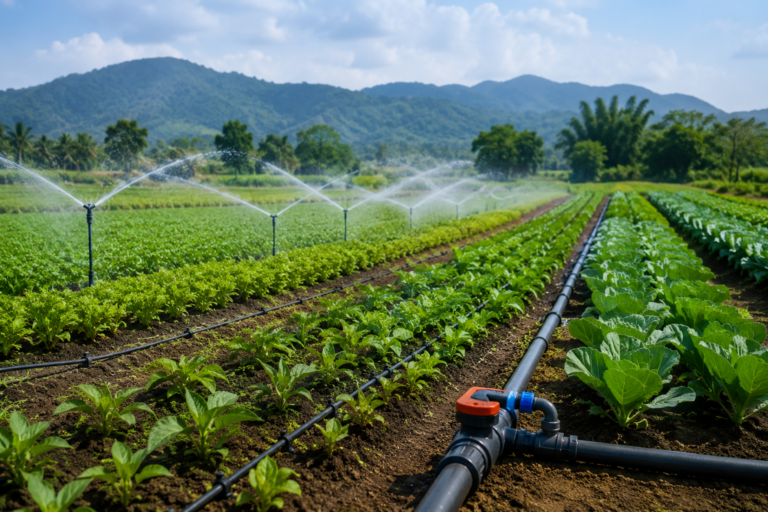
Drip irrigation is one of the most efficient irrigation techniques available today. Water is delivered slowly and directly to the root zone through pipes, tubing, and emitters.
Benefits
- Saves significant amounts of water
- Reduces evaporation losses
- Improves root development
- Minimizes weed growth
- Supports fertigation for better nutrient delivery
Drip irrigation is suitable for vegetables, orchards, vineyards, plantations, and greenhouse crops.
2. Soil Moisture Sensors
Soil moisture sensors continuously monitor moisture levels in the soil and provide real-time data to irrigation systems.
Instead of watering on a fixed schedule, irrigation starts only when the soil moisture falls below the required level.
Advantages
- Prevents overwatering
- Conserves water
- Improves plant health
- Reduces irrigation costs
- Enhances crop productivity
This technology allows farmers to make informed irrigation decisions based on actual field conditions.
3. Weather-Based Irrigation Controllers
Weather plays a major role in determining crop water requirements. Modern irrigation controllers use weather forecasts and local climate data to automatically adjust irrigation schedules.
These systems consider factors such as:
- Rainfall
- Temperature
- Humidity
- Wind speed
- Solar radiation
By avoiding unnecessary irrigation before or after rainfall, farmers can significantly reduce water waste.
4. Automated Irrigation Systems
Automation has transformed modern agriculture. Automated irrigation systems control valves, pumps, and sprinklers without manual intervention.
Benefits include:
- Consistent irrigation schedules
- Reduced labor requirements
- Better water distribution
- Increased operational efficiency
- Remote management capabilities
Farmers can monitor and control irrigation using smartphones, tablets, or computers from virtually anywhere.
5. Precision Irrigation
Precision irrigation applies different amounts of water to different areas of a field based on crop needs and soil conditions.
Using satellite imagery, GPS technology, and field sensors, farmers can identify areas requiring additional irrigation while reducing water application in healthier zones.
This targeted approach improves resource efficiency and increases overall crop performance.
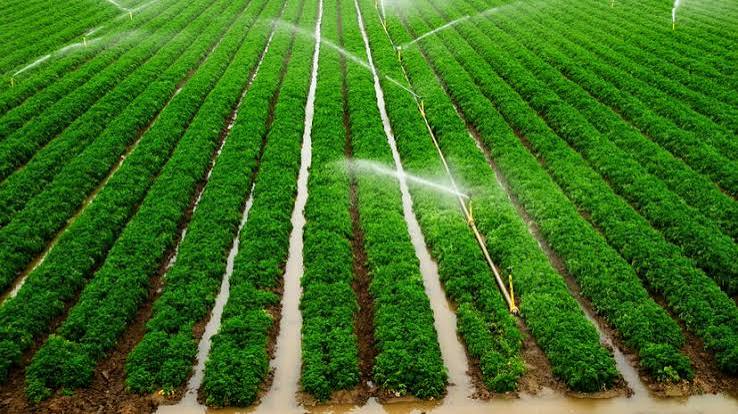
6. Smart Sprinkler Systems
Modern sprinkler systems include advanced features such as pressure regulation, programmable controllers, and automated scheduling.
Compared to conventional sprinklers, smart sprinkler systems provide:
- Uniform water distribution
- Reduced runoff
- Better water efficiency
- Lower maintenance requirements
- Improved irrigation accuracy
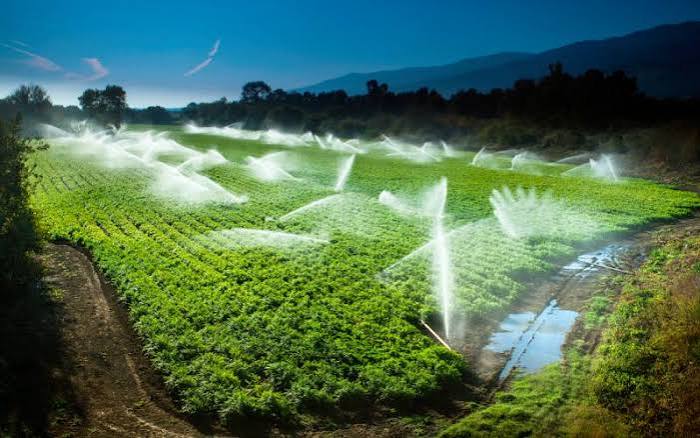
These systems work well for field crops, lawns, and large agricultural areas.
The Role of IoT in Smart Irrigation
The Internet of Things (IoT) has revolutionized irrigation management. IoT devices collect real-time data from fields and communicate with irrigation controllers automatically.
IoT-enabled irrigation systems provide:
- Live monitoring
- Automatic scheduling
- Remote control
- Data analysis
- Early detection of irrigation problems
This technology helps farmers optimize water usage while reducing manual monitoring.
Benefits of Smart Irrigation for Crop Yield
Improved Water Efficiency
Smart irrigation delivers water exactly where and when it is needed. This reduces wastage and maximizes water-use efficiency.
Healthier Crops
Maintaining consistent soil moisture supports stronger root systems, healthier plants, and improved resistance to environmental stress.
Higher Productivity
Proper irrigation encourages better flowering, fruit development, and crop maturity, resulting in increased yields.
Lower Production Costs
Reducing water, energy, fertilizer, and labor costs improves farm profitability while maintaining high-quality production.
Better Nutrient Management
Smart irrigation systems often integrate with fertigation, allowing nutrients to be delivered efficiently through irrigation lines.
This improves nutrient uptake while reducing fertilizer losses.
Environmental Benefits
Smart irrigation contributes significantly to environmental sustainability.
Key environmental advantages include:
- Conserves freshwater resources
- Reduces groundwater depletion
- Prevents soil erosion
- Minimizes chemical runoff
- Reduces carbon emissions through lower energy consumption
- Supports long-term agricultural sustainability
Responsible water management helps protect ecosystems while ensuring future agricultural productivity.
Choosing the Right Smart Irrigation System
Selecting the most suitable irrigation system depends on several important factors.
Crop Type
Different crops require different irrigation methods. High-value crops often benefit from drip irrigation, while field crops may be better suited to smart sprinkler systems.
Soil Type
Soil texture influences water retention and drainage. Understanding soil conditions helps determine the most effective irrigation strategy.
Farm Size
Large commercial farms may require automated center pivot systems, while smaller farms often achieve excellent results with drip irrigation.
Water Availability
Regions experiencing water shortages should prioritize highly efficient irrigation methods that minimize waste.
Budget
Farmers should consider installation costs, maintenance expenses, and long-term savings when choosing an irrigation system.
Future of Smart Irrigation
The future of agriculture is increasingly driven by digital technology. Artificial intelligence, machine learning, drones, satellite monitoring, and predictive analytics are expected to make irrigation even more efficient.
Future irrigation systems may automatically analyze crop health, predict water requirements, and adjust irrigation schedules without human intervention.
These innovations will help farmers increase food production while conserving valuable natural resources.
Conclusion
Smart irrigation techniques are transforming modern agriculture by improving water efficiency, reducing production costs, and increasing crop yields. Technologies such as drip irrigation, soil moisture sensors, automated controllers, weather-based scheduling, precision irrigation, and IoT monitoring enable farmers to make informed decisions and optimize water use.
As climate challenges and water scarcity continue to affect agriculture, adopting smart irrigation is no longer just an option—it is a necessity. By investing in advanced irrigation technologies, farmers can improve productivity, protect the environment, and build a more sustainable future for agriculture.