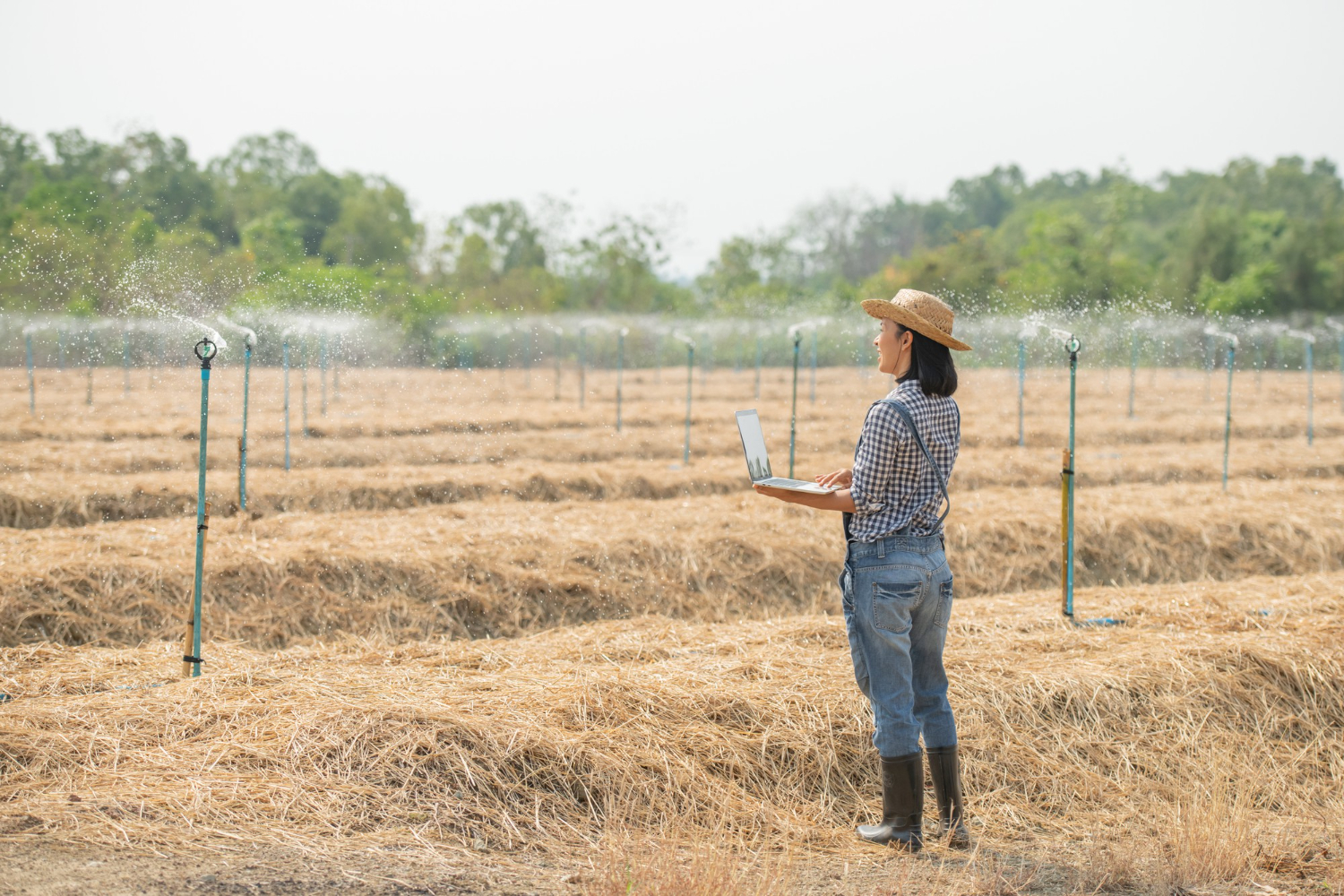
Rajasthan is one of India’s most agriculturally significant states, yet it also faces some of the country’s greatest water challenges. Low rainfall, extreme summer temperatures, high evaporation rates, and frequent drought conditions make water management a critical aspect of successful farming. For farmers in Rajasthan, choosing an efficient irrigation method is not just about increasing crop yields—it is about ensuring long-term agricultural sustainability.
Modern irrigation technologies have transformed farming across the state by helping farmers use every drop of water wisely. From drip irrigation to smart irrigation systems, efficient irrigation methods are enabling higher productivity while reducing water consumption. This guide explores the most effective irrigation methods for Rajasthan’s dry climate and explains how they can benefit farmers.
Why Efficient Irrigation Is Essential in Rajasthan
Agriculture in Rajasthan depends heavily on groundwater, canals, reservoirs, and seasonal rainfall. However, limited water availability makes efficient irrigation a necessity.
Traditional flood irrigation often results in:
- Excessive water wastage
- High evaporation losses
- Uneven water distribution
- Soil erosion
- Nutrient leaching
- Increased farming costs
Efficient irrigation systems overcome these challenges by delivering water directly to crops with minimal loss.
Benefits of Efficient Irrigation
- Conserves water resources
- Improves crop yields
- Enhances soil health
- Reduces labor costs
- Increases fertilizer efficiency
- Supports sustainable farming
- Improves farm profitability
1. Drip Irrigation
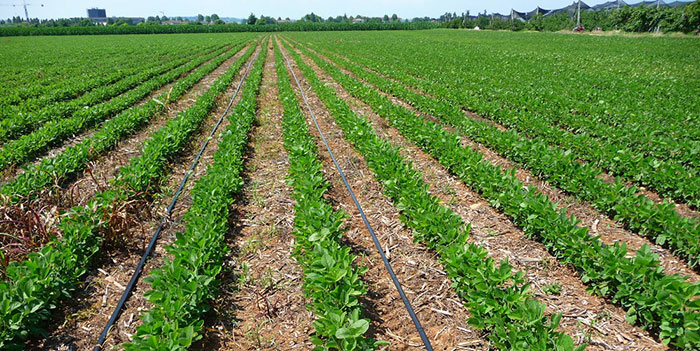
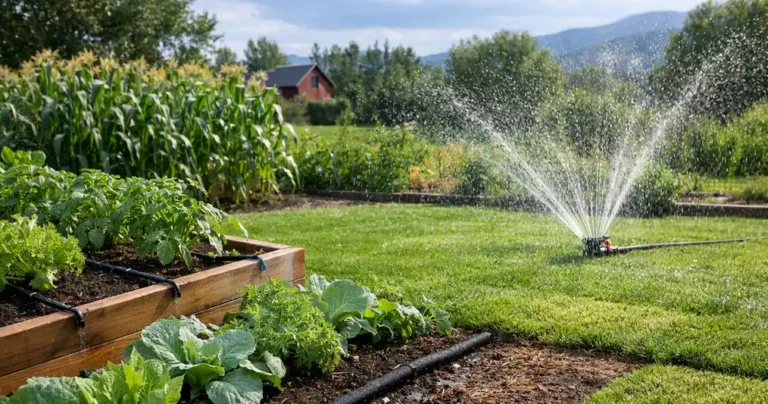
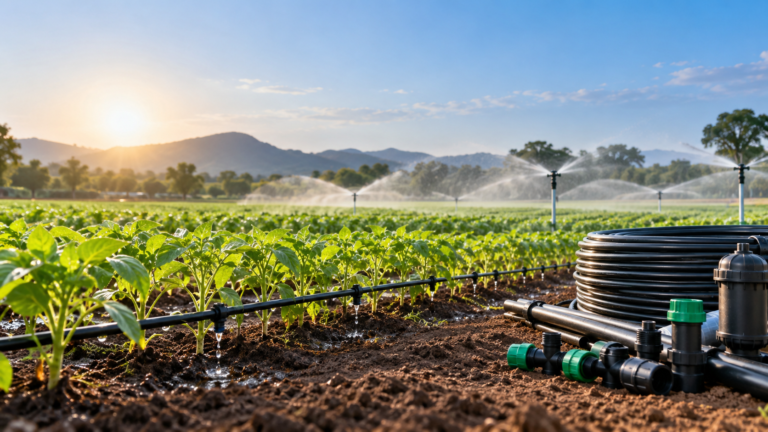
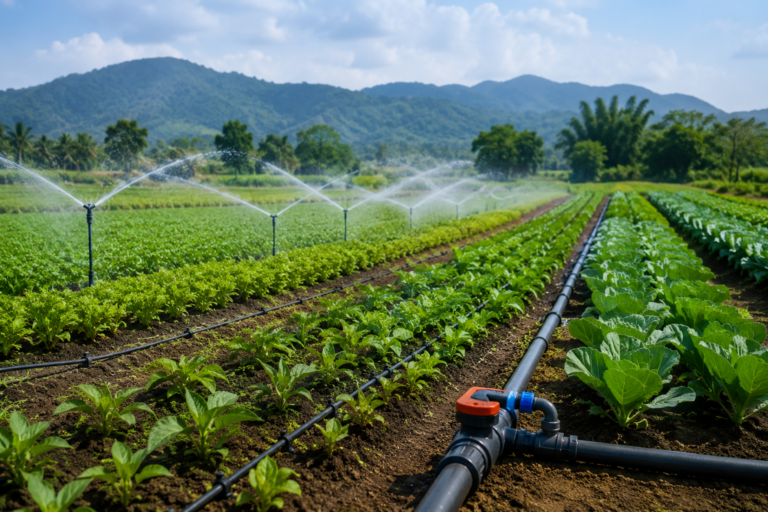
Drip irrigation is widely recognized as the most water-efficient irrigation method for Rajasthan’s dry climate. Water is supplied slowly through emitters directly to the plant’s root zone.
Advantages
- Saves up to 70% of water compared to traditional irrigation
- Reduces evaporation losses
- Prevents weed growth
- Improves crop quality
- Supports fertigation
- Minimizes soil erosion
This method is ideal for:
- Pomegranate
- Citrus
- Cotton
- Vegetables
- Orchards
- Vineyards
- Greenhouses
Because water reaches only the root zone, plants receive adequate moisture without unnecessary water loss.
2. Sprinkler Irrigation
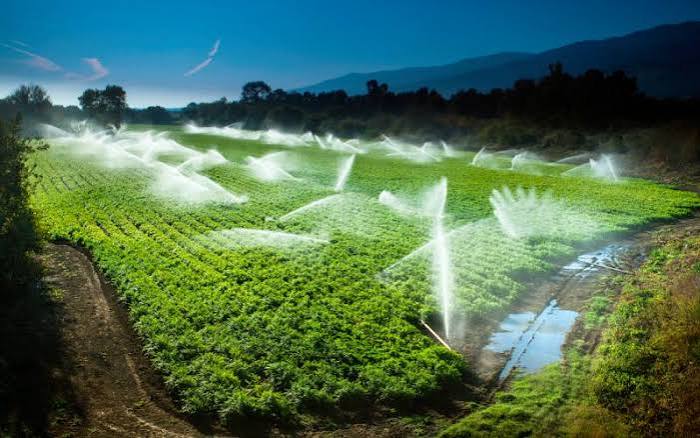
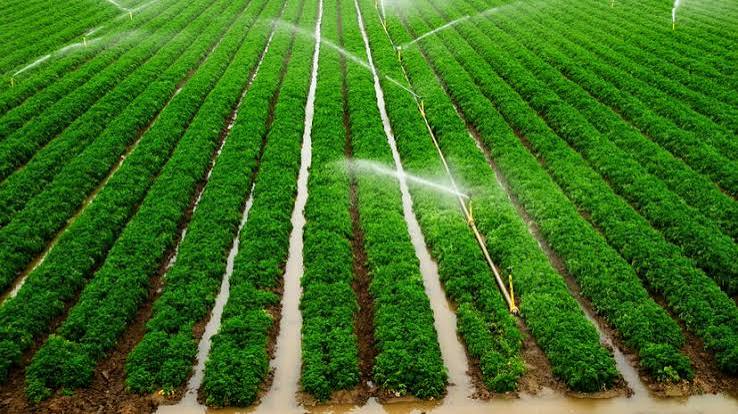
Sprinkler irrigation distributes water uniformly across agricultural fields using pressurized sprinklers.
It works especially well in Rajasthan’s sandy soils where water infiltration is rapid.
Benefits
- Uniform irrigation
- Suitable for uneven land
- Lower labor requirements
- Easy installation
- Reduced water wastage
- Better moisture management
Sprinkler irrigation is commonly used for:
- Wheat
- Bajra
- Mustard
- Fodder crops
- Vegetables
Modern sprinkler systems can also be automated for greater efficiency.
3. Micro Irrigation Systems
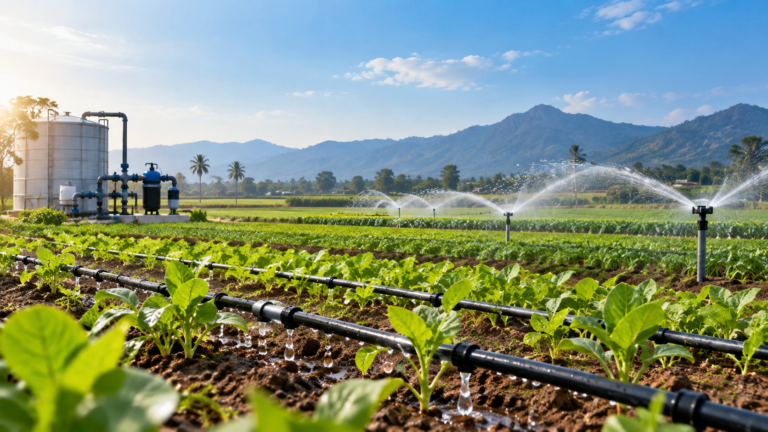
Micro irrigation is an umbrella term that includes drip irrigation, micro sprinklers, bubblers, and mini sprinklers.
These systems apply water slowly and precisely according to crop requirements.
Key Benefits
- Maximum water-use efficiency
- Improved crop growth
- Reduced fertilizer loss
- Lower operating costs
- Better root development
Micro irrigation is particularly suitable for horticulture and commercial farming.
4. Rain Gun Irrigation
Rain gun irrigation uses high-pressure sprinklers capable of irrigating large agricultural fields quickly.
Advantages
- Covers large areas
- Portable equipment
- Uniform water application
- Easy operation
- Reduced labor
Rain gun systems are suitable for:
- Groundnut
- Wheat
- Maize
- Fodder crops
- Large open fields
They provide an excellent solution for medium and large farms.
5. Smart Irrigation Systems
Technology has become an essential part of modern agriculture. Smart irrigation systems use sensors and automation to improve water management.
These systems monitor:
- Soil moisture
- Weather conditions
- Temperature
- Humidity
- Crop water requirements
Water is supplied only when necessary, preventing overwatering and reducing wastage.
Benefits
- Higher irrigation accuracy
- Reduced labor
- Lower water consumption
- Better crop performance
- Remote monitoring
Smart irrigation is becoming increasingly popular among progressive farmers in Rajasthan.
Precision Irrigation
Precision irrigation combines advanced technologies such as GPS, satellite imagery, drones, and field sensors.
Farmers receive detailed information about different areas of the field and irrigate accordingly.
Benefits Include
- Site-specific irrigation
- Better resource utilization
- Increased crop productivity
- Lower operating costs
- Improved sustainability
This technology is especially valuable for large commercial farms.
Choosing the Right Irrigation Method
Every farm has unique requirements. Selecting the best irrigation system depends on several factors.
Crop Type
Fruit crops benefit from drip irrigation, while cereals often perform better with sprinkler irrigation.
Soil Type
Sandy soils require frequent but controlled watering, making drip irrigation highly effective.
Water Source
Groundwater availability, canal irrigation, rainwater harvesting, and reservoirs all influence irrigation system selection.
Farm Size
Small farms often benefit from drip systems, while larger farms may use sprinklers or rain guns.
Budget
Farmers should compare installation costs with long-term savings on water, labor, and fertilizer.
Water Conservation Strategies
Efficient irrigation becomes even more effective when combined with good water management practices.
Farmers can conserve additional water by:
- Harvesting rainwater
- Using mulching techniques
- Monitoring soil moisture
- Irrigating during early morning or evening
- Repairing leaks promptly
- Regularly maintaining irrigation equipment
These simple practices further improve irrigation efficiency.
Government Support for Modern Irrigation
To promote water conservation, various government schemes encourage farmers to adopt modern irrigation systems.
Financial assistance may be available for:
- Drip irrigation
- Sprinkler irrigation
- Micro irrigation
- Solar-powered irrigation pumps
- Water storage structures
These initiatives help reduce installation costs and encourage sustainable agriculture.
Farmers should consult their local agriculture department for the latest subsidy programs and eligibility criteria.
Environmental Benefits
Efficient irrigation methods not only improve farm productivity but also protect natural resources.
Environmental advantages include:
- Reduced groundwater depletion
- Lower soil erosion
- Better water conservation
- Reduced fertilizer runoff
- Lower energy consumption
- Improved ecosystem protection
Responsible irrigation practices contribute to a healthier agricultural environment for future generations.
Future of Irrigation in Rajasthan
As climate conditions continue to change, efficient irrigation will become even more important. Innovations such as artificial intelligence, Internet of Things (IoT), automated irrigation controllers, weather forecasting systems, and satellite-based monitoring are transforming agriculture.
These technologies enable farmers to make data-driven irrigation decisions that maximize productivity while conserving water.
The future of farming in Rajasthan depends on adopting modern irrigation solutions that balance agricultural growth with environmental sustainability.
Conclusion
Efficient irrigation methods are essential for successful farming in Rajasthan’s dry climate. Drip irrigation, sprinkler irrigation, micro irrigation, rain gun systems, and smart irrigation technologies provide farmers with practical solutions to overcome water scarcity and improve crop production.
By selecting the right irrigation method based on crop type, soil conditions, and water availability, farmers can reduce water wastage, increase yields, lower production costs, and build more sustainable farming operations. Investing in modern irrigation technology today is an investment in the future of Rajasthan’s agriculture, ensuring better productivity, improved profitability, and responsible use of precious water resources for generations to come.