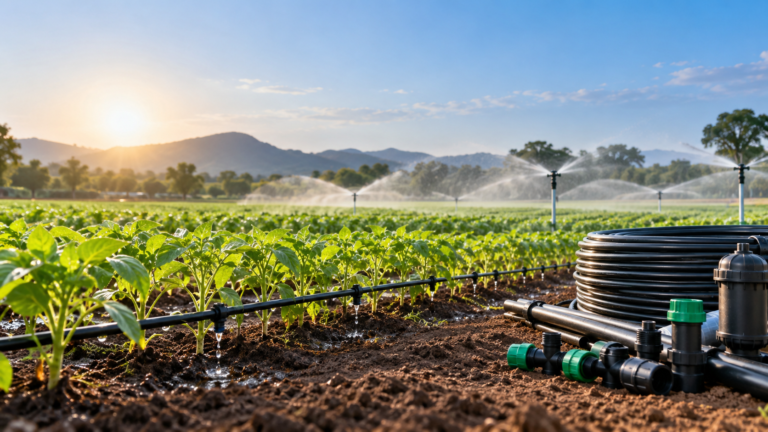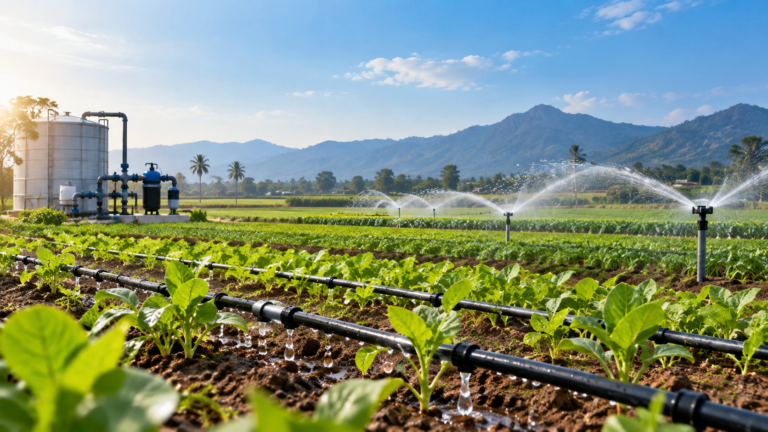
Modern irrigation systems are designed to deliver water efficiently, reduce waste, and improve crop productivity. However, even the most advanced irrigation network can face performance issues if trapped air is allowed to accumulate inside pipelines. Air pockets can reduce water flow, increase pressure fluctuations, damage pipes, and decrease the overall efficiency of the system. This is where air release valves play a crucial role.
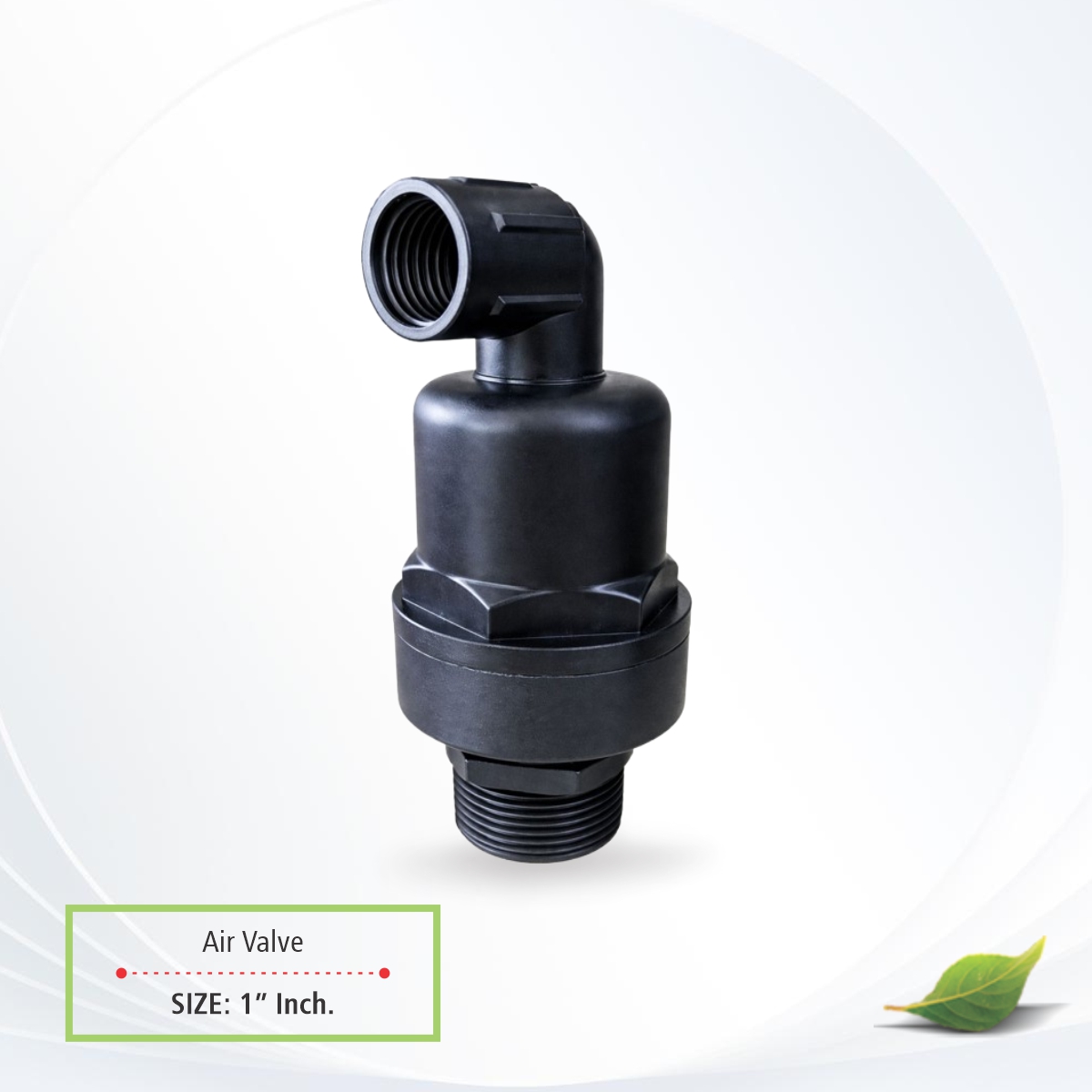
An air release valve is a small but essential component that automatically removes trapped air from irrigation pipelines while allowing air to enter the system when necessary. Whether you’re using drip irrigation, sprinkler irrigation, or a large agricultural water distribution network, installing the right air release valves helps ensure smooth water flow, protects equipment, and extends the life of your irrigation infrastructure.
In this comprehensive guide, we’ll explore how air release valves work, their benefits, types, applications, maintenance tips, and how to choose the best air release valve for your irrigation system.
What Is an Air Release Valve?
An air release valve is a mechanical valve designed to automatically discharge trapped air from pressurized pipelines. During irrigation system operation, dissolved air separates from water and collects at high points within the pipeline. If this air is not removed, it forms air pockets that obstruct water flow and create pressure problems.
The valve continuously releases accumulated air while the system is operating, ensuring the pipeline remains filled with water and operates at maximum efficiency.
Why Air Release Valves Are Important in Irrigation
Many farmers invest in high-quality pumps, filters, and drip irrigation systems but overlook air management. Air inside pipelines can create several operational challenges.
Key Benefits Include:
Improved Water Flow
Removing trapped air ensures water flows smoothly throughout the irrigation network. This allows every emitter or sprinkler to receive consistent water pressure.
Reduced Pressure Loss
Air pockets reduce the effective diameter of pipelines, increasing resistance and lowering pressure. Air release valves eliminate this problem.
Protection Against Water Hammer
Rapid pressure changes caused by trapped air can result in water hammer, which may crack pipes, damage fittings, and shorten equipment life.
Longer Equipment Life
Pumps, filters, valves, and irrigation accessories experience less stress when pressure remains stable.
Better Irrigation Uniformity
Consistent pressure means crops receive equal amounts of water, improving plant growth and reducing water waste.
Lower Maintenance Costs
Preventing pressure-related failures reduces repair expenses and extends the lifespan of the irrigation system.
How Air Release Valves Work
Air release valves operate automatically without requiring manual intervention.
Here’s how they function:
- Water fills the pipeline during startup.
- Trapped air rises to the highest points.
- The valve detects accumulated air.
- Internal float mechanisms move downward.
- The valve opens automatically.
- Air escapes from the pipeline.
- Water reaches the valve.
- The float rises and seals the opening.
This automatic process repeats continuously throughout irrigation operations.
Common Causes of Air in Irrigation Pipelines
Air can enter irrigation systems through various sources, including:
- Initial filling of empty pipelines
- Pump startup and shutdown
- Leaking pipe joints
- Changes in elevation
- Dissolved gases released from water
- Maintenance activities
- Reservoir or tank refilling
Without proper air release valves, these air pockets gradually reduce irrigation efficiency.
Types of Air Release Valves
Different irrigation systems require different types of valves depending on operating conditions.
1. Automatic Air Release Valve
Designed to continuously remove small volumes of trapped air while the system is pressurized.
Best for:
- Drip irrigation
- Sprinkler irrigation
- Agricultural pipelines
- Filter stations
2. Air and Vacuum Valve
This valve releases large amounts of air during pipeline filling and allows air to enter during draining.
Ideal for:
- Main irrigation pipelines
- Pump stations
- Large water distribution systems
3. Combination Air Valve
A combination valve performs both automatic air release and air vacuum functions.
Benefits include:
- Removes large air pockets
- Continuously releases trapped air
- Prevents vacuum formation
- Protects pipelines during operation
This is often considered the best all-around solution for modern irrigation systems.
Applications of Air Release Valves
Air release valves are widely used in agricultural and industrial water systems.
Common applications include:
Drip Irrigation Systems
Ensures uniform water delivery to every emitter.
Sprinkler Irrigation
Maintains steady pressure for consistent sprinkler performance.
Greenhouses
Protects sensitive irrigation equipment from pressure fluctuations.
Agricultural Farms
Supports irrigation for crops such as:
- Cotton
- Sugarcane
- Banana
- Grapes
- Vegetables
- Mango orchards
- Pomegranate
- Citrus crops
Landscape Irrigation
Maintains reliable watering for parks, gardens, golf courses, and lawns.
Signs Your Irrigation System Needs an Air Release Valve
Your irrigation system may have trapped air if you notice:
- Uneven water distribution
- Fluctuating pressure
- Noisy pipelines
- Frequent pump cycling
- Reduced sprinkler performance
- Drip emitters not flowing evenly
- Sudden pressure spikes
- Pipe vibration
- Water hammer sounds
Ignoring these warning signs can lead to expensive repairs.
How to Choose the Best Air Release Valve
Selecting the correct valve depends on several important factors.
Pipeline Size
Choose a valve compatible with your pipeline diameter.
Operating Pressure
Verify the valve’s pressure rating matches your irrigation system.
Flow Rate
Large irrigation systems require valves capable of handling higher air discharge volumes.
Material Quality
Look for corrosion-resistant materials such as:
- Reinforced engineering plastic
- Polypropylene
- Brass
- Stainless steel
These materials provide long-term durability in outdoor environments.
Installation Location
Install valves at:
- High points in pipelines
- Long rising sections
- Pump discharge lines
- Filter stations
- Pipeline bends
- Elevated irrigation zones
Proper placement is just as important as choosing the right valve.
Installation Best Practices
Correct installation ensures maximum efficiency.
Tips for Installation
- Install vertically whenever possible.
- Position valves at pipeline high points.
- Use isolation valves for easy maintenance.
- Ensure adequate clearance around the valve.
- Protect valves from accidental damage.
- Inspect seals before installation.
- Follow manufacturer pressure recommendations.
Professional installation can further improve long-term performance.
Maintenance Tips
Although air release valves require minimal maintenance, periodic inspection keeps them working efficiently.
Maintenance Checklist
- Check for leaks.
- Remove dirt or debris.
- Inspect the float mechanism.
- Clean vent openings.
- Verify automatic operation.
- Replace worn seals if necessary.
- Inspect after seasonal shutdowns.
Routine maintenance helps prevent unexpected failures during peak irrigation seasons.
Common Mistakes to Avoid
Many irrigation problems result from incorrect installation or poor maintenance.
Avoid these common mistakes:
- Installing too few valves
- Incorrect valve sizing
- Placing valves at low points
- Ignoring maintenance schedules
- Using low-quality materials
- Operating beyond pressure limits
- Blocking vent openings
Avoiding these mistakes significantly improves irrigation reliability.
Environmental Benefits
Efficient irrigation is not only beneficial for farmers but also for the environment.
Air release valves contribute by:
- Reducing water wastage
- Improving irrigation efficiency
- Lowering energy consumption
- Minimizing pump operating time
- Extending equipment lifespan
- Supporting sustainable farming practices
As agriculture faces increasing water scarcity, every improvement in irrigation efficiency makes a meaningful difference.
Why Farmers Should Invest in Quality Air Release Valves
While air release valves represent a relatively small investment, their impact on irrigation performance is substantial. Proper air management leads to better crop health, reduced operational costs, and fewer interruptions during irrigation cycles.
For commercial farms, orchards, greenhouses, and modern irrigation projects, installing high-quality air release valves can significantly improve system reliability. Whether you’re irrigating a few acres or managing a large agricultural operation, the right valve helps ensure consistent water distribution and protects your investment in irrigation infrastructure.
Conclusion
Air release valves are one of the most important yet often overlooked components of an efficient irrigation system. By automatically removing trapped air, they improve water flow, stabilize pressure, prevent water hammer, and extend the lifespan of pumps, filters, pipelines, and irrigation equipment.
Whether you operate a drip irrigation system, sprinkler network, greenhouse, or large agricultural pipeline, selecting the right air release valve can greatly enhance irrigation performance while reducing maintenance costs. Combined with proper installation and regular maintenance, these valves help deliver reliable, efficient water distribution season after season.
Investing in the best air release valves is a simple step that can make a lasting difference in irrigation efficiency, crop productivity, and the overall success of your farming operations.