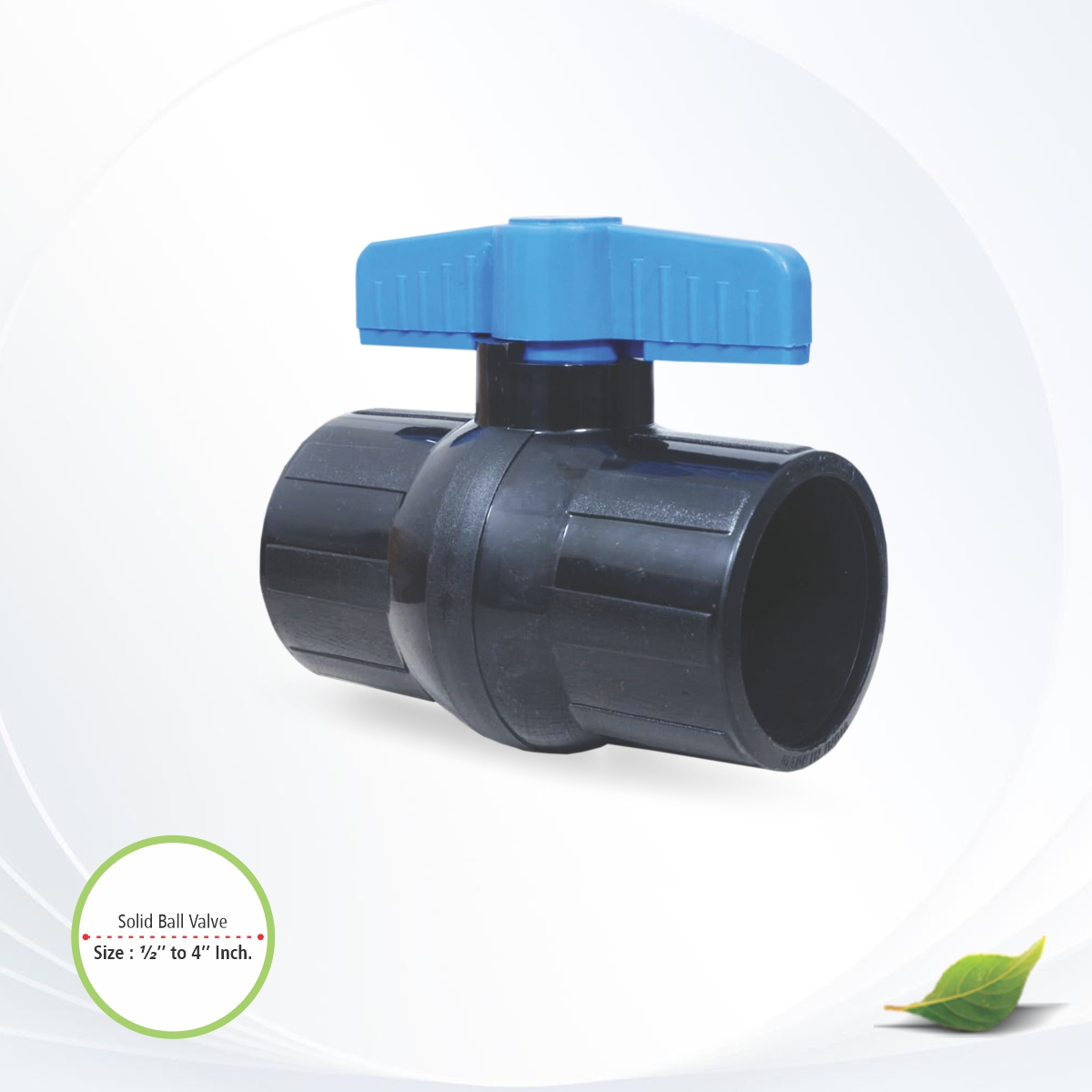
Efficient water management is one of the most important aspects of modern agriculture. Whether you are operating a drip irrigation system, sprinkler irrigation network, greenhouse irrigation setup, or industrial water distribution system, selecting the right Ball Valve for Irrigation Systems plays a crucial role in maintaining smooth water flow and preventing water wastage.
A Ball Valve is a quarter-turn valve designed to provide quick, reliable, and leak-proof control of water flow. Its simple yet highly efficient design allows farmers and irrigation professionals to open or close the water supply instantly with minimal effort. Manufactured using high-quality corrosion-resistant materials, modern ball valves offer excellent durability, weather resistance, and long service life, making them one of the most preferred valves in agricultural irrigation applications.
In this comprehensive guide, we’ll explore everything about irrigation ball valves, including their working principle, features, advantages, applications, design specifications, maintenance tips, and buying guide.
What is a Ball Valve?
A Ball Valve is a mechanical valve that uses a hollow, perforated ball to regulate the flow of water. When the handle is turned 90 degrees, the hole inside the ball aligns with the pipeline, allowing water to pass through. Turning the handle another 90 degrees blocks the flow completely.
This simple mechanism offers:
- Instant ON/OFF operation
- Leak-proof sealing
- Low operating torque
- High pressure handling
- Long operational life
Because of its efficiency, the ball valve is widely used in agriculture, irrigation, plumbing, water treatment plants, chemical industries, and industrial fluid control systems.
Why Ball Valves Are Essential in Irrigation Systems
Modern irrigation systems require accurate water distribution. Any leakage or inefficient valve operation can result in:
- Water wastage
- Reduced crop yield
- Increased pumping costs
- Pressure loss
- Frequent maintenance
A high-quality irrigation ball valve eliminates these issues by offering reliable shut-off performance and smooth water flow.
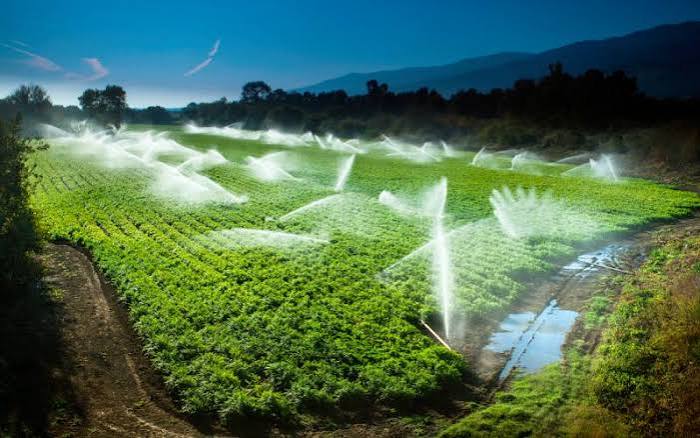
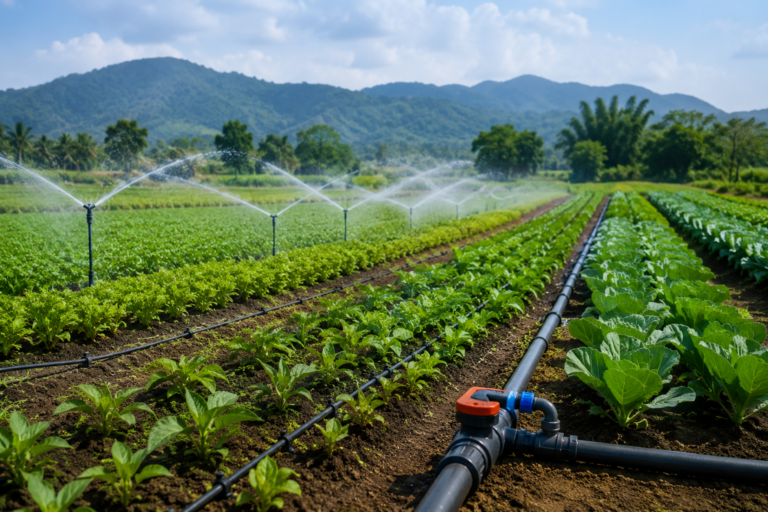
Whether you are installing a drip irrigation system, sprinkler irrigation, rain gun irrigation, or fertigation system, a durable ball valve improves the overall efficiency of the irrigation network.
How Does a Ball Valve Work?
The valve consists of:
- Valve Body
- Rotating Ball
- Valve Seats
- Stem
- Handle
- O-Rings
When the handle is parallel to the pipe, the valve remains fully open.
When the handle is perpendicular to the pipeline, the valve is completely closed.
Since the ball rotates only 90 degrees, operation is extremely quick and easy.
Advantages of Ball Valve
A premium-quality irrigation ball valve offers numerous benefits that improve system performance and reduce operating costs.
1. High Temperature Resistant
Designed to perform efficiently under elevated temperatures without losing sealing performance.
2. Lightweight Design
The lightweight construction makes transportation, handling, and installation simple and cost-effective.
3. Easy to Transport
Compact size and low weight reduce logistics costs and make field installation easier.
4. Easy Installation
Ball valves can be installed quickly using standard threaded or flanged connections, reducing installation time.
5. Highly Durable
Manufactured using premium corrosion-resistant materials that ensure long-lasting performance even under demanding operating conditions.
6. Zero Maintenance
The simple internal mechanism requires little to no maintenance, reducing long-term ownership costs.
7. Most Cost-Effective
Ball valves offer excellent value due to their durability, long service life, and minimal maintenance requirements.
8. Weather Resistant
Designed to withstand harsh outdoor environments, including rain, humidity, and changing climatic conditions.
9. UV Resistant
Suitable for outdoor agricultural installations where prolonged sunlight exposure is common.
10. Highly Efficient
Provides smooth water flow with minimal pressure loss, helping irrigation systems operate more efficiently.
11. Anti-Corrosive
Constructed from corrosion-resistant materials, making the valve suitable for water, fertilizers, and mildly corrosive fluids.
Key Features of Ball Valve
Modern irrigation ball valves are engineered for durability and efficient performance.
Bi-Directional Flow
Ball valves allow water to flow in both directions, offering installation flexibility.
Wide Size Range
Available in sizes ranging from 15 mm to 100 mm, making them suitable for various irrigation and industrial applications.
Custom Aperture Sizes
Special aperture sizes can also be manufactured based on application requirements.
Low Seat Wear Design
The ball is specially designed to minimize wear on valve seats, increasing operational life.
O-Ring Protected Valve Seats
Valve seats include high-quality O-rings that compensate for wear while preventing ball seizure.
Corrosion Resistant Construction
The body material resists corrosion, ensuring reliable performance in wet and chemically exposed environments.
Multiple Design Options
Available in several configurations including:
- One Piece Ball Valve
- Three Piece Ball Valve
- Flanged End Ball Valve
- Screwed End Ball Valve
These options make the valve suitable for residential, agricultural, commercial, and industrial installations.
Applications of Ball Valve
Ball valves are widely used across multiple industries.
Agricultural Irrigation
- Drip irrigation
- Sprinkler irrigation
- Rain gun irrigation
- Orchard irrigation
- Greenhouse irrigation
Water Distribution Systems
- Municipal water supply
- Water storage tanks
- Pumping stations
Industrial Applications
- Chemical processing
- Food processing
- Textile industries
- Water treatment plants
- Cooling systems
Plumbing Systems
- Residential plumbing
- Commercial buildings
- Industrial pipelines
Precautions While Using Ball Valves
Proper installation and operation significantly increase valve life.
Always Use Fully Open or Fully Closed
Ball valves are not designed for flow regulation.
Operating the valve in a partially open position can damage the sealing cups and reduce service life.
Follow Pressure Ratings
Always operate within the recommended pressure specifications.
Observe Temperature Limits
Avoid exceeding the recommended operating temperature.
Install Correctly
Ensure proper alignment during installation to avoid unnecessary stress on the valve body.
Inspect Before Installation
Check sealing surfaces, threads, and connections for any transport damage.
Why Choose Ball Valves for Irrigation?
Farmers and irrigation professionals prefer ball valves because they offer:
- Fast quarter-turn operation
- Reliable leak-proof sealing
- Long service life
- Low operating torque
- Excellent pressure handling
- Corrosion resistance
- UV resistance
- Weather resistance
- Minimal maintenance
- Cost-effective operation
These features make them an excellent investment for modern irrigation infrastructure.
Maintenance Tips
Although ball valves require very little maintenance, following these simple practices ensures maximum lifespan.
- Operate the valve periodically to prevent sticking.
- Keep the valve clean from dirt and debris.
- Inspect O-rings during scheduled maintenance.
- Avoid using excessive force while operating the handle.
- Replace damaged seals promptly if leakage occurs.
- Ensure proper support for heavy pipelines connected to the valve.
How to Choose the Right Ball Valve
Before purchasing a ball valve, consider the following:
- Pipe size compatibility
- Pressure rating
- Temperature range
- End connection type (Flanged or Screwed)
- Material compatibility
- Indoor or outdoor installation
- Water quality and chemical exposure
- Required flow capacity
Selecting the correct valve ensures reliable operation and longer service life.
Conclusion
A High-Quality Ball Valve for Irrigation Systems is an essential component for achieving efficient, reliable, and leak-free water distribution. Its robust construction, quarter-turn operation, corrosion resistance, UV stability, and low maintenance requirements make it a preferred choice for agricultural, commercial, and industrial applications.
Whether you’re installing a new drip irrigation system, upgrading a sprinkler network, or managing an industrial water pipeline, investing in a durable ball valve helps improve water efficiency, reduce maintenance costs, and extend the lifespan of your irrigation system. By choosing the right size, design, and pressure rating, you can ensure consistent performance and dependable water flow for years to come.