Efficient irrigation is essential for modern agriculture, landscaping, horticulture, and water management projects. As businesses look for practical ways to manage water resources and improve irrigation efficiency, choosing the right components and manufacturing partner becomes increasingly important.
An experienced Irrigation Components Manufacturer in India can help agricultural businesses, distributors, irrigation contractors, and equipment suppliers source components that meet their specific requirements. From product quality and material selection to dimensional accuracy and consistent supply, an experienced manufacturer can contribute to the dependable operation of irrigation systems.
However, selecting a manufacturer involves more than comparing prices. Buyers should evaluate manufacturing capabilities, quality control procedures, product specifications, technical support, and delivery commitments before making a decision.
In this blog, we explain the key benefits of choosing an experienced irrigation components manufacturer in India and how the right supplier can support long-term irrigation project requirements.
1. Better Understanding of Irrigation Requirements
Every irrigation project has different requirements depending on the application, water source, system design, and operating conditions. Agricultural fields, greenhouses, gardens, nurseries, and commercial landscaping projects may require different component configurations.
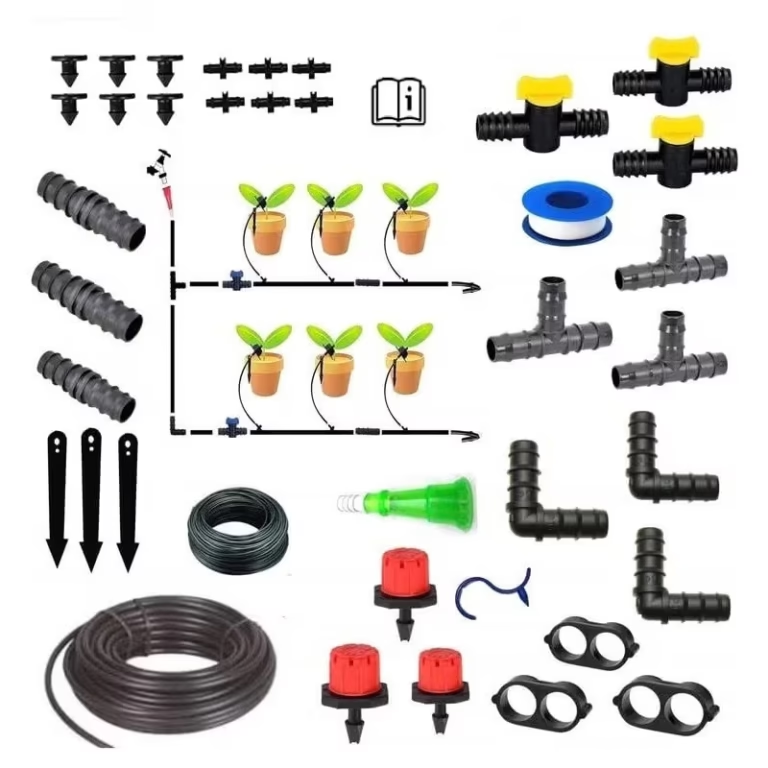
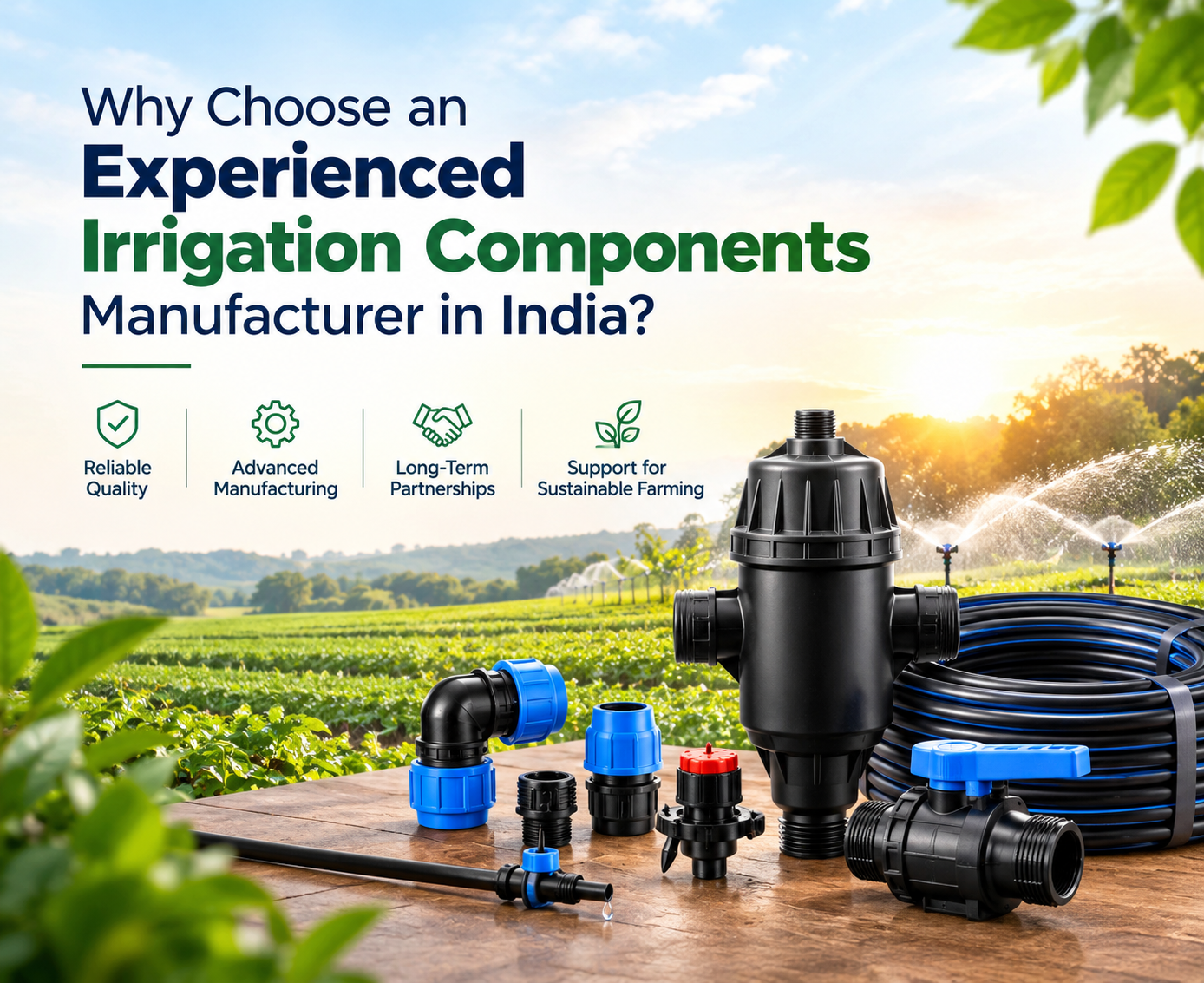
An experienced manufacturer understands the importance of selecting components according to the intended application. Depending on the product range, these components may include pipes, fittings, connectors, valves, filters, adapters, and other water distribution accessories.
Manufacturing experience can help suppliers understand the technical considerations involved in product selection, including dimensions, connection types, pressure requirements, and material suitability.
By discussing these requirements with a knowledgeable manufacturer, buyers can make informed purchasing decisions and reduce the risk of ordering unsuitable products.
2. Consistent Product Quality
Product quality directly affects the reliability and service life of an irrigation system. Components that do not meet the required specifications may cause leakage, installation difficulties, inconsistent water distribution, or premature replacement.
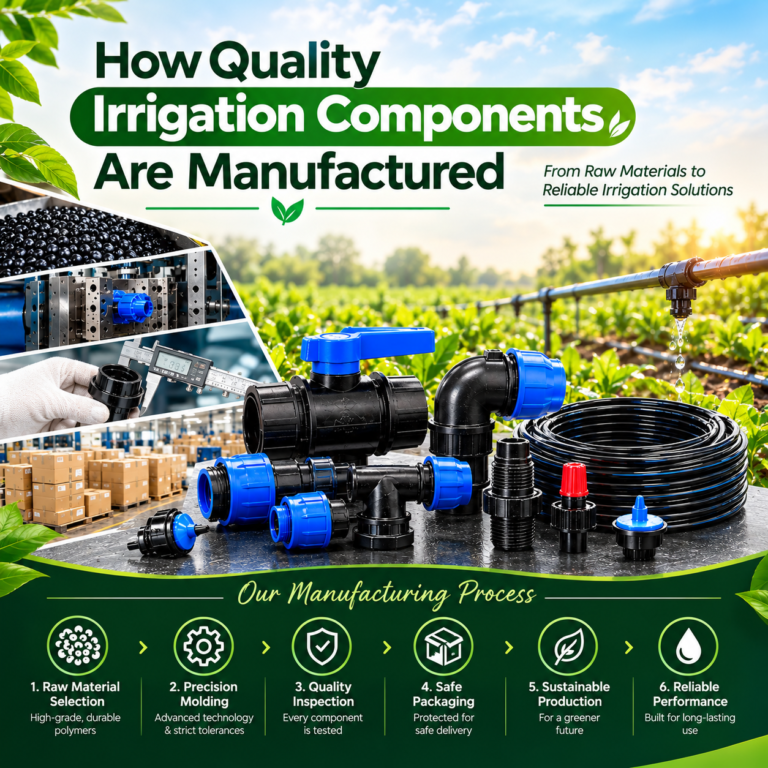
A reliable irrigation components manufacturer should maintain appropriate quality control procedures throughout production. These may include raw material inspection, dimensional verification, visual checks, and final product inspection.
Experienced manufacturers may have established processes that help maintain consistent production standards across different batches.
Before placing an order, buyers should review product specifications, quality assurance procedures, relevant test reports, and applicable certifications where required.
Consistent manufacturing quality helps businesses procure components with greater confidence and supports reliable irrigation system operation.
3. Suitable Materials for Different Applications
Irrigation components operate under varying environmental conditions. Exposure to sunlight, moisture, soil, fertilizers, changing temperatures, and water pressure can influence product performance.
Selecting the appropriate material is therefore an important part of the procurement process.
Depending on the product design and application, manufacturers may use suitable plastics, rubber, metals, or other engineering materials. Each material offers different properties, and its suitability depends on the intended operating conditions.
An experienced manufacturer can help buyers understand the material specifications relevant to their requirements.
Customers should consider factors such as corrosion resistance, mechanical strength, environmental exposure, pressure ratings, and expected service conditions before selecting components.
Choosing suitable materials can help reduce avoidable maintenance and support long-term product performance when components operate within their specified limits.
4. Better Compatibility and Installation
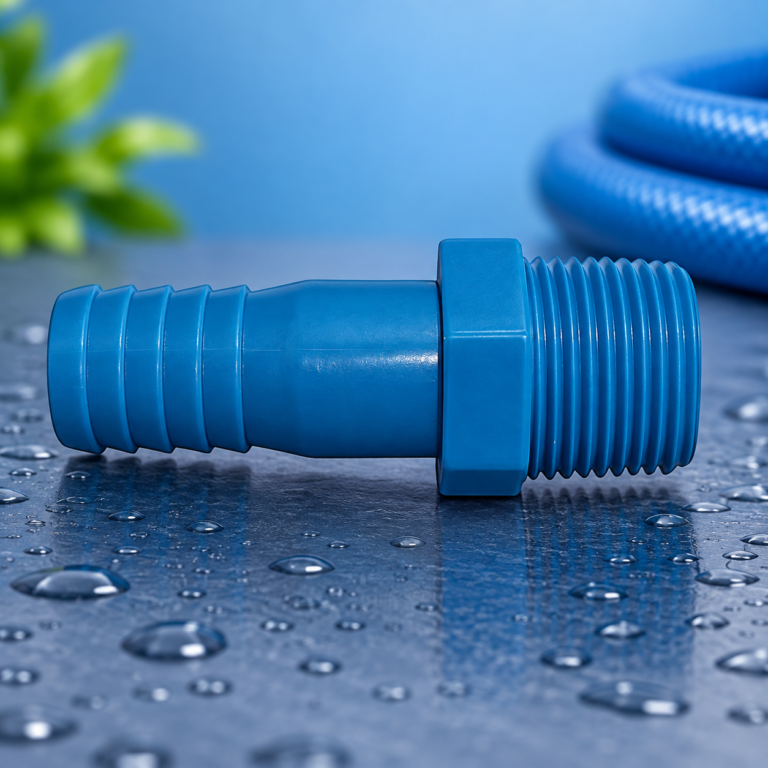
Irrigation systems often use several interconnected components. If dimensions, thread types, connection arrangements, or pressure ratings do not match, installation can become complicated.
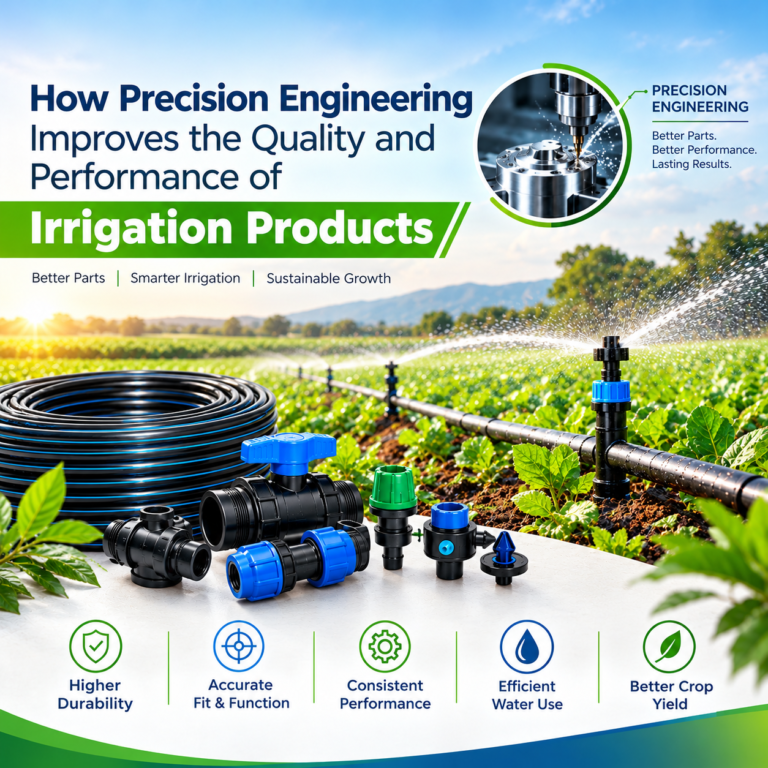
An experienced Irrigation Components Manufacturer in India understands the importance of dimensional accuracy and product compatibility.
Manufacturers that provide detailed product specifications can help buyers verify measurements and connection requirements before ordering. This information is particularly useful for irrigation contractors, agricultural equipment suppliers, and system integrators.
Correctly matched components can simplify installation and reduce the need for modifications.
To improve compatibility, buyers should provide product codes, technical drawings, measurements, photographs, or details of existing equipment wherever possible. They should also confirm specifications with the manufacturer instead of assuming that visually similar components will fit together.
5. Cost Efficiency and Long-Term Value
Price is an important factor when purchasing irrigation components, especially for large agricultural projects and bulk orders. However, the lowest initial price does not always represent the best overall value.
Poorly matched or unsuitable components may lead to additional installation expenses, maintenance requirements, and replacement costs.
An experienced manufacturer can help buyers evaluate products according to specifications, quality requirements, material suitability, and intended operating conditions.
Businesses should compare quotations based on unit price, order quantity, taxes, transportation costs, delivery timelines, warranty terms, and product specifications.
Purchasing directly from a manufacturer may also provide opportunities to discuss bulk pricing, repeat orders, or customized requirements, depending on the supplier’s policies.
A complete cost comparison helps buyers make practical procurement decisions and focus on long-term value rather than price alone.
6. Reliable Bulk Supply and Production Planning
Agricultural businesses, irrigation distributors, and infrastructure contractors often need components in large quantities. Delays in receiving essential products can affect installation schedules and project completion.
An experienced manufacturer may have established production processes and supply arrangements that support planned procurement and repeat orders.
However, buyers should verify actual manufacturing capacity, current stock, minimum order quantities, and delivery commitments before confirming a purchase.
Clear communication about order quantities and project deadlines allows the manufacturer to assess availability and production requirements more accurately.
For distributors and resellers, consistent product specifications across repeat orders are also important. They help maintain inventory standards and support dependable service for customers.
When choosing a supplier, businesses should evaluate its ability to manage their expected order volumes and communicate potential delays promptly.
7. Customization for Specific Projects
Some irrigation projects require components with particular dimensions, connection types, material properties, or design features that standard products may not provide.
An experienced manufacturer may be able to evaluate customized manufacturing requirements based on its technical capabilities and production facilities.
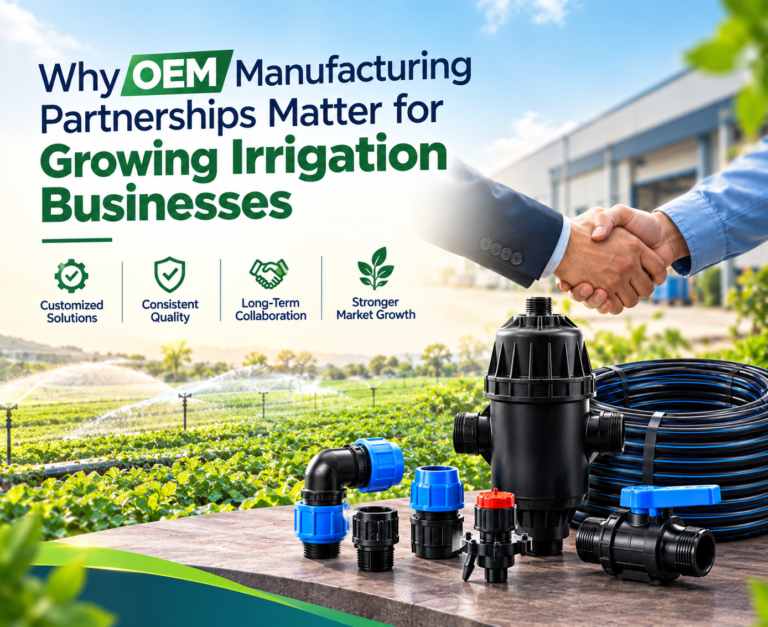
Customization may be useful for irrigation system integrators, agricultural equipment manufacturers, OEM businesses, and specialized infrastructure projects.
To request a customized product, buyers should provide accurate drawings, required dimensions, material specifications, operating conditions, tolerances, and expected order quantities.
The manufacturer can then assess technical feasibility, tooling requirements, production costs, and delivery timelines.
Customers should confirm the final specifications and inspection requirements before approving production. This approach helps minimize misunderstandings and ensures that the proposed component aligns with the intended application.
8. Technical Guidance and Customer Support
Choosing irrigation components can involve several technical considerations. Buyers may need to verify product dimensions, identify compatible connections, understand pressure ratings, or determine which specifications matter for a particular installation.
An experienced manufacturer can provide product information and guidance based on its manufacturing expertise and available product range.
Effective support may include clear technical documentation, accurate quotations, product identification assistance, and timely responses to enquiries.
Good communication is particularly valuable for businesses purchasing unfamiliar components or managing projects with specific technical requirements.
Before selecting a supplier, buyers should assess how clearly the company explains its products and whether it provides the information needed to verify suitability.
Reliable technical support can simplify procurement and help prevent avoidable purchasing errors.
9. Supporting Efficient Water Management
Water efficiency is an important consideration in modern agriculture. Well-designed irrigation systems help deliver water according to crop requirements and site conditions.
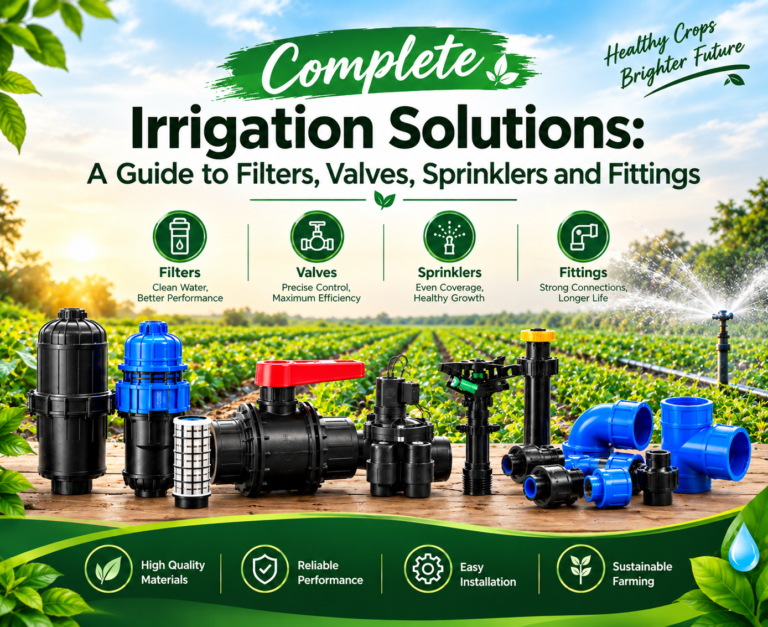
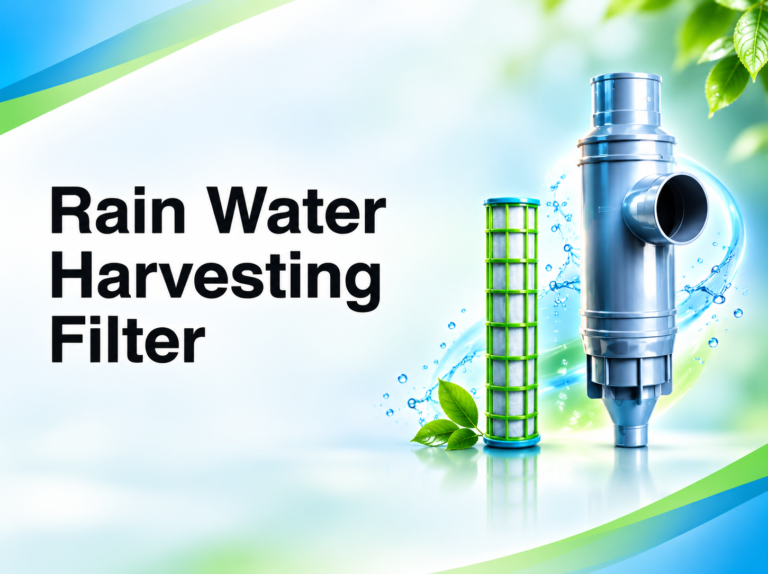
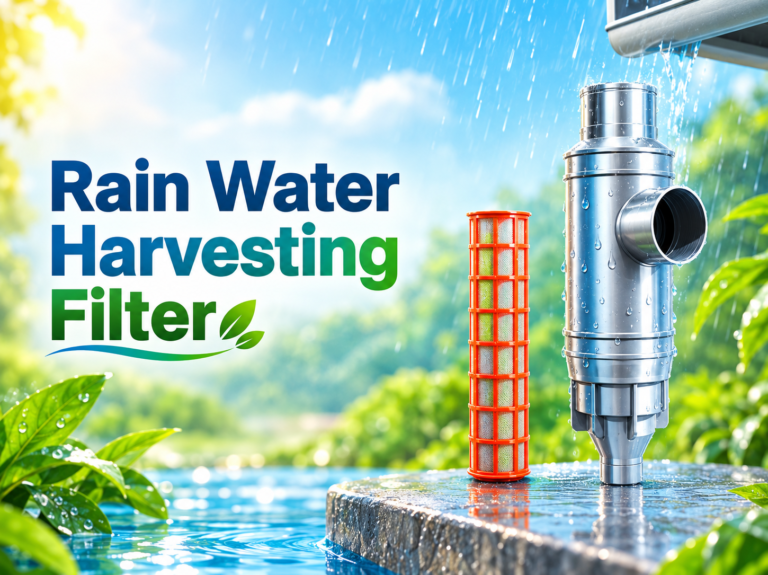
Suitable irrigation components, including filters, valves, pipes, fittings, and connectors, contribute to the operation of the complete system.
An experienced manufacturer can help customers identify components that meet their specified requirements. Proper selection, installation, and maintenance can support reliable water distribution.
However, water savings depend on the complete irrigation system, including system design, crop type, soil conditions, irrigation scheduling, operating pressure, and maintenance practices.
By selecting appropriate components and following recommended operating procedures, agricultural businesses can support responsible water management and improve the practical performance of their irrigation installations.
10. What to Check Before Choosing an Irrigation Components Manufacturer in India
Before finalizing a supplier, businesses should evaluate several important factors to ensure that the manufacturer meets their procurement and technical requirements.
Manufacturing Experience
Review the manufacturer’s industry experience, product range, manufacturing capabilities, and experience with comparable applications.
Product Specifications
Confirm dimensions, material details, connection types, pressure ratings, and other relevant technical information before ordering.
Quality Control
Ask about inspection procedures, quality documentation, applicable certifications, and product testing where relevant.
Production Capacity
Verify whether the manufacturer can handle your order quantities and support future requirements.
Customization Capabilities
If your project needs special components, confirm whether the manufacturer can meet the required design and production specifications.
Pricing and Delivery
Request a detailed quotation that identifies product specifications, quantities, applicable charges, and expected delivery dates.
Customer Support
Choose a supplier that communicates clearly, answers technical questions, and provides accurate information about product availability and limitations.
Evaluating these factors helps businesses identify a manufacturing partner that aligns with their quality, budget, and project requirements.
Why Choosing the Right Manufacturing Partner Matters
The right manufacturing partner can contribute to consistent procurement, dependable product quality, and smoother project planning. For irrigation distributors, agricultural businesses, contractors, and equipment manufacturers, these benefits can support daily operations and long-term business relationships.
An experienced manufacturer that understands technical specifications, maintains suitable quality control procedures, and communicates clearly can help buyers make better purchasing decisions.
Rather than focusing exclusively on the lowest quotation, businesses should consider product suitability, manufacturing capabilities, quality assurance, and supply reliability.
Conclusion
Choosing an experienced Irrigation Components Manufacturer in India is an important step toward sourcing suitable components for agricultural, commercial, and industrial irrigation applications.
Manufacturing experience can support better product selection, consistent quality, suitable material choices, accurate dimensions, efficient procurement, and practical technical assistance. These factors help businesses manage their requirements and reduce avoidable purchasing and installation issues.
Before choosing a manufacturer, verify its capabilities, product specifications, quality procedures, production capacity, and delivery commitments. A careful evaluation helps you select a supplier that meets your technical and commercial needs.
By working with the right manufacturing partner, businesses can build a reliable supply chain and support the effective operation of their irrigation systems.
Frequently Asked Questions (FAQs)
1. What does an irrigation components manufacturer do?
An irrigation components manufacturer produces components used in irrigation and water distribution systems. Depending on its product range, these may include pipes, fittings, connectors, valves, filters, and related accessories.
2. Why should I choose an experienced irrigation components manufacturer in India?
An experienced manufacturer may offer established production processes, product knowledge, quality control procedures, technical guidance, and support for repeat or bulk orders.
3. Which factors should I consider when selecting an irrigation components manufacturer?
Evaluate manufacturing capabilities, product specifications, material suitability, quality control, pricing, production capacity, delivery commitments, and customer support.
4. Can irrigation components manufacturers provide customized products?
Some manufacturers offer customized products based on approved drawings, dimensions, material requirements, and production feasibility. Buyers should confirm customization capabilities directly with the manufacturer.
5. How can I verify the quality of irrigation components?
Review product specifications, inspection procedures, relevant test reports, material documentation, and applicable certifications. Confirm that the components meet your project’s requirements before installation.
6. Are bulk orders available from irrigation components manufacturers in India?
Many manufacturers accept bulk orders, but minimum quantities, production capacity, pricing, and delivery timelines vary. Contact the manufacturer to confirm the terms for your requirements.
7. How do irrigation components support water efficiency?
Suitable components help the irrigation system distribute and regulate water according to its design. Overall water efficiency also depends on installation quality, operating conditions, irrigation scheduling, and maintenance.
8. How can I request a quotation from an irrigation components manufacturer?
Share the required product names, quantities, dimensions, technical specifications, intended application, and delivery location. This information helps the manufacturer prepare a more accurate quotation.
9. What information should I provide before ordering irrigation components?
Provide product codes, dimensions, connection details, material requirements, operating pressure, quantities, and any relevant drawings or photographs to help verify product suitability.
10. How do I find a reliable irrigation components manufacturer in India?
Research manufacturers, review their product range and manufacturing capabilities, request technical documentation, compare quotations, and verify their ability to meet your quality and delivery requirements.