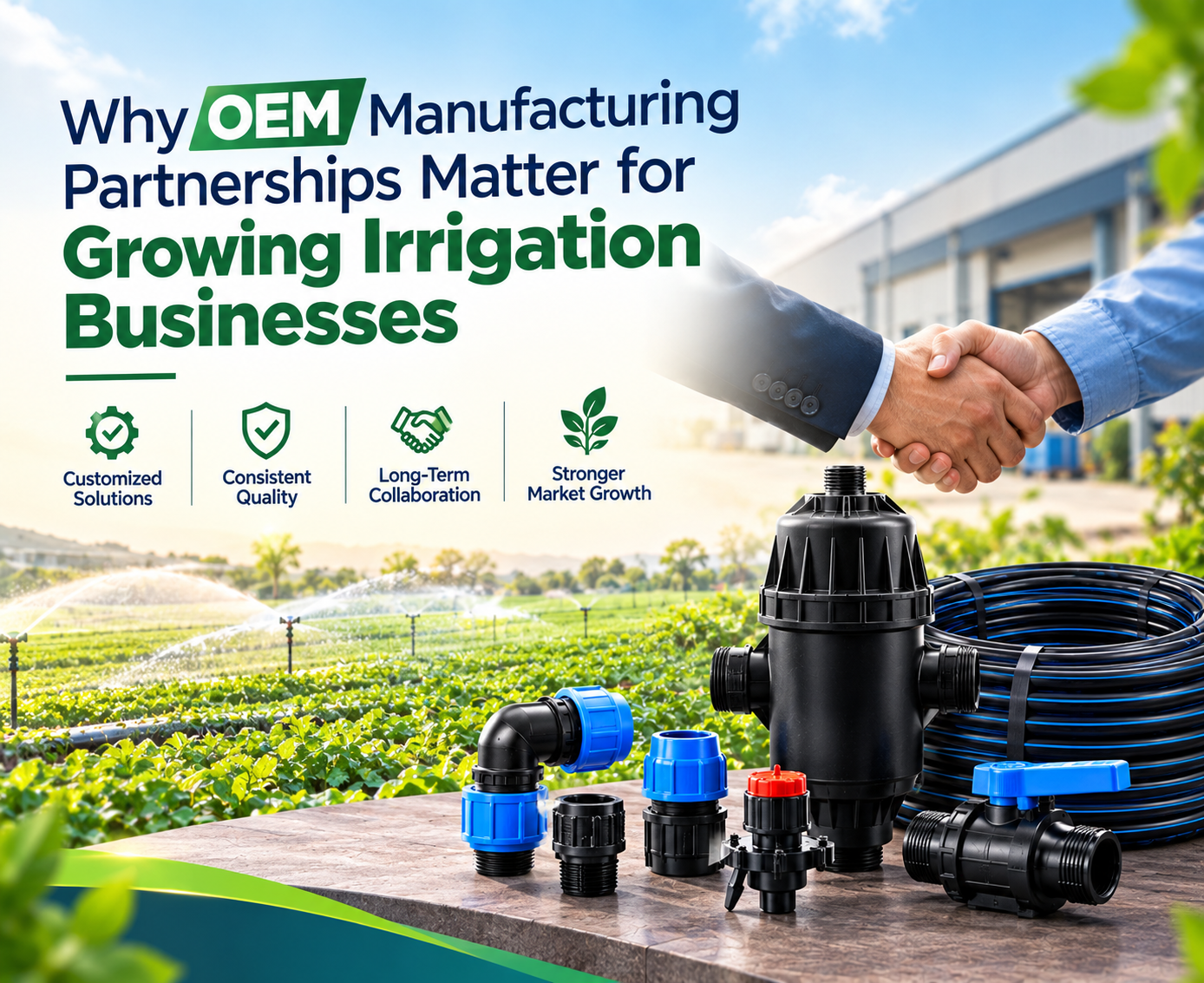
The irrigation industry continues to evolve as farmers, agricultural equipment suppliers, distributors, and irrigation system manufacturers look for reliable products that support efficient water management. As competition increases, businesses need more than quality products to succeed. They also need dependable manufacturing partners, consistent product standards, cost-effective production, and the flexibility to respond to changing market demands.
This is where partnerships with an OEM Irrigation Components Manufacturer become valuable. OEM, or Original Equipment Manufacturer, partnerships allow irrigation businesses to source components according to their product requirements, technical specifications, branding needs, and production goals.
Instead of investing heavily in manufacturing infrastructure, businesses can work with an experienced OEM partner to develop and source irrigation components more efficiently. The right partnership can support product innovation, improve supply chain management, and create opportunities for long-term business growth.
In this article, we explore why OEM manufacturing partnerships matter, how they benefit growing irrigation businesses, and what companies should consider when selecting a manufacturing partner.
1. What Is an OEM Irrigation Components Manufacturer?
An OEM Irrigation Components Manufacturer produces irrigation-related components according to the specifications, designs, quality requirements, or commercial needs agreed upon with another business. Depending on the arrangement, the manufacturer may produce standard components, customized parts, or products designed for integration into another company’s irrigation systems.
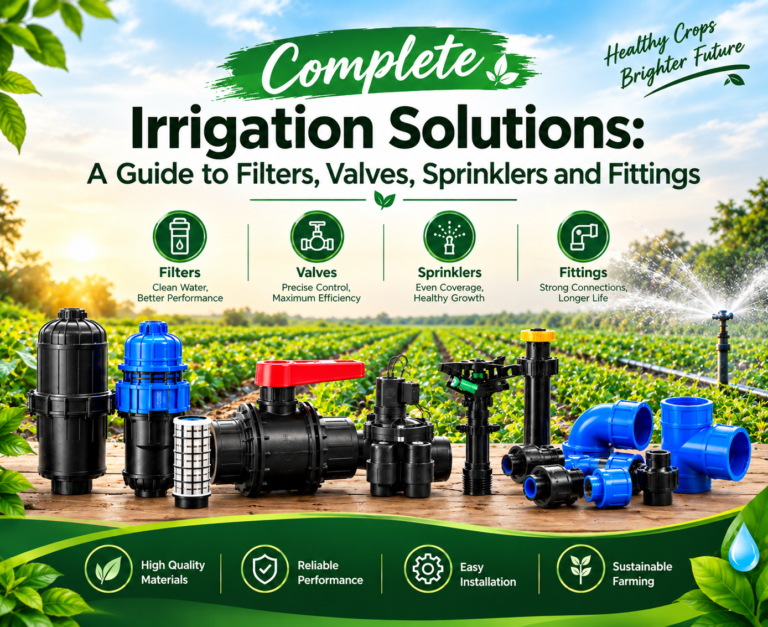
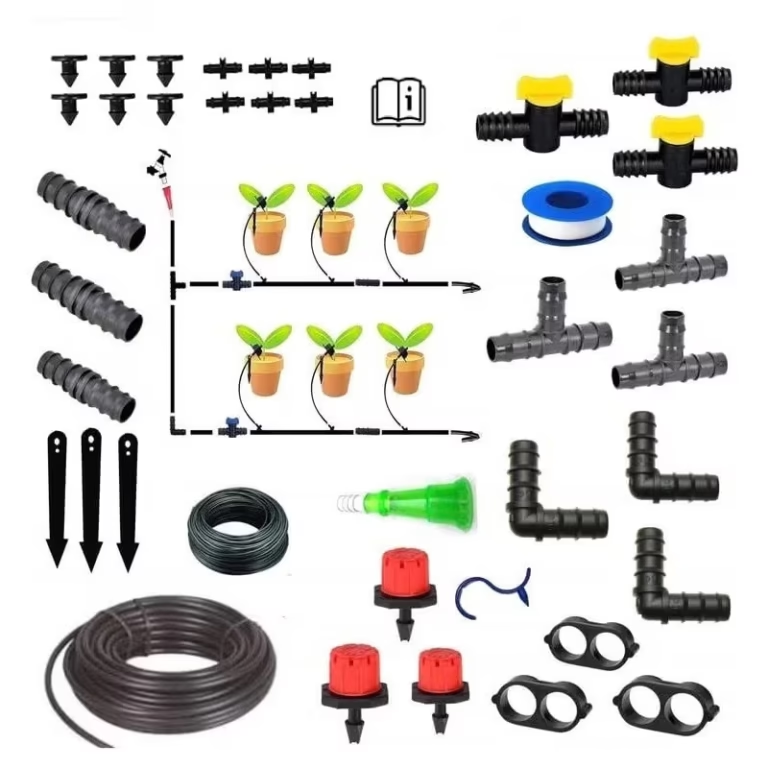
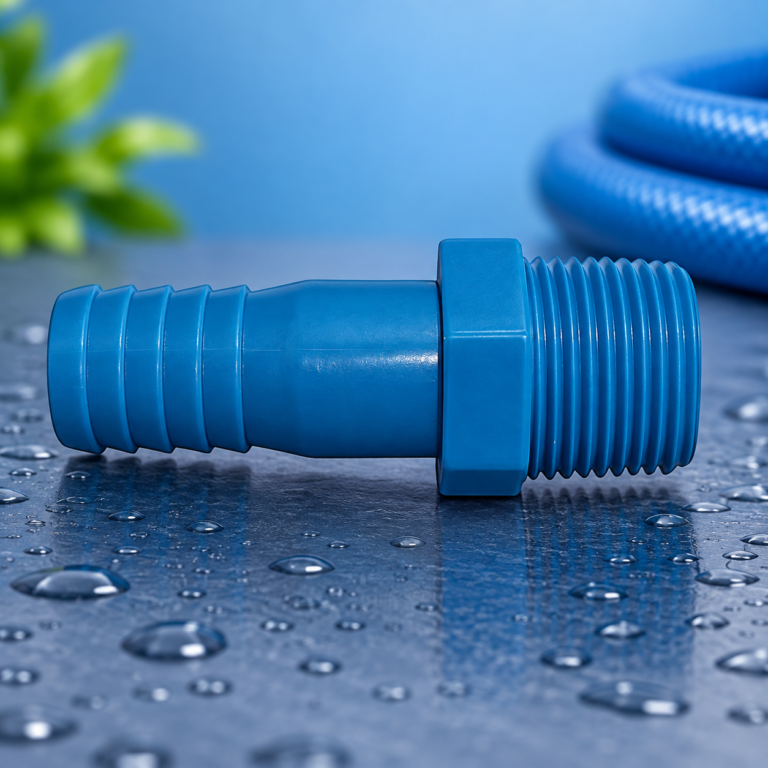
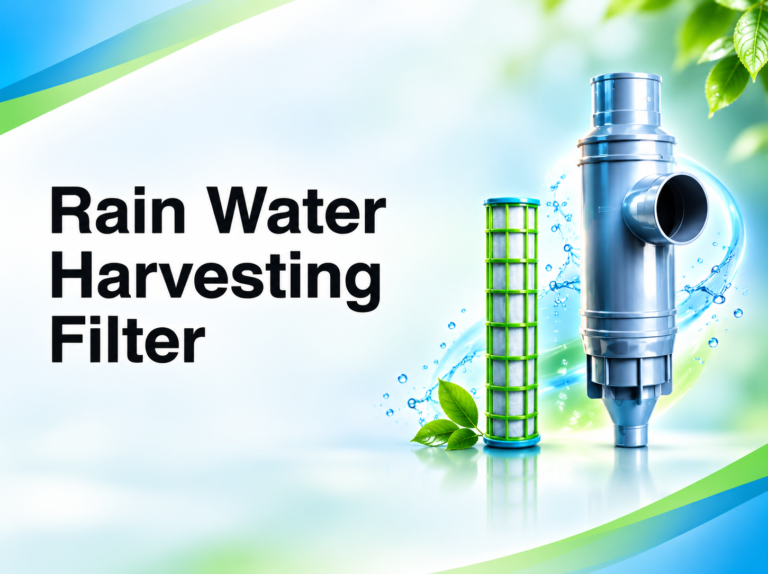
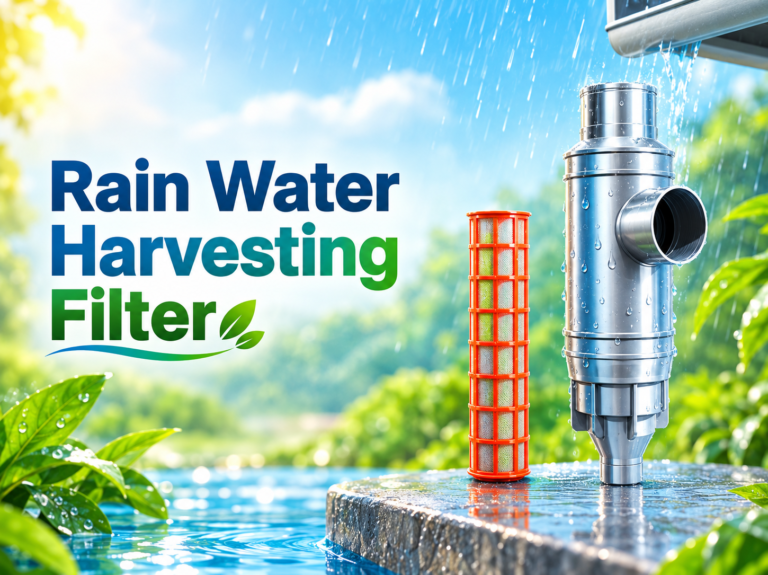
These components may include filters, valves, sprinkler components, fittings, connectors, and other irrigation-related products, depending on the manufacturer’s capabilities.
OEM partnerships are particularly useful for businesses that want to expand their product offerings without building and maintaining every manufacturing process internally.
For example, an irrigation equipment brand may need a customized component for a new product range. By collaborating with a suitable OEM manufacturer, the business can focus on product development, sales, distribution, and customer relationships while the manufacturing partner handles the agreed production activities.
A well-structured partnership establishes clear expectations for specifications, production quantities, quality checks, delivery schedules, and intellectual property.
2. Reduce Investment in Manufacturing Infrastructure
Setting up an independent manufacturing operation requires considerable investment. Businesses may need production machinery, tooling, factory space, trained personnel, quality inspection equipment, and ongoing maintenance.
For growing irrigation companies, these expenses can limit the capital available for marketing, distribution, research, and customer acquisition.
Working with an OEM Irrigation Components Manufacturer offers an alternative. Businesses can access manufacturing capabilities through an established production partner rather than developing every facility themselves.
This arrangement can help companies:
- Reduce the need for substantial upfront manufacturing investment.
- Avoid duplicating production equipment and infrastructure.
- Allocate more resources to sales and business development.
- Introduce products without building an entire factory operation.
- Focus on strengthening customer service and distribution networks.
Actual savings depend on product complexity, order quantities, tooling requirements, transportation, and the commercial terms agreed upon with the manufacturer. Businesses should compare total sourcing costs rather than considering the unit price alone.
3. Maintain Consistent Product Quality
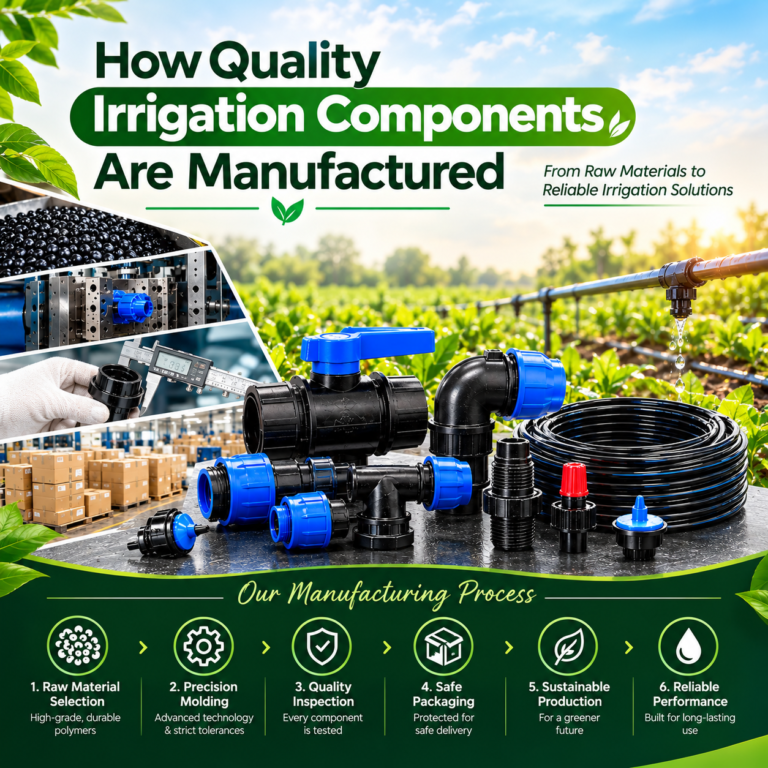
Product quality is essential in the irrigation industry because components must perform according to their intended specifications and operating conditions. Poorly manufactured parts may lead to leakage, premature wear, inconsistent water distribution, maintenance issues, or customer complaints.
An experienced manufacturing partner can help establish a repeatable production process with defined inspection procedures and quality requirements.
Businesses should evaluate whether a potential OEM partner can provide:
- Documented product specifications and approved drawings.
- Incoming material inspection where appropriate.
- In-process quality checks.
- Final product inspection and testing.
- Batch identification and traceability, where required.
- Records of non-conformities and corrective actions.
Quality requirements should be agreed upon before production begins. Where products need specific pressure ratings, material properties, dimensions, or performance characteristics, the buyer and manufacturer should document the applicable standards and acceptance criteria.
A reliable OEM partnership helps businesses build customer confidence by supporting consistency across production batches. However, quality performance should be verified through audits, samples, inspection reports, and ongoing monitoring rather than assumed from a supplier’s claims alone.
4. Expand Product Portfolios More Efficiently
Growing irrigation businesses often want to serve new customer groups or enter additional markets. However, introducing every new product through in-house manufacturing can take time and require significant investment.
OEM partnerships can make product portfolio expansion more manageable.
For instance, a business that currently supplies irrigation fittings may want to add compatible valves, filters, or other components. An OEM manufacturer with the relevant capabilities may help the business source these products under an agreed commercial arrangement.
This approach can allow businesses to:
- Add products that complement existing offerings.
- Respond to distributor and customer requirements.
- Explore new agricultural and industrial applications.
- Test demand before making larger investments.
- Build a more comprehensive product catalogue.
Before launching a new product, businesses should verify compatibility, product performance, market demand, applicable regulations, and after-sales requirements. A broader catalogue creates value only when the products meet customer expectations and can be supplied reliably.
5. Customize Components to Match Business Requirements
Different irrigation systems may require different component dimensions, materials, connection types, flow characteristics, or design features. Standard products may not always meet a company’s specific technical and commercial requirements.
An OEM Irrigation Components Manufacturer may support customization according to its engineering resources and production capabilities.
Depending on the project, customization may involve:
- Product dimensions and connection specifications.
- Material selection for the intended operating environment.
- Component design and configuration.
- Branding, packaging, and product identification.
- Specific testing and inspection requirements.
- Design changes intended to improve integration with an irrigation system.
Successful customization requires clear communication. Businesses should provide accurate drawings, samples, performance requirements, expected production volumes, and approval procedures.
It is also important to confirm who owns the design, tooling, technical drawings, and any newly developed intellectual property. Written agreements can help prevent misunderstandings when a product becomes commercially successful.
6. Improve Production Planning and Supply Chain Reliability
Growing businesses need suppliers that can support changing demand without creating unnecessary interruptions. Delayed component deliveries can affect assembly schedules, distributor commitments, and customer satisfaction.
OEM manufacturing partnerships can improve supply planning when both parties communicate regularly and establish realistic production schedules.
Businesses should discuss minimum order quantities, manufacturing lead times, raw material availability, inventory policies, packaging requirements, shipping arrangements, and contingency plans.
A strong supplier relationship may support:
- Better production scheduling.
- More predictable replenishment.
- Clear communication about delivery risks.
- Improved coordination during seasonal demand changes.
- Faster identification of potential supply disruptions.
However, outsourcing does not automatically guarantee uninterrupted supply. Businesses should assess the manufacturer’s capacity, supplier dependencies, financial stability, and ability to manage demand fluctuations.
For critical components, maintaining appropriate safety stock or qualifying an alternative supplier may help reduce operational risk.
7. Support Cost Control and Competitive Pricing
Pricing plays an important role in the growth of irrigation businesses. Customers often compare product quality, availability, technical support, and overall value before choosing a supplier.
An OEM arrangement may help control production costs by using an established manufacturer’s equipment, processes, workforce, and purchasing network.
Potential cost advantages can come from production efficiency, repeat orders, optimized material usage, and reduced duplication of manufacturing resources.
Nevertheless, the lowest quoted price does not always represent the lowest total cost. Businesses should consider tooling charges, quality failures, rejected products, freight, duties where applicable, storage, payment terms, and warranty obligations.
A comprehensive cost comparison helps companies select a manufacturing partner that offers sustainable commercial value rather than simply the cheapest quotation.
For long-term partnerships, both parties should review production volumes, quality performance, material costs, and delivery efficiency periodically to identify realistic opportunities for improvement.
8. Accelerate Product Development and Market Entry
Introducing a new irrigation product involves several stages, including concept development, design, prototyping, testing, production planning, and commercialization.
An OEM partner with suitable technical capabilities can contribute manufacturing knowledge during these stages. This collaboration may help identify production constraints early and reduce avoidable redesigns.
A practical development process includes:
- Define the product’s purpose and target application.
- Prepare technical specifications and design documentation.
- Review manufacturing feasibility with the OEM partner.
- Develop prototypes or samples where necessary.
- Test samples against agreed acceptance criteria.
- Approve the design and production process.
- Begin production with suitable quality controls.
- Monitor market feedback and plan improvements.
Businesses should avoid skipping technical validation simply to launch quickly. Product performance, safety, durability, and compliance requirements must remain priorities.
When managed properly, OEM collaboration can help businesses move from product concept to commercial supply with a clearer process and better coordination.
9. Strengthen Branding and Market Differentiation
In competitive markets, businesses need to explain why customers should choose their products instead of similar alternatives. Branding, packaging, consistent quality, and product availability can all contribute to differentiation.
An OEM Irrigation Components Manufacturer may offer private-label manufacturing or customized packaging when these services fall within its capabilities and the agreement permits them.
This allows an irrigation business to develop its own market identity while working with an external production partner.
To build a strong private-label offering, businesses should establish:
- Consistent brand presentation across product ranges.
- Accurate product descriptions and technical documentation.
- Clear packaging and identification requirements.
- Reliable quality standards.
- Appropriate warranty and customer support arrangements.
- Consistent availability through distribution channels.
Businesses must ensure that product labels, certification claims, performance statements, and origin information remain accurate and comply with applicable requirements.
Manufacturing expertise supports the product, while the buyer’s branding, distribution, service, and market knowledge help create the complete customer experience.
10. Access Manufacturing Expertise and Technical Support
Not every growing irrigation business has an in-house team covering product engineering, tooling, material selection, production planning, and manufacturing quality.
An appropriate OEM partner may provide valuable technical input in areas such as design for manufacturability, production methods, material suitability, tooling considerations, and inspection planning.
This collaboration can help businesses identify practical improvements before committing to large production quantities.
However, the level of technical support varies between manufacturers. Businesses should ask about engineering resources, prototype development, design review, documentation, testing facilities, and support for resolving production issues.
Clear communication is particularly important when developing customized irrigation components. Both parties should agree on technical responsibilities, design approvals, change management, and the process for investigating product failures.
11. How to Choose the Right OEM Irrigation Components Manufacturer
Selecting an OEM partner requires more than comparing quotations. Businesses should assess manufacturing capability, product knowledge, quality systems, communication, delivery performance, and long-term suitability.
Consider the following factors before entering an agreement.
Manufacturing capabilities: Confirm that the supplier can manufacture the required components, materials, dimensions, and production volumes.
Quality assurance: Ask about inspection procedures, testing capabilities, quality documentation, and traceability where relevant.
Customization and engineering: Determine whether the manufacturer can support your drawings, prototypes, tooling, and design requirements.
Production capacity: Review current capacity, expected lead times, minimum order quantities, and the ability to handle demand increases.
Communication: Choose a partner that responds clearly, documents decisions, and provides timely updates about production or supply issues.
Commercial transparency: Clarify pricing, tooling ownership, payment terms, packaging, shipping, rejection procedures, and warranty responsibilities.
Confidentiality and intellectual property: Use suitable written agreements to protect designs, technical documents, and confidential business information.
Long-term reliability: Check relevant references, request samples, review available quality records, and consider a trial order before committing to large volumes.
A careful evaluation process helps businesses establish realistic expectations and build a partnership that supports sustainable growth.
12. Why OEM Partnerships Matter for the Future of Irrigation Businesses
The irrigation industry needs solutions that meet changing agricultural requirements, customer expectations, and operational demands. Businesses that combine product knowledge with reliable manufacturing relationships may be better positioned to respond to these changes.
OEM partnerships can help companies expand their product offerings, develop customized components, manage investment, improve production planning, and build recognizable brands.
The greatest benefits come when both parties treat the relationship as a long-term collaboration. Buyers need to communicate requirements clearly, provide realistic forecasts, approve specifications, and share relevant product feedback. Manufacturers need to deliver against agreed quality standards, communicate risks, and support continuous improvement.
Businesses should also review supplier performance regularly. Quality rejection rates, delivery reliability, response times, cost trends, and customer feedback can help determine whether the relationship continues to meet business objectives.
Conclusion
OEM manufacturing partnerships can provide a practical growth strategy for irrigation businesses seeking reliable components, greater product flexibility, and more efficient access to manufacturing capabilities.
Working with the right OEM Irrigation Components Manufacturer may help businesses reduce infrastructure investment, maintain consistent quality, introduce new products, customize components, and strengthen their market position.
The key is to choose a partner based on verified capabilities, clear specifications, quality controls, transparent commercial terms, and dependable communication.
For irrigation businesses planning their next stage of growth, a carefully managed OEM partnership can become an important part of a scalable and competitive supply strategy.
Looking for irrigation component manufacturing solutions? Visit Gajanan Irrigation at https://gajanandirrigation.com/ to learn more about the company’s products and capabilities, and contact the team to discuss your specific requirements.
Frequently Asked Questions
1. What is an OEM Irrigation Components Manufacturer?
An OEM Irrigation Components Manufacturer produces irrigation components according to agreed product specifications, designs, quality requirements, or branding arrangements for another business.
2. How do OEM manufacturing partnerships benefit irrigation businesses?
They can help irrigation businesses access manufacturing capabilities, expand product portfolios, customize components, manage infrastructure investment, and improve production planning.
3. Can an OEM manufacturer produce customized irrigation components?
Yes, a manufacturer may produce customized components when its engineering and production capabilities support the required designs, materials, dimensions, and performance specifications.
4. How can businesses ensure the quality of OEM irrigation components?
Businesses should define technical specifications, approve samples, establish inspection criteria, review testing records, and monitor quality performance throughout production.
5. What should businesses consider when selecting an OEM irrigation manufacturer?
Important factors include manufacturing capability, quality assurance, customization support, production capacity, lead times, communication, pricing transparency, and intellectual property protection.
6. Can OEM partnerships help irrigation businesses reduce costs?
They may reduce the need for investment in manufacturing infrastructure and improve production efficiency. Actual savings depend on order quantities, tooling, quality, logistics, and contract terms.
7. Does an OEM manufacturer support private-label irrigation products?
Some manufacturers offer private-label production, branding, or packaging services. Businesses should confirm these capabilities and agree on labeling and intellectual property requirements before production.
8. Why is a long-term OEM manufacturing relationship important?
A long-term relationship can improve coordination, production planning, quality consistency, technical collaboration, and the ability to respond to changing customer requirements.