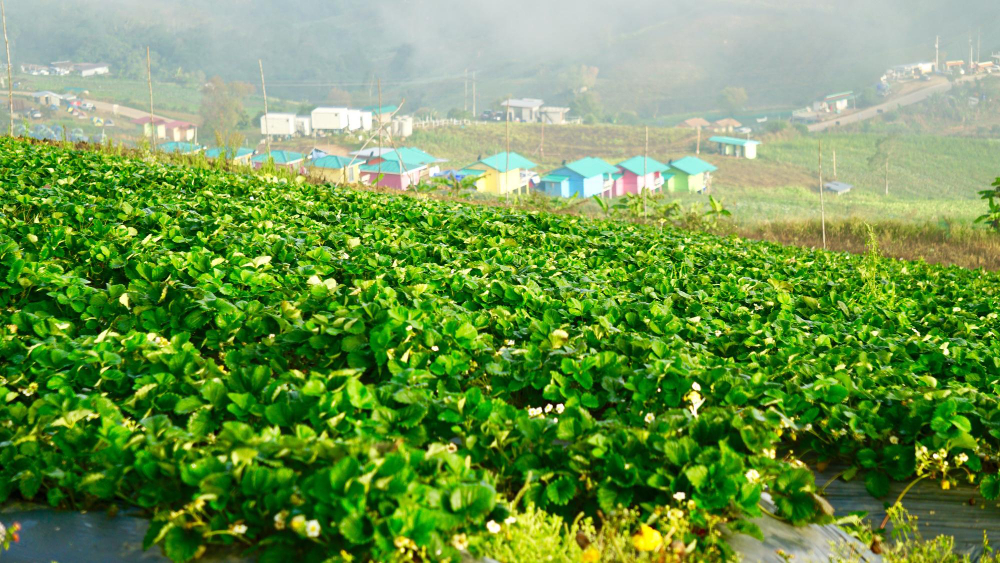
Rajasthan is India’s largest state by area and is known for its diverse landscapes, ranging from fertile agricultural lands to arid deserts. Farming plays a vital role in the state’s economy, but agriculture in Rajasthan faces significant challenges due to limited rainfall, high temperatures, and water scarcity. To overcome these challenges, farmers are increasingly adopting modern irrigation systems that maximize water efficiency while improving crop productivity.
Choosing the right irrigation system is essential for sustainable agriculture in Rajasthan. Modern irrigation methods not only help conserve precious water resources but also ensure healthier crops, lower production costs, and higher yields. In this guide, we explore the best irrigation systems for agriculture in Rajasthan and how they can benefit farmers across the state.
Why Efficient Irrigation Is Important in Rajasthan
Rajasthan receives relatively low and uneven rainfall compared to many other Indian states. In several regions, agriculture depends heavily on groundwater, canals, and stored rainwater. Traditional irrigation methods often result in excessive water loss through evaporation, runoff, and seepage.
Modern irrigation systems help farmers:
- Use water more efficiently
- Improve crop yields
- Reduce irrigation costs
- Minimize water wastage
- Support sustainable farming
- Improve soil moisture management
- Increase farm profitability
By adopting efficient irrigation techniques, farmers can make the most of every drop of water available.
Common Agricultural Crops in Rajasthan
Different crops require different irrigation methods. Some of the major crops grown in Rajasthan include:
- Wheat
- Mustard
- Bajra (Pearl Millet)
- Maize
- Cotton
- Groundnut
- Cumin
- Coriander
- Gram
- Guar
- Vegetables
- Pomegranate
- Citrus Fruits
Selecting an irrigation system based on crop type and water availability can significantly improve productivity.
1. Drip Irrigation System
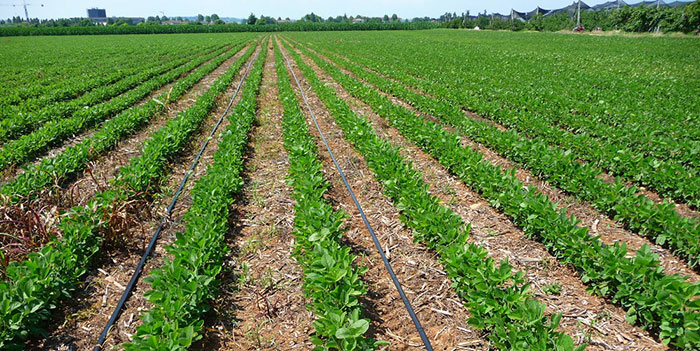
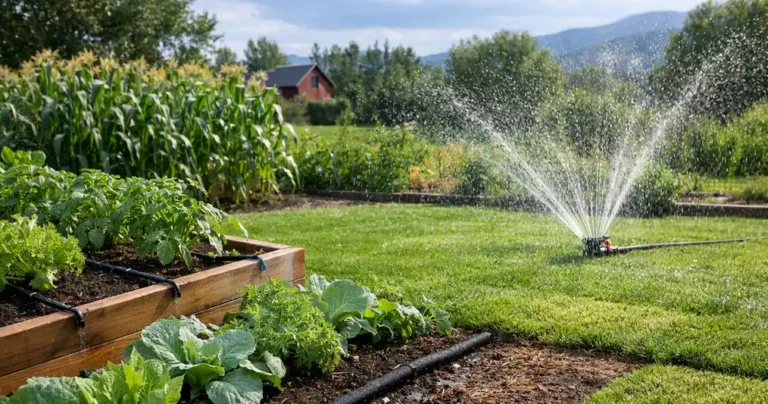
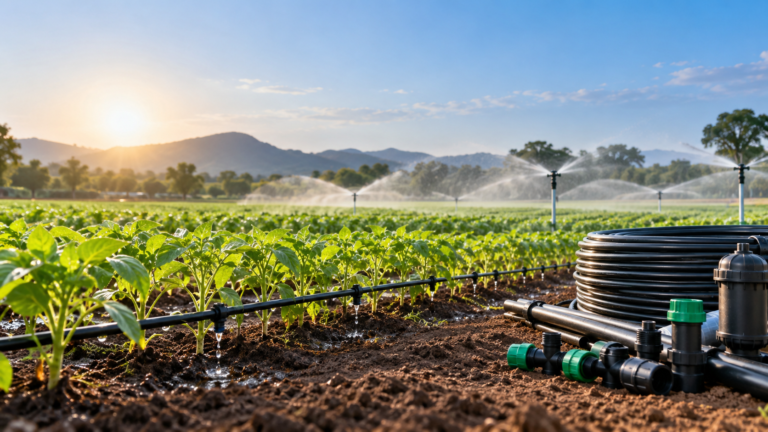
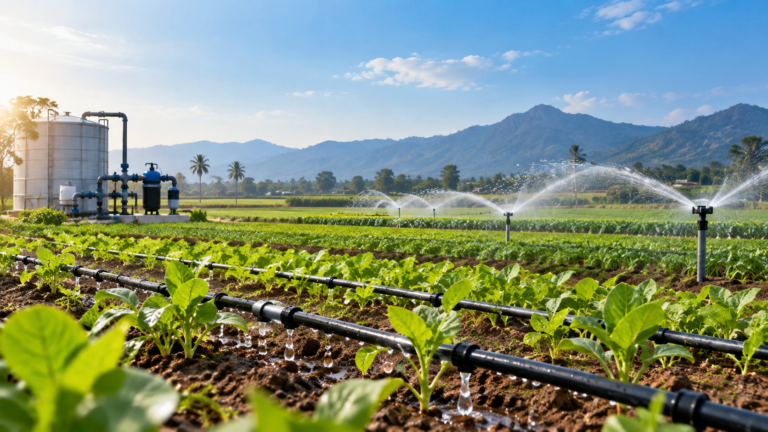
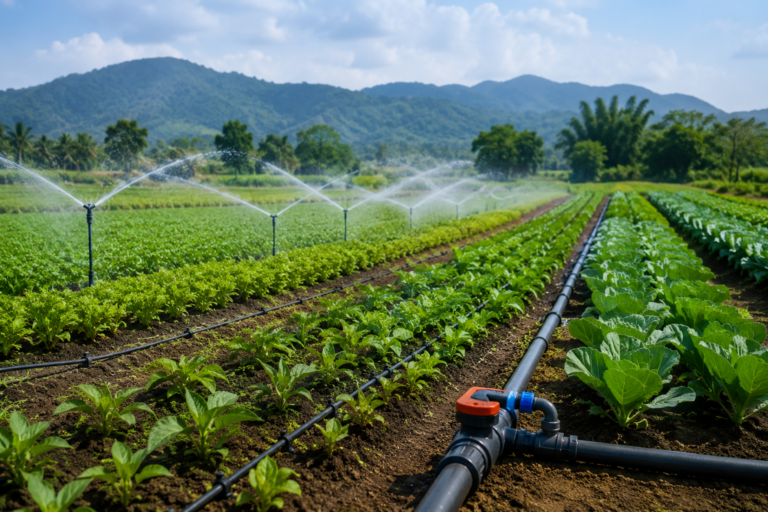
Drip irrigation is considered one of the most efficient irrigation methods for Rajasthan’s dry climate. It delivers water directly to the root zone of plants through pipes, laterals, and emitters.
Benefits of Drip Irrigation
- Saves up to 50–70% more water than traditional irrigation
- Reduces evaporation losses
- Improves crop quality
- Supports fertigation
- Reduces weed growth
- Minimizes soil erosion
- Increases crop yields
Drip irrigation is especially suitable for orchards, vegetables, vineyards, pomegranate, citrus, cotton, and horticultural crops.
For water-scarce regions of Rajasthan, drip irrigation is often the most effective long-term solution.
2. Sprinkler Irrigation System
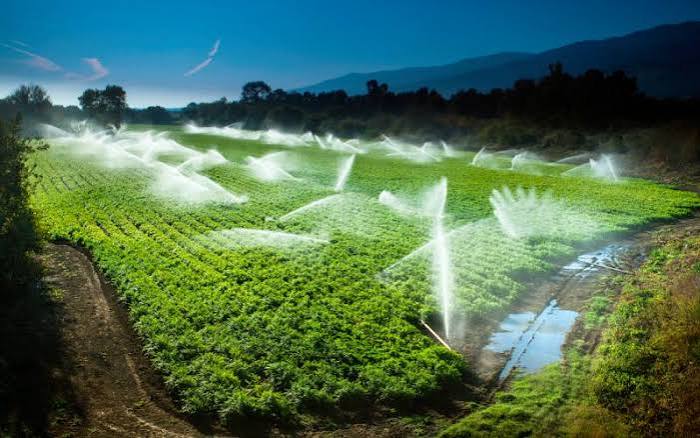
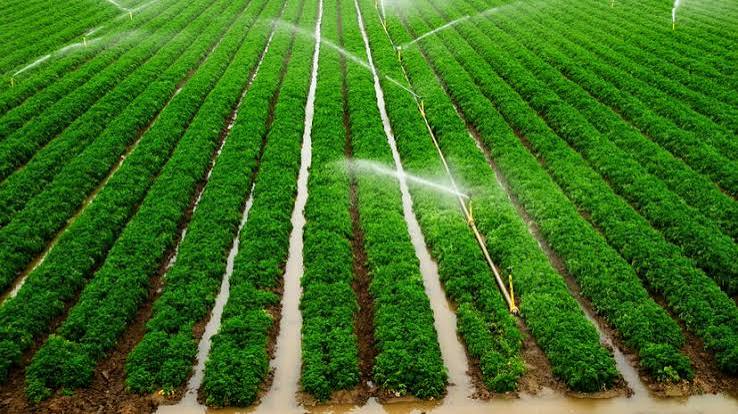
Sprinkler irrigation distributes water evenly across fields through pressurized sprinklers that simulate natural rainfall.
Advantages
- Uniform water distribution
- Suitable for sandy soils
- Ideal for uneven land
- Lower labor requirements
- Easy automation
- Better moisture management
Sprinkler irrigation is commonly used for wheat, mustard, bajra, fodder crops, and vegetables.
It performs particularly well in areas where surface irrigation is difficult.
3. Micro Irrigation Systems
Micro irrigation combines various water-saving techniques such as drip irrigation, micro sprinklers, bubblers, and mini sprinklers.
Benefits
- Highly efficient water application
- Reduced water wastage
- Better nutrient management
- Improved plant growth
- Lower operating costs
Micro irrigation is widely recommended for fruit crops, nurseries, greenhouses, and commercial farming.
4. Rain Gun Irrigation
Rain gun irrigation systems use high-pressure sprinklers capable of irrigating large areas quickly.
Advantages
- Covers large fields
- Suitable for field crops
- Portable equipment
- Fast irrigation
- Easy installation
Rain guns are commonly used for crops like wheat, maize, groundnut, fodder crops, and large agricultural fields.
5. Center Pivot Irrigation
Large commercial farms increasingly use center pivot irrigation systems.
These automated systems rotate around a central point and irrigate circular fields efficiently.
Benefits
- Minimal labor
- Uniform irrigation
- High efficiency
- Automation support
- Suitable for large farms
Although installation costs are higher, center pivot systems offer long-term benefits for commercial agriculture.
Smart Irrigation Technologies
Modern irrigation is no longer limited to pipes and sprinklers. Smart technologies are helping farmers optimize water usage like never before.
Soil Moisture Sensors
These sensors monitor moisture levels in real time and trigger irrigation only when necessary.
Automated Irrigation Controllers
Controllers automatically operate irrigation systems according to crop requirements.
Weather-Based Irrigation
Weather stations and climate data help adjust irrigation schedules based on rainfall, humidity, and temperature.
Mobile App Monitoring
Many irrigation systems can now be monitored and controlled remotely using smartphones.
These technologies reduce water waste while improving crop performance.
Government Support for Irrigation in Rajasthan
To encourage water conservation and modern farming practices, both the Government of India and the Government of Rajasthan provide support for micro irrigation projects through various agricultural schemes.
Eligible farmers may receive financial assistance for:
- Drip irrigation systems
- Sprinkler irrigation systems
- Water storage structures
- Solar-powered irrigation pumps
- Modern irrigation equipment
Farmers should check the latest eligibility criteria and subsidy programs available in their district before investing in a new irrigation system.
How to Choose the Right Irrigation System
Selecting the best irrigation system depends on several important factors.
Crop Type
Fruit crops and vegetables benefit greatly from drip irrigation, while cereals often perform well with sprinkler systems.
Soil Type
Sandy soils require frequent irrigation, whereas clay soils retain moisture longer.
Water Availability
Areas with limited groundwater should prioritize water-efficient irrigation methods.
Farm Size
Small farms often benefit from drip systems, while large farms may prefer sprinkler or center pivot irrigation.
Budget
Farmers should compare installation costs with long-term water savings and increased crop yields before making a decision.
Benefits of Modern Irrigation Systems
Investing in modern irrigation offers numerous long-term advantages.
Water Conservation
Efficient systems minimize evaporation and runoff, ensuring that more water reaches plant roots.
Higher Crop Yields
Proper irrigation supports healthy plant growth, better flowering, and improved harvest quality.
Lower Production Costs
Automation reduces labor, while efficient water use lowers pumping and energy expenses.
Better Fertilizer Efficiency
Many irrigation systems support fertigation, allowing nutrients to be delivered directly to crops.
Sustainable Farming
Responsible water management protects natural resources and supports environmentally friendly agriculture.
The Future of Irrigation in Rajasthan
With increasing pressure on water resources, Rajasthan is rapidly adopting precision agriculture and smart irrigation technologies. Innovations such as IoT-enabled irrigation, artificial intelligence, remote monitoring, satellite mapping, and automated water management systems are transforming farming across the state.
These advanced technologies enable farmers to make informed irrigation decisions, improve water-use efficiency, and increase agricultural productivity despite challenging climatic conditions.
As awareness and access to modern irrigation solutions continue to grow, Rajasthan is well-positioned to become a leader in sustainable agriculture.
Conclusion
Water is the foundation of successful farming in Rajasthan, and choosing the right irrigation system is one of the most important decisions a farmer can make. Drip irrigation, sprinkler systems, micro irrigation, rain guns, and center pivot irrigation each offer unique benefits depending on the crop, soil, and water availability.
Modern irrigation systems not only help conserve water but also improve crop yields, reduce production costs, and support long-term agricultural sustainability. By investing in efficient irrigation technology, farmers in Rajasthan can overcome water scarcity, increase productivity, and build a more profitable and resilient farming future.