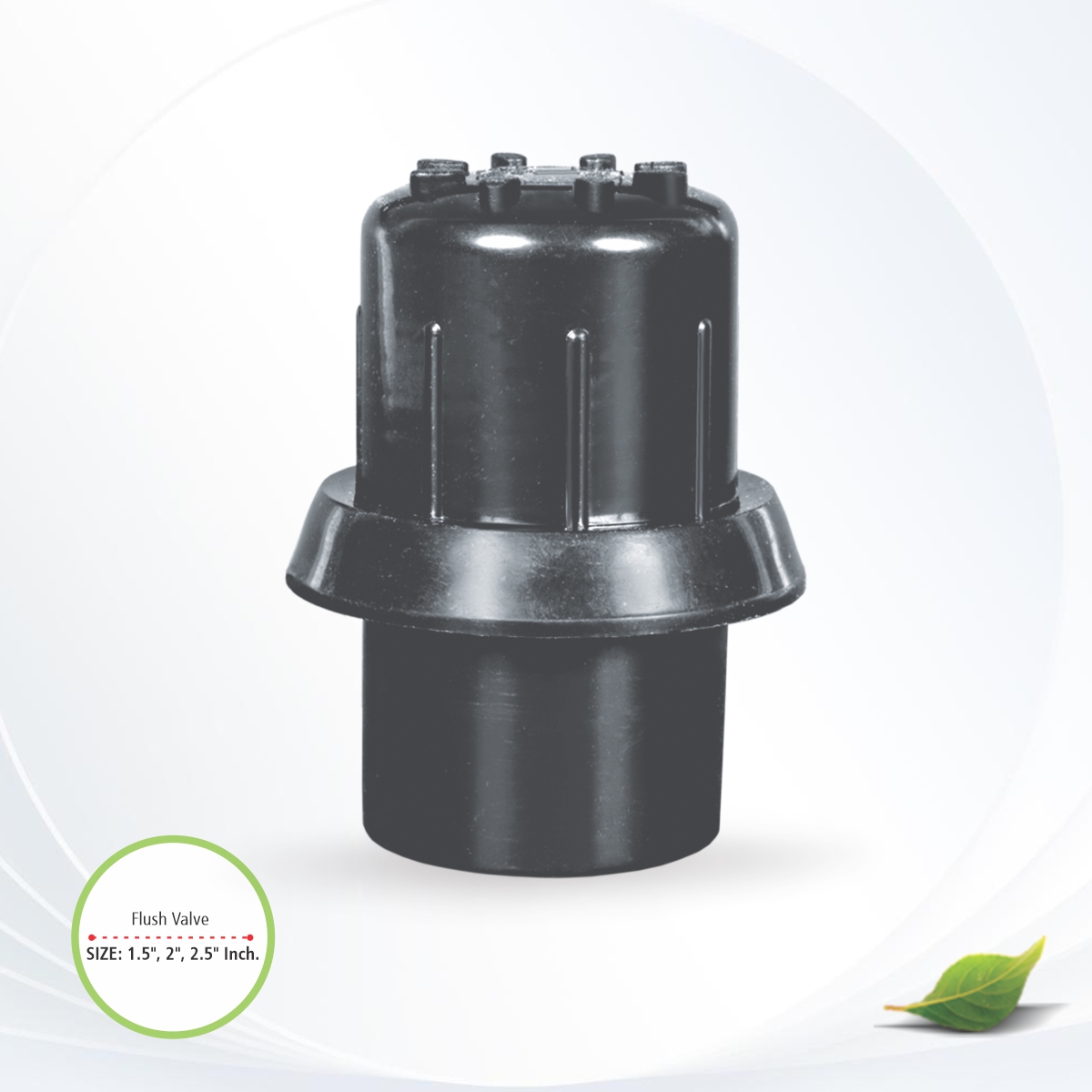
A flush valve is one of the most important components in a modern drip irrigation system. While pipes, filters, drippers, and valves often receive the most attention, the flush valve plays a critical role in maintaining the cleanliness and efficiency of the entire irrigation network. It helps remove dirt, sand, algae, and other accumulated debris from pipelines, ensuring a smooth and uninterrupted water flow.
Whether you are cultivating vegetables, fruits, cotton, sugarcane, orchards, vineyards, or greenhouse crops, installing a high-quality flush valve can significantly improve irrigation performance, reduce maintenance costs, and extend the life of your irrigation system.
In this guide, we’ll explore everything you need to know about flush valves, including their working principle, benefits, applications, features, installation process, maintenance tips, and factors to consider before buying.
What Is a Flush Valve?
A flush valve is an irrigation component designed to remove accumulated sediments, dirt particles, algae, sand, and other contaminants from drip irrigation pipelines. It is typically installed at the end of lateral lines, sub-main lines, or main pipelines.
As water flows through irrigation pipes, tiny particles gradually settle inside the pipelines. If these particles are not removed regularly, they can clog emitters, reduce water pressure, and negatively impact irrigation efficiency.
The flush valve provides an easy way to discharge these unwanted particles by releasing water from the pipeline whenever flushing is required.
Why Is a Flush Valve Important?
Even when a filtration system is installed, small particles can still enter irrigation lines over time.
Without periodic flushing, these particles may cause:
- Dripper clogging
- Uneven water distribution
- Reduced irrigation efficiency
- Higher maintenance costs
- Increased pressure loss
- Shortened system lifespan
A quality flush valve prevents these issues by cleaning the irrigation pipeline quickly and effectively.
How Does a Flush Valve Work?
The operation of a flush valve is simple yet highly effective.
- Water carries dirt, sand, algae, and sediments through the irrigation pipeline.
- These impurities gradually settle at the lowest points or end of the pipeline.
- When the flush valve is opened, water flows rapidly out of the pipe.
- The high-speed water carries accumulated debris outside the pipeline.
- After cleaning is complete, the valve is closed and normal irrigation resumes.
Regular flushing keeps irrigation lines clean and ensures consistent water flow.
Key Features of a High-Quality Flush Valve
A premium flush valve offers several important features that improve durability and performance.
Durable Construction
Manufactured using high-quality engineering plastic or UV-stabilized materials for long service life.
Corrosion Resistance
Designed to withstand fertilizers, chemicals, and varying water quality without rusting.
Leak-Proof Design
Precision manufacturing ensures tight sealing and prevents water leakage.
Easy Operation
Simple opening and closing mechanism for quick flushing.
High Pressure Resistance
Suitable for both low-pressure and high-pressure drip irrigation systems.
Weather Resistant
Performs reliably under harsh sunlight, heat, rain, and outdoor conditions.
Long Service Life
Requires minimal maintenance and offers dependable operation for years.
Benefits of Using a Flush Valve
Prevents Dripper Clogging
One of the biggest reasons for installing a flush valve is preventing emitter blockage.
Clean pipelines ensure uninterrupted water flow throughout the irrigation system.
Improves Irrigation Uniformity
When pipelines remain clean, every plant receives nearly the same amount of water.
This improves crop uniformity and growth.
Reduces Maintenance Costs
Regular flushing minimizes manual cleaning and reduces repair expenses.
Extends System Life
Removing accumulated debris protects:
- Laterals
- Pipes
- Emitters
- Filters
- Valves
This increases the overall lifespan of the irrigation system.
Saves Water
Blocked pipelines often require longer irrigation cycles.
A clean system delivers water more efficiently, reducing wastage.
Improves Fertigation Performance
When fertilizers are injected through drip irrigation, clean pipelines ensure nutrients reach every plant evenly.
Better Crop Growth
Consistent water distribution promotes:
- Healthy roots
- Better flowering
- Higher fruit quality
- Increased crop yield
Applications of Flush Valves
Flush valves are suitable for various agricultural irrigation systems.
Vegetable Farming
Ideal for:
- Tomato
- Chilli
- Brinjal
- Onion
- Cabbage
- Cauliflower
Fruit Orchards
Commonly used in:
- Mango
- Pomegranate
- Banana
- Guava
- Citrus
- Papaya
Field Crops
Suitable for:
- Cotton
- Sugarcane
- Groundnut
- Maize
- Soybean
Greenhouses
Ensures accurate irrigation for protected cultivation.
Polyhouses
Maintains clean irrigation pipelines in controlled farming environments.
Nurseries
Provides reliable irrigation for seedlings and young plants.
Landscape Irrigation
Useful for:
- Gardens
- Parks
- Lawns
- Golf courses
Why Choose a High-Quality Flush Valve?
Not all flush valves provide the same performance.
A premium-quality valve offers:
- Better sealing
- Stronger body
- Longer life
- Smooth operation
- Improved flushing efficiency
- Better pressure handling
- Lower maintenance
Investing in quality reduces replacement costs over time.
Installation Guide
Proper installation ensures maximum efficiency.
Step 1
Identify the endpoint of the irrigation lateral or sub-main.
Step 2
Connect the flush valve securely using compatible fittings.
Step 3
Check for leaks after installation.
Step 4
Run water through the system.
Step 5
Open the flush valve for several seconds to remove debris.
Step 6
Close the valve tightly and resume irrigation.
Maintenance Tips
Proper maintenance helps achieve long-term performance.
- Flush pipelines regularly.
- Inspect the valve for leaks.
- Remove visible dirt around the valve.
- Replace damaged seals if required.
- Avoid excessive force while opening or closing.
- Check connections before every irrigation season.
Routine maintenance keeps the irrigation system operating efficiently.
Factors to Consider Before Buying a Flush Valve
Choosing the correct flush valve depends on several factors.
Pipe Size
Select a valve compatible with your irrigation pipeline diameter.
Water Pressure
Ensure the valve matches your operating pressure.
Material Quality
Choose UV-resistant, corrosion-resistant materials.
Leak Protection
A precision sealing mechanism reduces water loss.
Ease of Maintenance
Simple designs save time during cleaning.
Compatibility
The valve should fit your existing drip irrigation components without modification.
Best Practices for Maximum Performance
To maximize irrigation efficiency:
- Flush pipelines regularly.
- Clean filters periodically.
- Inspect emitters for blockage.
- Use clean water whenever possible.
- Maintain recommended operating pressure.
- Replace worn irrigation components on time.
Following these practices ensures reliable irrigation performance throughout the growing season.
Environmental Benefits
A properly functioning irrigation system contributes to sustainable farming.
Advantages include:
- Lower water wastage
- Improved water-use efficiency
- Reduced energy consumption
- Better fertilizer utilization
- Healthier crop production
- Sustainable agricultural practices
Conclusion
A high-quality flush valve is a small yet essential component that has a significant impact on the performance of any drip irrigation system. By efficiently removing dirt, sediment, algae, and other impurities from irrigation pipelines, it helps prevent clogging, maintain consistent water pressure, improve irrigation uniformity, and extend the lifespan of the entire system.
Whether you manage a small farm, a large agricultural field, a greenhouse, or an orchard, investing in a durable and reliable flush valve ensures cleaner pipelines, lower maintenance costs, and better crop productivity. Regular flushing, combined with proper installation and maintenance, supports efficient water management and sustainable farming practices.
Choosing the right flush valve for drip irrigation is a smart investment that enhances system reliability, conserves water, and helps farmers achieve healthier crops with greater efficiency.