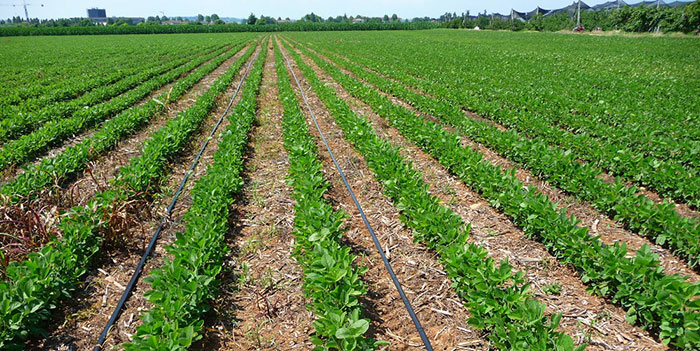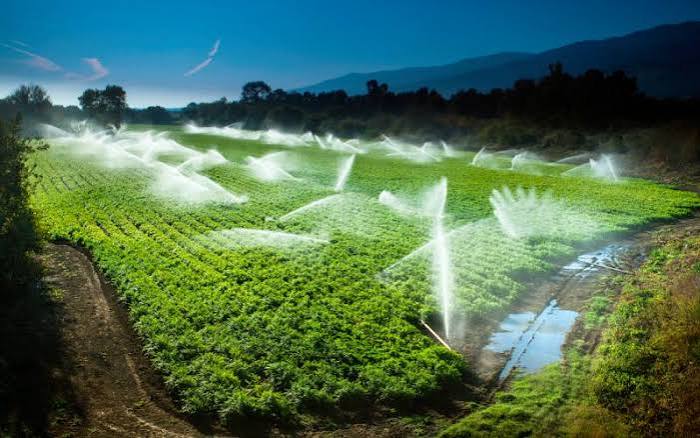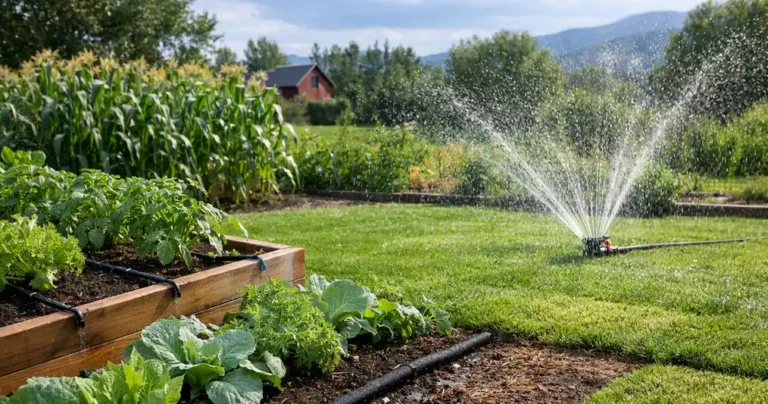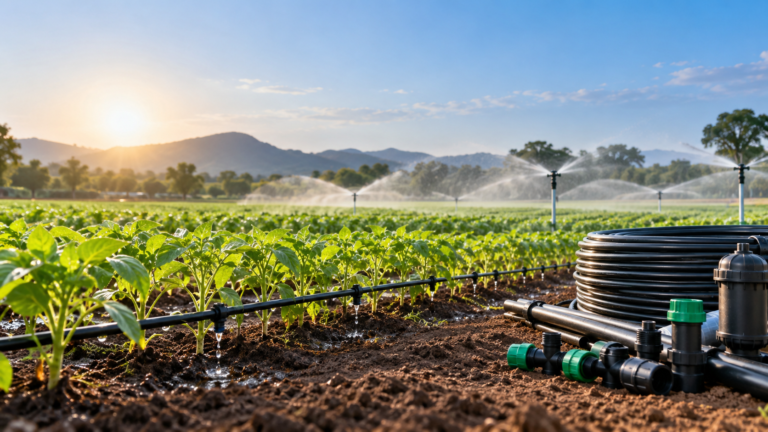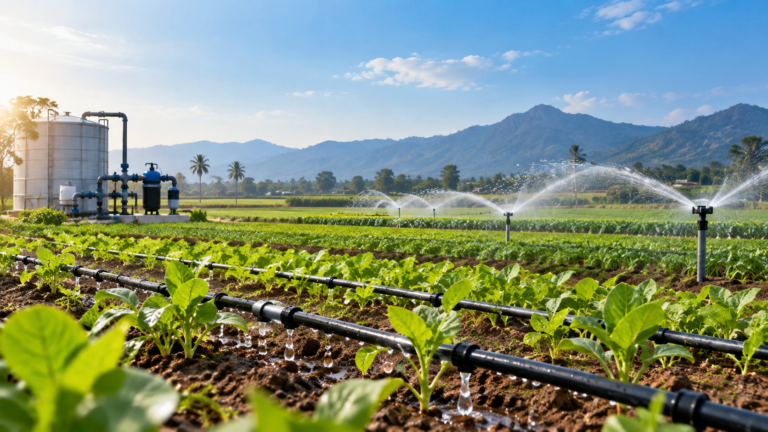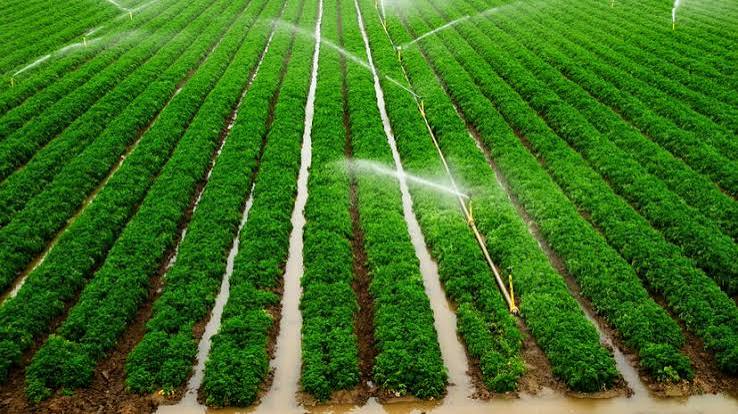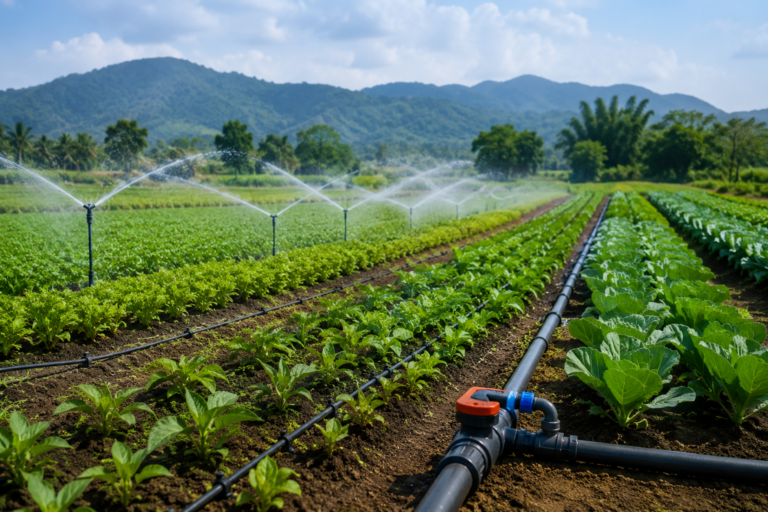
Water is one of the most valuable resources in agriculture, making efficient irrigation systems essential for modern farming. Whether it’s drip irrigation, sprinkler irrigation, rain gun systems, or large-scale agricultural water distribution, maintaining consistent water flow is crucial for healthy crop growth and higher productivity. One of the most important components that ensures smooth water control in these systems is the butterfly valve.
Butterfly valves are widely used because they provide reliable flow control, quick operation, low maintenance, and long service life. Their lightweight design and excellent sealing capability make them ideal for agricultural irrigation networks, industrial water supply, and municipal water management.
In this comprehensive guide, we’ll explore how butterfly valves improve water flow in modern irrigation systems, their working principle, benefits, applications, maintenance tips, and how to choose the right valve for your irrigation project.
What Is a Butterfly Valve?
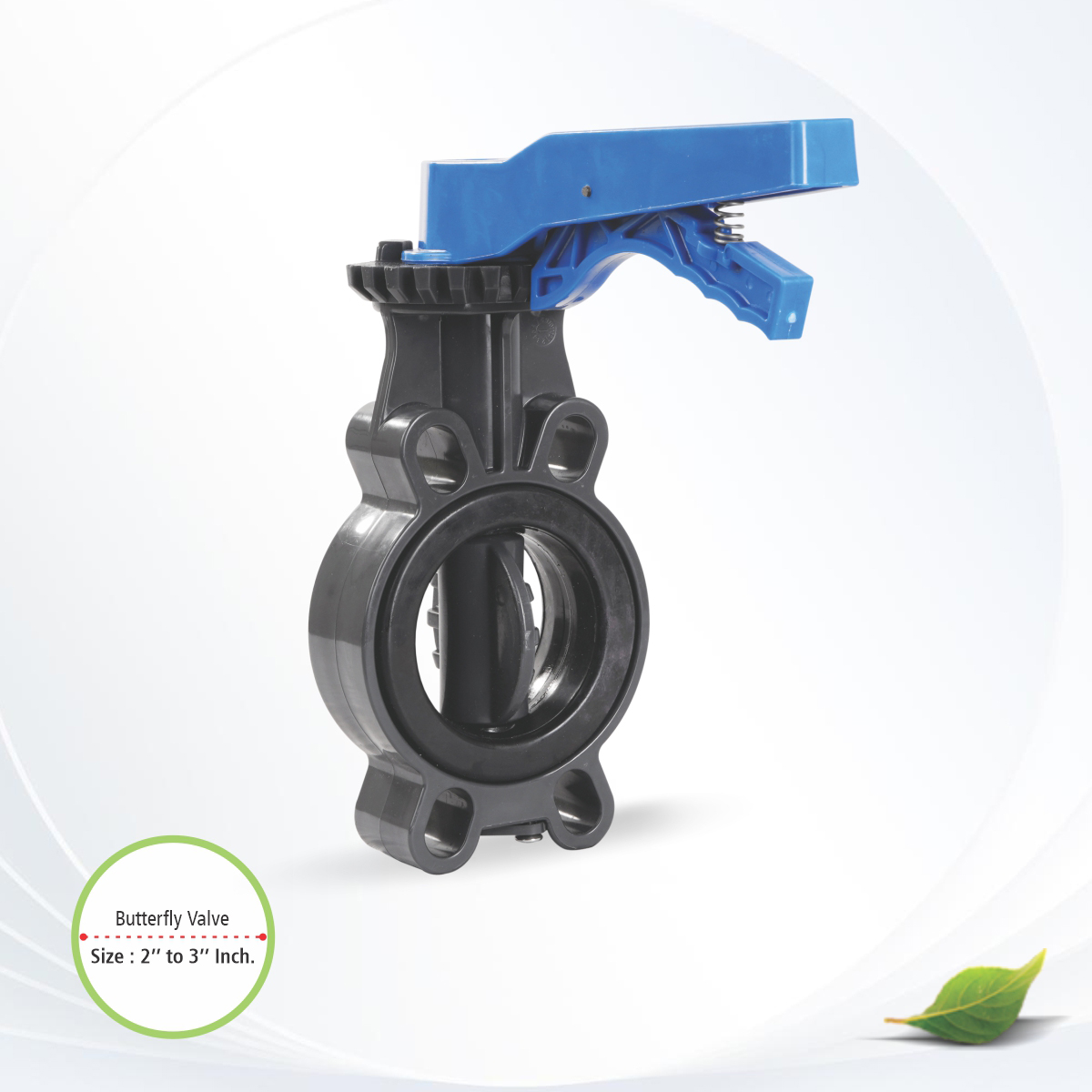
A butterfly valve is a quarter-turn valve used to regulate, isolate, or control the flow of water through pipelines. It consists of a circular disc mounted on a rotating shaft. When the handle or actuator rotates the disc by 90 degrees, the valve opens or closes.
Unlike traditional gate valves, butterfly valves offer faster operation while requiring less space and maintenance.
Its simple construction makes it one of the most efficient valves used in irrigation systems across farms, greenhouses, orchards, and industrial applications.
How Does a Butterfly Valve Work?
The working principle of a butterfly valve is simple.
When the handle is turned:
- The disc rotates parallel to the water flow.
- Water passes through the pipeline with minimal resistance.
- Flow remains smooth and efficient.
When closing:
- The disc rotates perpendicular to the pipeline.
- Water flow is completely stopped.
- Tight sealing prevents leakage.
Because it requires only a quarter-turn operation, opening and closing are extremely fast compared to many other valve types.
Importance of Water Flow Control in Irrigation
Efficient irrigation depends on maintaining the correct pressure and water distribution.
Without proper flow control, farmers often face:
- Uneven irrigation
- Water wastage
- Pressure fluctuations
- Leakage
- Reduced crop productivity
- Increased pumping costs
Butterfly valves solve these problems by allowing operators to control water precisely.
This leads to:
- Better irrigation efficiency
- Lower water consumption
- Uniform crop watering
- Reduced operational costs
How Butterfly Valves Improve Water Flow
1. Smooth Water Distribution
Butterfly valves provide controlled water movement throughout irrigation pipelines.
The streamlined disc design minimizes turbulence and ensures uniform water delivery across the field.
This helps every plant receive nearly equal water supply.
2. Quick Flow Adjustment
Farmers often need to increase or decrease water flow depending on:
- Crop type
- Weather conditions
- Soil moisture
- Irrigation schedule
A butterfly valve allows instant adjustment with only a quarter turn.
This saves time during irrigation operations.
3. Reduced Pressure Loss
One major advantage of butterfly valves is their relatively low pressure drop.
Proper pressure management is essential for:
- Drip irrigation
- Sprinkler systems
- Rain gun irrigation
- Fertigation systems
Stable pressure improves irrigation efficiency while protecting irrigation equipment.
4. Prevents Water Wastage
Water conservation has become a major priority in agriculture.
Butterfly valves help reduce wastage by:
- Completely shutting off unused pipeline sections
- Preventing unnecessary water discharge
- Improving system efficiency
- Supporting precision irrigation
5. Supports Large Irrigation Networks
Large agricultural projects require valves capable of handling high water flow.
Butterfly valves are available in large diameters, making them ideal for:
- Mainline pipelines
- Pump houses
- Reservoir outlets
- Distribution manifolds
6. Improves Pump Efficiency
Proper flow control reduces unnecessary load on irrigation pumps.
Benefits include:
- Lower electricity consumption
- Longer pump life
- Reduced maintenance
- Better overall irrigation performance
Key Benefits of Butterfly Valves
Lightweight Construction
Compared to many other valve types, butterfly valves are lighter and easier to install.
Space Saving
Their compact design allows installation even in limited spaces.
Easy Operation
Only a quarter-turn is required to fully open or close the valve.
Leak-Proof Sealing
High-quality rubber seats provide excellent sealing performance.
Corrosion Resistance
Modern butterfly valves are manufactured using corrosion-resistant materials suitable for water and fertilizer applications.
Long Service Life
With proper maintenance, butterfly valves provide years of reliable operation.
Low Maintenance
Simple internal construction reduces maintenance requirements and repair costs.
Types of Butterfly Valves Used in Irrigation
Manual Butterfly Valve
Operated using a lever or gearbox.
Suitable for:
- Farms
- Irrigation networks
- Small pumping stations
Gear Operated Butterfly Valve
Used for larger pipelines where additional torque is required.
Ideal for:
- Main irrigation pipelines
- Industrial water systems
Wafer Butterfly Valve
Installed between pipeline flanges.
Common in:
- Agricultural irrigation
- Industrial water supply
Lug Butterfly Valve
Provides easier maintenance because one side of the pipeline can be disconnected without affecting the other.
Applications of Butterfly Valves
Butterfly valves are widely used in:
- Drip irrigation systems
- Sprinkler irrigation
- Rain gun irrigation
- Agricultural water distribution
- HDPE pipeline systems
- PVC pipeline networks
- Greenhouse irrigation
- Fertigation systems
- Water treatment plants
- Municipal water supply
- Industrial water pipelines
- Reservoir management
- Pump houses
Choosing the Right Butterfly Valve
Before purchasing a butterfly valve, consider:
Pipeline Diameter
Choose the valve size that matches your irrigation pipeline.
Operating Pressure
Select a valve suitable for your system’s working pressure.
Material
Common materials include:
- Cast Iron
- Ductile Iron
- PVC
- Stainless Steel
Seal Quality
A durable rubber seat ensures long-lasting leak-proof performance.
Installation Method
Confirm whether your pipeline requires:
- Wafer type
- Lug type
- Flanged type
Installation Tips
For best performance:
- Clean the pipeline before installation.
- Align the valve correctly.
- Tighten flange bolts evenly.
- Test for leaks after installation.
- Avoid excessive force during operation.
Proper installation increases valve life and improves irrigation efficiency.
Maintenance Tips
Butterfly valves require minimal maintenance, but regular inspection helps maximize performance.
Recommended maintenance includes:
- Inspect seals for wear.
- Remove dirt and debris.
- Check for leakage.
- Lubricate moving parts if recommended by the manufacturer.
- Operate the valve periodically to prevent sticking.
Routine maintenance minimizes downtime and extends service life.
Why Farmers Prefer Butterfly Valves
Modern farmers choose butterfly valves because they offer:
- Reliable flow control
- Fast operation
- Water conservation
- Energy savings
- Low maintenance
- Affordable cost
- High durability
- Long operational life
These advantages make butterfly valves an essential component of efficient irrigation systems.
Future of Butterfly Valves in Smart Irrigation
As agriculture adopts smart irrigation technologies, butterfly valves continue to play an important role.
Many modern irrigation systems now integrate automated butterfly valves with:
- Pressure sensors
- Flow meters
- Remote monitoring
- Automated irrigation controllers
These innovations improve water-use efficiency, reduce labor, and support sustainable farming practices.
Conclusion
Butterfly valves are a critical component of modern irrigation systems, helping farmers manage water flow with precision, reliability, and efficiency. Their quarter-turn operation, low maintenance requirements, leak-proof sealing, and ability to handle large water volumes make them an ideal choice for drip irrigation, sprinkler systems, rain gun irrigation, and agricultural water distribution networks.
By selecting the right butterfly valve and maintaining it properly, farmers can improve irrigation performance, conserve water, reduce energy costs, and enhance crop productivity. As smart farming continues to evolve, butterfly valves will remain an essential solution for efficient water management and sustainable agriculture.