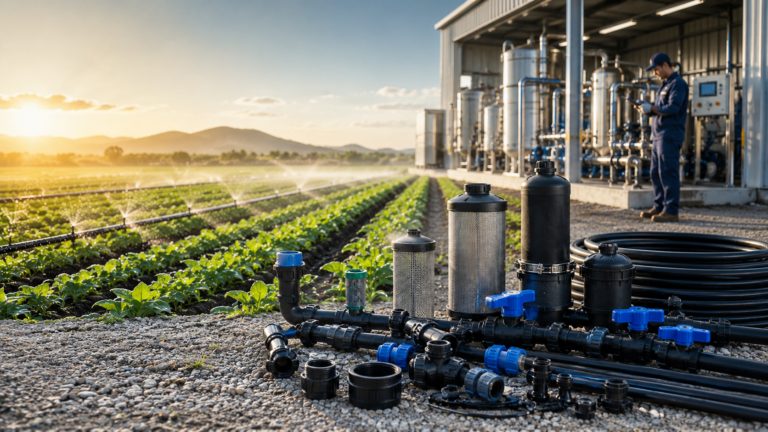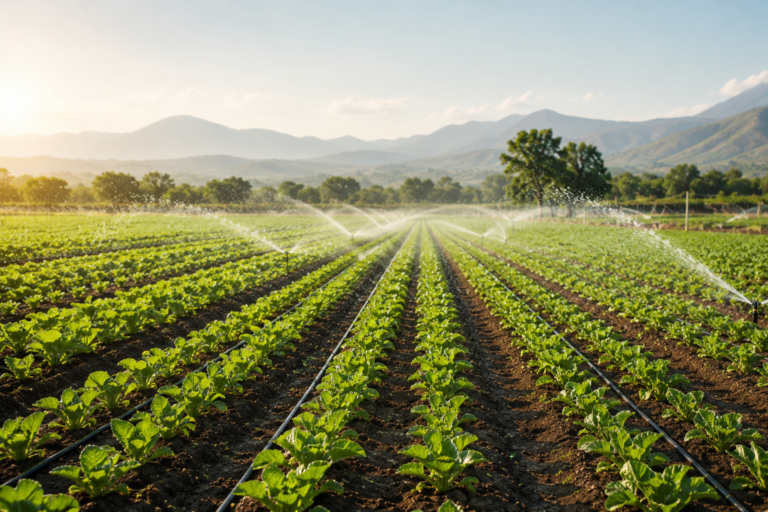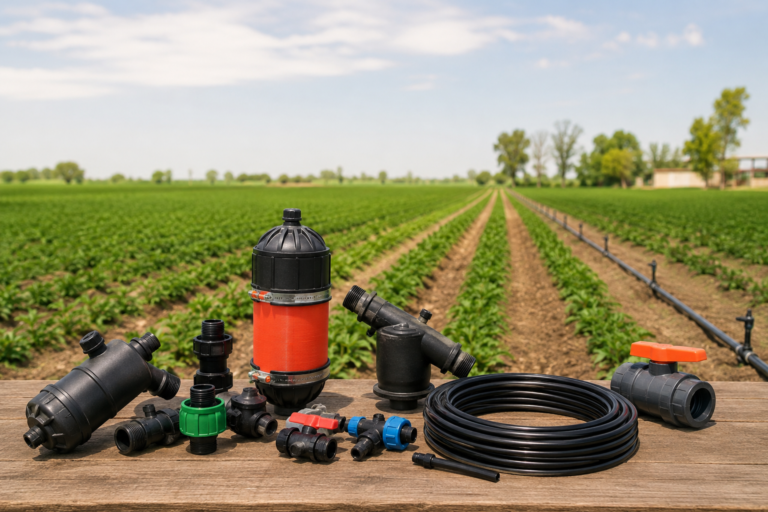
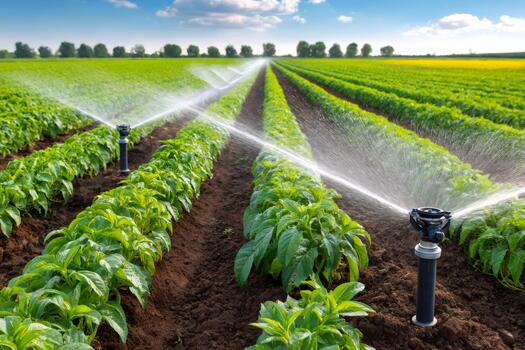
Efficient water management is essential for modern agriculture. With increasing pressure on water resources and the need for consistent crop production, farmers and agricultural businesses are looking for reliable irrigation systems that deliver water where and when crops need it. Choosing an experienced irrigation manufacturer in Kolkata can help farmers access suitable drip irrigation, sprinkler irrigation, micro irrigation, pipes, filters, valves, and other agricultural water-management solutions.
Kolkata and the surrounding regions have diverse agricultural requirements, from vegetable cultivation and horticulture to nurseries, plantations, landscaping, and protected farming. A professionally designed irrigation system can help provide controlled water distribution while supporting efficient farm operations.
What Does an Irrigation Manufacturer in Kolkata Provide?
An irrigation manufacturer or irrigation system provider typically offers products and solutions designed to transport, filter, control, and distribute water across agricultural land.
Depending on the manufacturer, the product range may include:
- Drip irrigation systems
- Sprinkler irrigation systems
- Micro sprinklers
- Agricultural irrigation pipes
- HDPE and LLDPE pipes
- Drip laterals and emitters
- Screen and disc filters
- Irrigation valves
- Fertigation equipment
- Venturi injectors
- Foggers and misters
- Connectors and fittings
- Rain guns and sprinkler accessories
The right combination of products depends on the crop, field size, soil conditions, water source, pressure, and irrigation requirements.
Why Choose an Irrigation Manufacturer in Kolkata?
Working with a reliable irrigation manufacturer in Kolkata can make the process of selecting and implementing an irrigation system easier. Instead of purchasing unrelated components, farmers can seek a coordinated solution based on their agricultural application.
A professional irrigation company can help with product selection, system planning, technical guidance, installation requirements, and maintenance recommendations.
Local accessibility can also be useful for agricultural businesses because transportation, communication, product availability, and technical support can be easier to manage.
For larger agricultural projects, choosing a manufacturer or irrigation solution provider with experience in complete system design can be particularly valuable.
Drip Irrigation Solutions for Precision Water Management
Drip irrigation is one of the most popular modern irrigation methods for crops that benefit from controlled water delivery.
In a drip system, water is transported through pipes and delivered near the root zone through emitters or drippers. This allows water to be applied in controlled quantities rather than distributing it across the entire field.
A typical drip irrigation system may include:
- Mainline and sub-main pipes
- Drip laterals
- Emitters
- Filters
- Pressure regulators
- Valves
- Fertilizer injectors
- Connectors and fittings
Drip irrigation can be used for vegetables, fruits, plantations, nurseries, horticulture, and protected cultivation.
One of its key advantages is the ability to manage water application according to crop requirements. It can also support fertigation, where soluble nutrients are delivered through the irrigation system.
Sprinkler Irrigation for Wider Field Coverage
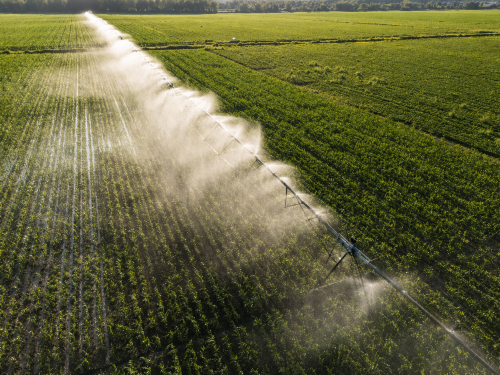
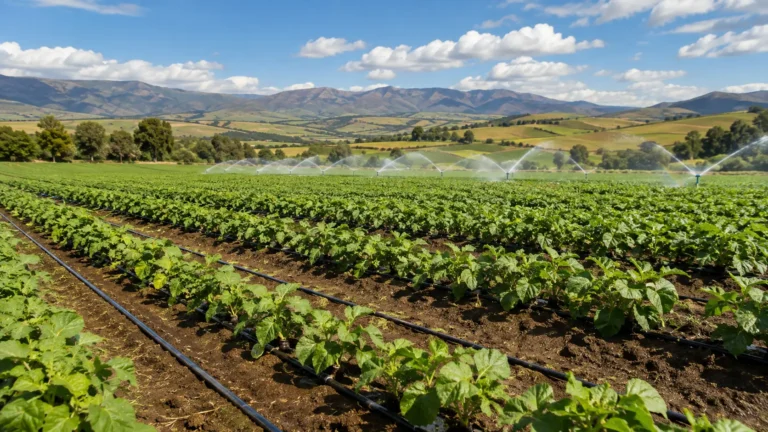
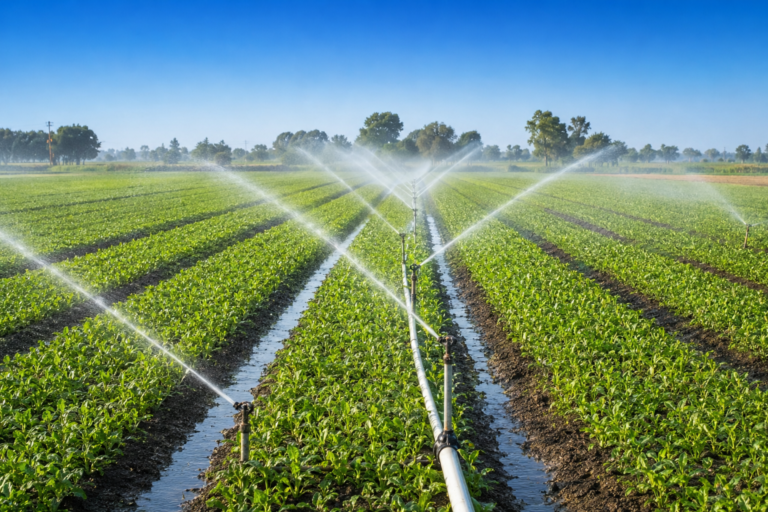
Sprinkler irrigation distributes water through pressurised sprinklers, creating a rainfall-like pattern over the agricultural area.
This method can be suitable for crops and applications where wider coverage is required. Depending on the farm layout, sprinkler systems can be fixed, portable, or designed for specific field applications.
Common sprinkler irrigation components include:
- Sprinkler heads
- HDPE pipes
- Risers
- Valves
- Quick-coupling fittings
- Filters
- Pressure-control components
- Pumps and accessories
Sprinkler systems can be used in agricultural fields, nurseries, plantations, lawns, landscaping, and other applications.
The correct sprinkler should be selected according to factors such as required coverage, water pressure, flow rate, soil type, and crop characteristics.
Micro Irrigation for Modern Farming
Micro irrigation refers to irrigation methods that apply water at relatively controlled rates and locations. Drip irrigation and micro sprinklers are common examples.
Micro irrigation can be especially useful for horticulture, orchards, nurseries, greenhouse cultivation, and crops requiring controlled water application.
A properly designed micro irrigation system can help farmers manage water distribution more precisely. The system can be configured according to plant spacing, soil characteristics, crop requirements, and available water.
For this reason, farmers should not select irrigation equipment only based on product price. System design and compatibility between components are equally important.
Irrigation Pipes, Filters and Fittings
Pipes and filtration equipment form the foundation of an efficient irrigation network.
HDPE pipes can be used for mainlines, sub-mainlines, and sprinkler applications, while suitable tubing and laterals can be used for drip systems.
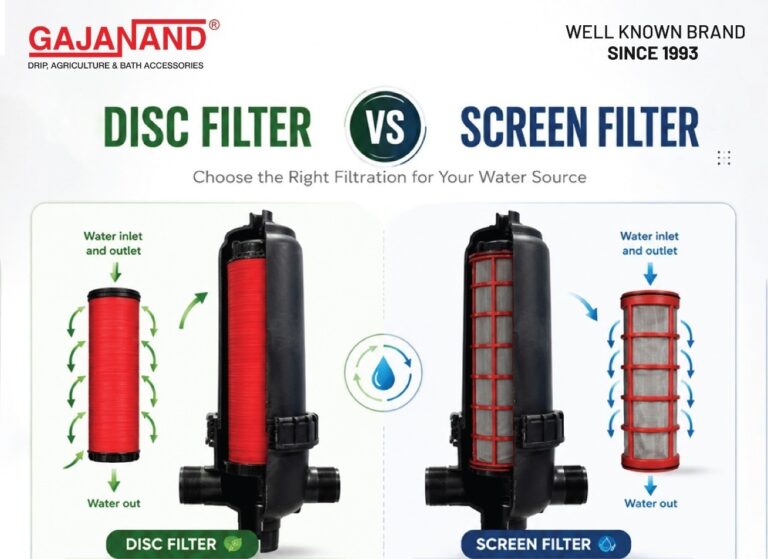
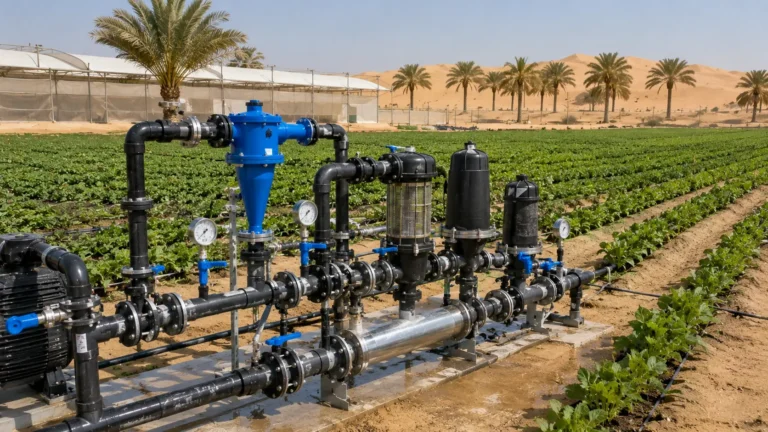
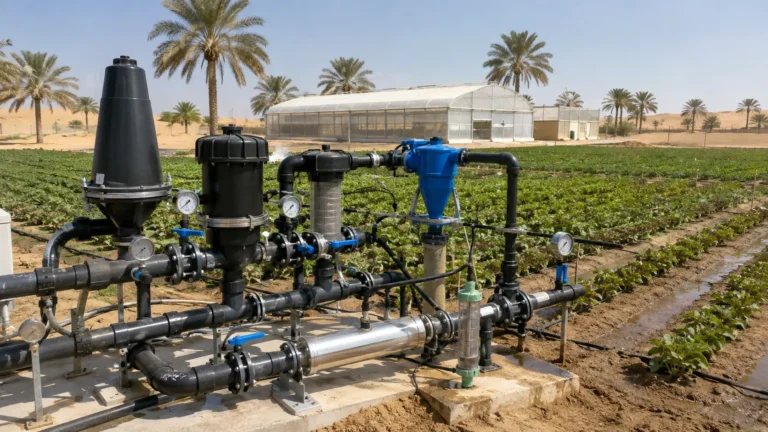
Filtration is another critical part of irrigation. Water containing sand, silt, organic particles, or other contaminants can affect irrigation components, particularly precision emitters and sprinklers.
Depending on the water source and application, irrigation systems may use:
- Screen filters
- Disc filters
- Sand or media filtration
- Hydrocyclone filters
- Air-release valves
- Pressure regulators
- Control valves
Selecting appropriate filtration can help maintain consistent system performance and reduce the risk of clogging.
How to Select the Best Irrigation Manufacturer in Kolkata
Choosing an irrigation manufacturer requires more than comparing prices. Consider the following factors before making a purchase.
1. Product Quality
Check the materials, manufacturing quality, durability, pressure rating, flow characteristics, and suitability for agricultural applications.
2. Product Range
A manufacturer with a broad product range can make it easier to source compatible pipes, filters, valves, emitters, sprinklers, and fittings.
3. Technical Expertise
The company should understand irrigation design and be able to recommend products based on crop, soil, field size, water source, and operating pressure.
4. Customised Solutions
Every farm is different. Ask whether the manufacturer can recommend a solution according to your specific field conditions and irrigation objectives.
5. Installation Support
For larger projects, installation and technical support can be important factors in achieving proper system performance.
6. After-Sales Service
Availability of replacement parts, technical assistance, and maintenance support can help extend the useful life of an irrigation system.
Benefits of Modern Irrigation Systems
Modern irrigation systems can offer several potential benefits when properly designed and operated:
- Controlled water application
- More uniform irrigation
- Better root-zone water management
- Reduced unnecessary water application
- Improved fertigation management
- Reduced manual watering requirements
- Better suitability for different crop layouts
- Easier irrigation scheduling
- Improved farm water management
The actual results depend on the irrigation method, system design, crop, soil, water quality, climate, maintenance, and operating practices.
Irrigation Solutions for Different Crops and Applications
Different agricultural applications require different irrigation approaches.
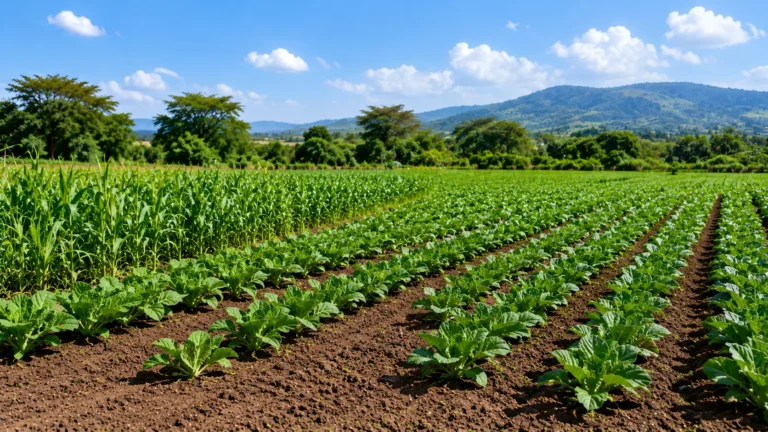
Vegetable Crops: Drip irrigation can deliver water along crop rows and support controlled irrigation.
Fruit Orchards: Drip irrigation and micro sprinklers can be selected based on tree spacing and water requirements.
Nurseries: Micro sprinklers, foggers, and drip systems can be used depending on plant type and growing conditions.
Plantations: Sprinkler and drip systems can be designed for larger cultivated areas.
Greenhouses: Drip irrigation, micro sprinklers, and fogging systems may be used for controlled cultivation environments.
A professional irrigation manufacturer can help determine which system and components are appropriate for a specific application.
Drip vs Sprinkler Irrigation: Which Is Better?
There is no universal answer because the best irrigation method depends on the application.
Drip irrigation is generally preferred when water needs to be delivered close to individual plants or crop rows.
Sprinkler irrigation can be more suitable when broader coverage over a field is required.
When selecting between the two, consider crop type, spacing, soil, water availability, field size, pressure, installation cost, and maintenance requirements.
Why Complete Irrigation Solutions Matter
An irrigation system works as a network. Pipes, filters, valves, emitters, sprinklers, and connectors must work together correctly.
Purchasing individual products without considering system compatibility can create problems with pressure, filtration, water distribution, and maintenance.
A complete irrigation solution allows farmers to plan the system as a whole. This can simplify product selection and help ensure that components are suitable for the intended application.
Frequently Asked Questions
Who is an irrigation manufacturer in Kolkata?
An irrigation manufacturer in Kolkata produces or supplies irrigation products and systems such as drip irrigation, sprinkler irrigation, micro irrigation equipment, pipes, filters, valves, fittings, emitters, and related agricultural water-management products.
Which irrigation system is best for agriculture?
The best system depends on crop type, soil, water source, field size, pressure, and irrigation requirements. Drip is suitable for controlled root-zone irrigation, while sprinkler systems can provide wider field coverage.
What products does an irrigation manufacturer supply?
Products can include drip lines, emitters, sprinklers, HDPE pipes, filters, valves, fittings, micro sprinklers, foggers, fertigation equipment, and other irrigation accessories.
Is drip irrigation suitable for vegetable farming?
Yes. Drip irrigation is widely used for many vegetable crops because it can deliver controlled amounts of water close to crop roots.
How do I choose an irrigation manufacturer in Kolkata?
Evaluate product quality, technical expertise, product range, system-design capability, installation support, after-sales service, and suitability of products for your specific agricultural application.
Can an irrigation manufacturer provide a customised system?
Many manufacturers and irrigation solution providers can recommend or design systems according to field size, crop type, water source, soil conditions, pressure, and irrigation requirements.
Conclusion
Finding the right irrigation manufacturer in Kolkata is an important step toward implementing an efficient agricultural water-management system. Whether the requirement is for drip irrigation, sprinkler irrigation, micro irrigation, HDPE pipes, filters, valves, or a complete irrigation solution, products should be selected according to the actual requirements of the farm.
A reliable manufacturer should combine quality irrigation products with technical knowledge, suitable system components, customisation options, and dependable support.
For farmers, nurseries, horticulture businesses, plantations, and commercial agricultural projects in Kolkata and West Bengal, modern irrigation technology can provide greater control over water distribution and irrigation management.
If you are planning a new irrigation system or upgrading an existing one, consult an experienced irrigation manufacturer in Kolkata to evaluate your crop, field conditions, water source, and application requirements. The right irrigation solution can help create a more organised, efficient, and sustainable approach to agricultural water management.