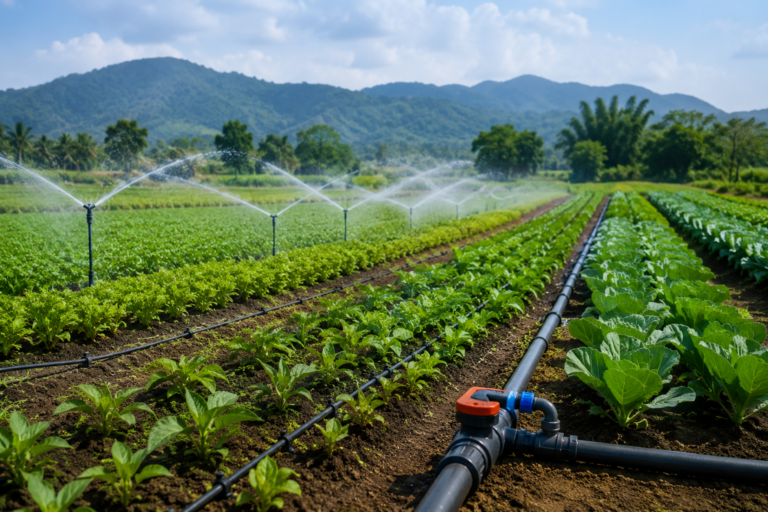
Efficient water management is one of the most important factors in successful farming. Whether you’re using drip irrigation, sprinkler irrigation, or other agricultural watering systems, every component plays a crucial role in ensuring smooth water flow and maximum efficiency. Among these essential components, the Foot Valve is often overlooked despite being one of the most important parts of an irrigation pumping system.
A high-quality foot valve helps maintain pump efficiency, prevents water backflow, protects irrigation equipment, and ensures a continuous water supply. For farmers looking to improve irrigation performance while reducing maintenance costs, investing in a durable foot valve is a smart decision.
In this guide, we’ll explore what a foot valve is, how it works, its benefits, applications, maintenance tips, and why choosing a premium-quality irrigation foot valve can improve the overall performance of your irrigation system.
What Is a Foot Valve?
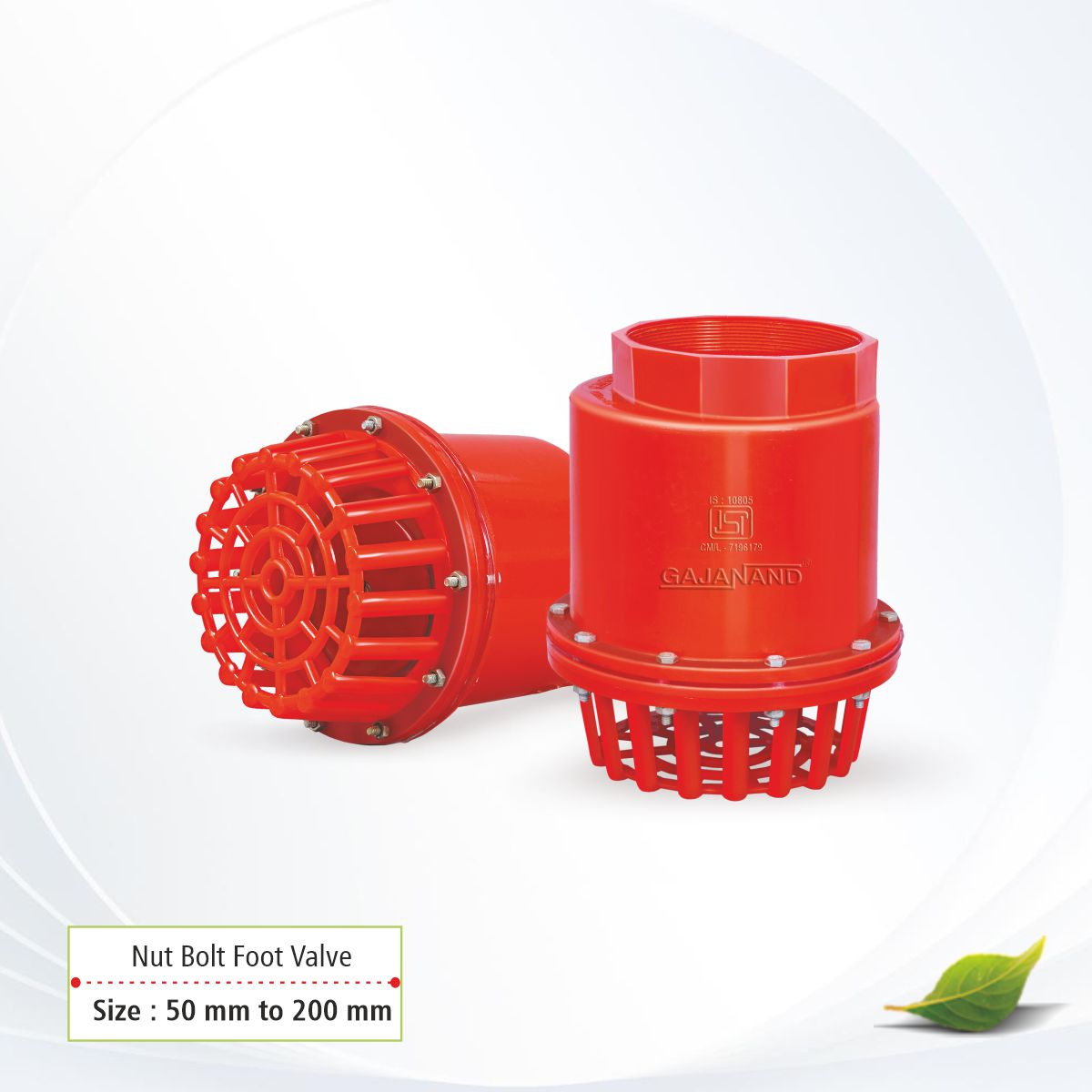
A Foot Valve is a special type of check valve installed at the suction end of a pipeline, usually submerged inside a water source such as an open well, pond, tank, canal, or reservoir. It allows water to flow in only one direction—from the water source to the pump—while preventing reverse flow when the pump is switched off.
Unlike a standard check valve, a foot valve includes a built-in strainer that filters out sand, stones, leaves, and other debris before they enter the pump.
Foot valves are generally manufactured using:
- High-quality engineering plastic
- Corrosion-resistant materials
- Stainless steel components (depending on application)
These materials ensure excellent durability and long service life even in harsh agricultural conditions.
How Does a Foot Valve Work?
The working principle of a foot valve is simple yet highly effective.
When the irrigation pump starts:
- Water flows through the strainer.
- The valve opens automatically.
- Water enters the suction pipeline.
- The pump receives a continuous water supply.
When the pump stops:
- The valve closes immediately.
- Water inside the pipeline cannot flow backward.
- The suction line remains full of water.
- Pump priming is maintained.
This prevents unnecessary pump restarting problems and significantly improves irrigation efficiency.
Top Benefits of Using a Foot Valve in Agricultural Irrigation Systems
1. Prevents Reverse Water Flow
The primary function of a foot valve is to stop water from flowing back into the source after the pump is turned off.
This prevents:
- Water loss
- Pressure drop
- Empty suction pipelines
- Pump priming issues
As a result, the irrigation system remains ready for the next pumping cycle.
2. Maintains Continuous Pump Priming
One of the biggest advantages of installing a foot valve is maintaining pump priming.
Without a foot valve, the suction line may empty after every shutdown, requiring the pump to be primed repeatedly.
A quality foot valve:
- Keeps water inside the suction line
- Reduces startup time
- Prevents air from entering the pipeline
- Ensures faster water delivery
3. Improves Pump Efficiency
A properly functioning foot valve allows pumps to operate under optimal conditions.
Benefits include:
- Better water flow
- Reduced pumping time
- Stable suction pressure
- Consistent irrigation performance
Efficient pumps consume less power while delivering more water.
4. Saves Energy
Frequent pump priming and dry starts increase electricity consumption.
Since a foot valve maintains the water column inside the suction pipe, the pump starts immediately without additional effort.
This results in:
- Lower energy bills
- Reduced motor load
- Improved operating efficiency
- Long-term cost savings
5. Protects the Pump from Dry Running
Dry running is one of the most common reasons for pump failure.
If the suction line becomes empty, the pump may continue running without water.
A foot valve helps prevent:
- Pump overheating
- Seal damage
- Motor wear
- Premature equipment failure
Protecting your pump means lower repair costs and longer service life.
6. Built-In Strainer Protects the Entire Irrigation System
Foot valves include an integrated strainer that prevents unwanted particles from entering the pipeline.
The strainer blocks:
- Sand
- Gravel
- Leaves
- Small stones
- Organic debris
- Sediments
This protects:
- Water pumps
- Drip emitters
- Sprinkler nozzles
- Filters
- Valves
- Pipelines
Cleaner water leads to fewer maintenance issues and smoother irrigation.
7. Increases Equipment Lifespan
Every irrigation component performs better when supplied with clean water and stable pressure.
Using a quality foot valve helps extend the life of:
- Pumps
- Pipelines
- Drip irrigation systems
- Sprinkler systems
- Control valves
- Filters
Reduced wear means fewer replacements and lower maintenance costs.
8. Minimizes Water Leakage
A properly sealed foot valve prevents unwanted leakage caused by reverse pressure.
High-quality sealing materials provide:
- Leak-proof operation
- Stable water pressure
- Reliable system performance
- Reduced water wastage
This makes irrigation more efficient while conserving valuable water resources.
9. Performs Well in Harsh Agricultural Conditions
Agricultural environments often expose irrigation equipment to:
- Mud
- Fertilisers
- Chemicals
- UV rays
- Moisture
- Corrosion
Modern foot valves are manufactured using corrosion-resistant materials that withstand demanding field conditions while maintaining consistent performance.
10. Easy Installation and Low Maintenance
Foot valves are designed for quick installation and simple maintenance.
Routine maintenance generally involves:
- Cleaning the strainer
- Inspecting seals
- Checking valve movement
- Removing accumulated debris
With proper care, a quality foot valve can provide reliable performance for many years.
Applications of Foot Valves
Foot valves are widely used across various irrigation and water management applications, including:
- Drip Irrigation Systems
- Sprinkler Irrigation Systems
- Agricultural Water Pumps
- Open Well Pumping
- Borewell Water Supply
- Farm Irrigation Networks
- Landscaping Irrigation
- Greenhouses
- Water Storage Tanks
- Water Transfer Systems
- Horticulture Farms
- Orchard Irrigation
Their versatility makes them an essential component for modern agricultural operations.
Why High-Quality Foot Valves Matter
Choosing a premium-quality foot valve offers several long-term advantages.
Look for features such as:
- Heavy-duty construction
- Corrosion-resistant materials
- Leak-proof sealing
- Durable check valve mechanism
- Strong integrated strainer
- High flow capacity
- Easy maintenance
- Long service life
A high-quality valve reduces downtime and ensures reliable irrigation throughout the growing season.
Complete Irrigation Solutions Under One Roof
A reliable irrigation system depends on the quality of every component working together. Along with premium Foot Valves, farmers and irrigation professionals often require a complete range of irrigation products for efficient water management.
Our comprehensive irrigation product range includes:
- Drip Irrigation Products
- Screen Filters
- Disc Filters
- HydroCyclone Filters
- Venturi Injectors
- Poly Fittings
- Header Assembly
- Ball Valves
- Flange End Ball Valves
- Flush Valves
- Service Saddles
- Compression Fittings
- Agriculture Valves
- Foot Valves
- Reflux Valves
- Check Valves
- Air Valves
- Valve Accessories
- Hose Collars
- Hose Connectors
- Hose Connector Tee
- Tank Joints
Each product is designed to deliver durability, efficient water distribution, and dependable performance in agricultural irrigation systems.
Tips for Maintaining Your Foot Valve
To maximise the performance and lifespan of your foot valve:
- Clean the strainer regularly to remove debris.
- Inspect the valve for wear or damage.
- Ensure all pipeline connections are leak-free.
- Replace worn seals when required.
- Avoid using damaged or cracked suction pipes.
- Periodically check pump suction performance.
- Use the correct valve size for your irrigation system.
Regular maintenance helps ensure uninterrupted irrigation and reduces costly repairs.
Conclusion
A Foot Valve is a small yet vital component that has a significant impact on the performance of agricultural irrigation systems. By preventing reverse flow, maintaining pump priming, protecting pumps from dry running, filtering debris, and ensuring efficient water delivery, a quality foot valve contributes to better crop irrigation and lower operating costs.
Whether you operate a drip irrigation system, sprinkler network, borewell, or open well pump, installing a durable foot valve improves reliability, saves energy, and extends the life of your irrigation equipment.
For farmers and irrigation professionals seeking long-lasting performance and efficient water management, investing in a premium-quality foot valve is a practical and cost-effective solution that supports sustainable agriculture for years to come.