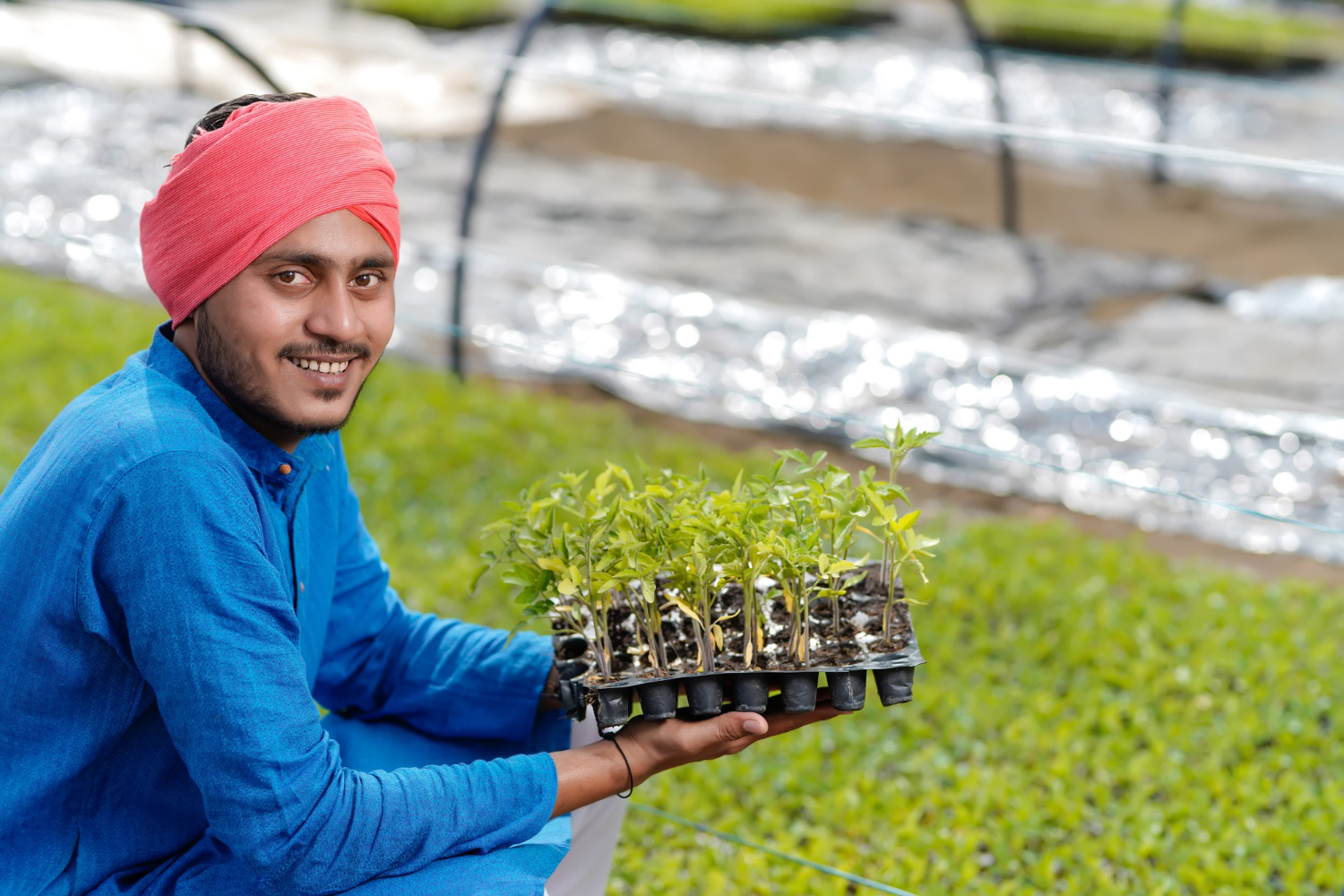
Rajasthan is one of India’s largest agricultural states, but it is also one of the most water-scarce regions in the country. Farmers often face challenges such as low rainfall, high temperatures, rapid evaporation, and declining groundwater levels. These conditions make efficient water management a top priority for successful farming. Among the various irrigation methods available today, drip irrigation has emerged as one of the most effective and sustainable solutions for agriculture in Rajasthan.
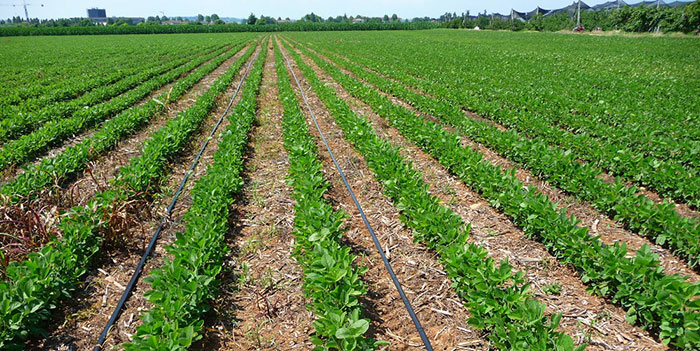
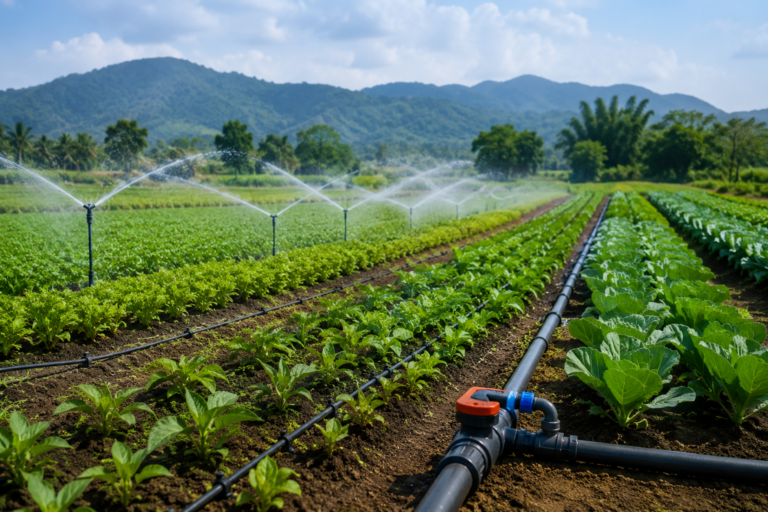
Drip irrigation delivers water directly to the root zone of plants through a network of pipes, laterals, and emitters. Unlike traditional flood irrigation, this system provides precise and controlled watering, ensuring that crops receive the right amount of water with minimal waste. As a result, farmers can improve crop yields, conserve water, reduce production costs, and promote sustainable agriculture.
Understanding Drip Irrigation
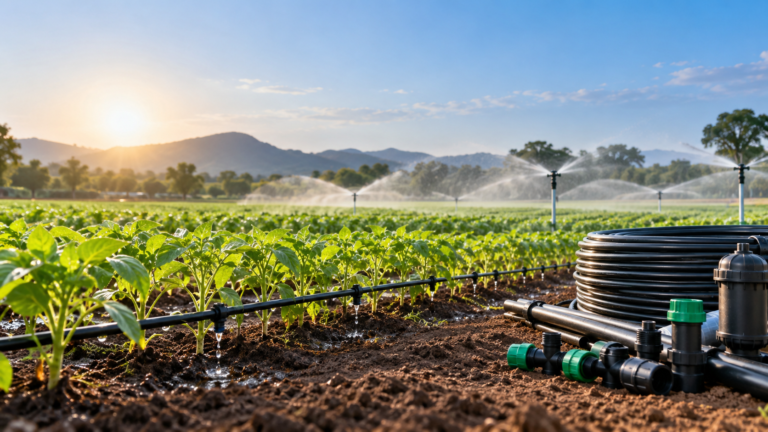
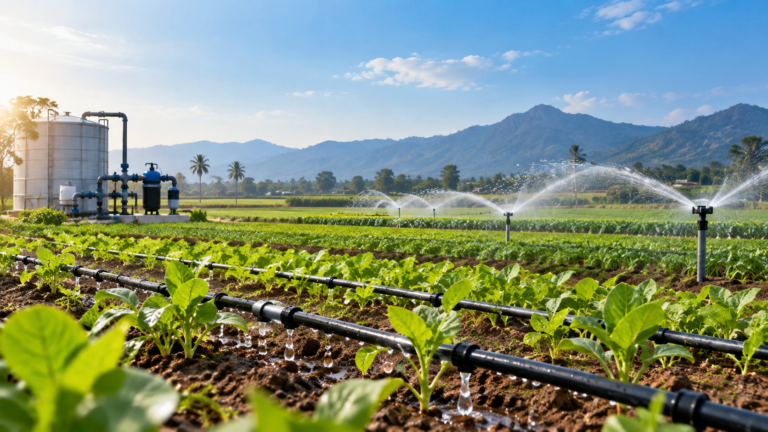
Drip irrigation is a micro-irrigation system that slowly applies water directly to plant roots. Instead of flooding an entire field, water is supplied through small emitters placed near each plant. This targeted approach minimizes evaporation, runoff, and deep percolation while maintaining consistent soil moisture.
A typical drip irrigation system consists of:
- Water source
- Pump
- Filters
- Mainline pipes
- Sub-main pipes
- Laterals
- Drip emitters
- Control valves
- Fertigation unit (optional)
Together, these components ensure efficient and uniform water distribution across the farm.
Why Rajasthan Needs Drip Irrigation
Agriculture in Rajasthan depends heavily on limited water resources. Many districts receive low annual rainfall, while summer temperatures often exceed 40°C. Traditional irrigation methods waste large quantities of water through evaporation and runoff, making them less suitable for the state’s climate.
Drip irrigation addresses these challenges by delivering water directly where it is needed most. This allows farmers to maximize every drop of water while maintaining healthy crop growth.
Major Benefits of Drip Irrigation
1. Significant Water Savings
Water conservation is the biggest advantage of drip irrigation. Compared to traditional flood irrigation, drip systems can reduce water consumption by up to 70%.
Since water is delivered directly to the root zone, there is very little evaporation or runoff. This makes drip irrigation ideal for Rajasthan, where water availability is often limited.
2. Higher Crop Yields
Healthy crops require a consistent supply of moisture. Drip irrigation provides precise watering throughout the growing season, allowing plants to develop stronger roots and absorb nutrients more efficiently.
Farmers often experience:
- Better germination
- Faster plant growth
- Improved flowering
- Larger fruits and vegetables
- Higher overall crop yields
This increase in productivity leads to better farm income and improved profitability.
3. Improved Fertilizer Efficiency
Many drip irrigation systems support fertigation, where fertilizers are applied directly through the irrigation network.
This offers several advantages:
- Uniform nutrient distribution
- Reduced fertilizer waste
- Better nutrient absorption
- Lower fertilizer costs
- Improved plant health
By combining irrigation and fertilization, farmers can maximize crop performance while reducing input costs.
4. Reduced Weed Growth
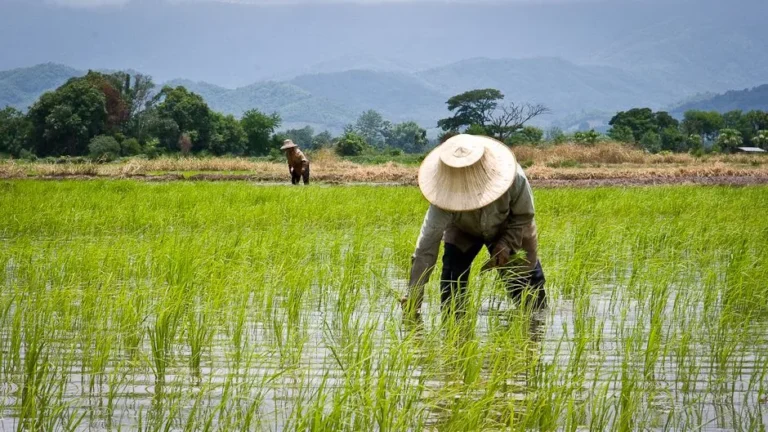
Unlike flood irrigation, drip irrigation wets only the area around the plant roots. The remaining soil stays relatively dry, reducing weed germination and growth.
Fewer weeds mean:
- Less competition for water
- Lower labor requirements
- Reduced herbicide usage
- Healthier crops
This contributes to cleaner fields and lower maintenance costs.
5. Lower Labor Costs
Modern drip irrigation systems can be automated, reducing the need for manual watering.
Automation allows farmers to:
- Schedule irrigation
- Monitor water usage
- Operate systems remotely
- Save time and labor
This is especially beneficial for large farms and commercial agriculture.
Suitable Crops for Drip Irrigation in Rajasthan
Drip irrigation works well for a wide range of crops commonly grown in Rajasthan.
These include:
- Pomegranate
- Citrus fruits
- Guava
- Mango
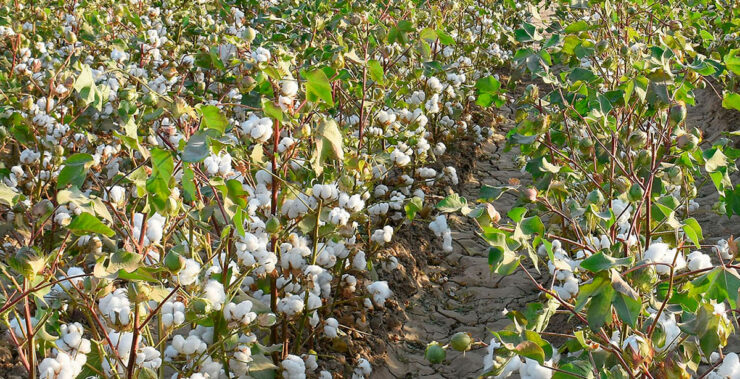
- Cotton
- Vegetables
- Chilli
- Tomato
- Onion
- Cucumber
- Coriander
- Cumin
- Groundnut
- Flowers
- Medicinal plants
It is particularly beneficial for horticultural crops that require regular and controlled watering.
Soil Health Benefits
Proper irrigation helps maintain healthy soil conditions.
Drip irrigation:
- Prevents soil erosion
- Maintains soil structure
- Reduces nutrient leaching
- Improves microbial activity
- Minimizes waterlogging
Healthy soil supports stronger crop growth and long-term agricultural sustainability.
Environmental Advantages
Drip irrigation is considered one of the most environmentally friendly irrigation methods.
Environmental benefits include:
- Conserves freshwater resources
- Reduces groundwater depletion
- Minimizes fertilizer runoff
- Lowers energy consumption
- Reduces greenhouse gas emissions from pumping
- Supports sustainable farming practices
Responsible water management protects natural resources for future generations.
Smart Drip Irrigation Technology
Modern drip irrigation systems now integrate with advanced technologies to further improve efficiency.
Popular smart irrigation solutions include:
Soil Moisture Sensors
These sensors measure soil moisture in real time and activate irrigation only when needed.
Automated Controllers
Programmable controllers regulate irrigation schedules without manual intervention.
Weather-Based Irrigation
Weather data helps farmers avoid unnecessary watering before or after rainfall.
Mobile Monitoring
Many systems can now be monitored and controlled using smartphones, allowing farmers to manage irrigation from anywhere.
These technologies improve water-use efficiency and reduce operational costs.
Government Support for Drip Irrigation
To encourage water conservation, both the Government of India and the Government of Rajasthan offer support for micro-irrigation through various agricultural schemes.
Eligible farmers may receive financial assistance for:
- Drip irrigation installation
- Irrigation equipment
- Pumps
- Filtration units
- Water storage systems
Farmers should check with their local agriculture department for the latest subsidy programs and eligibility criteria.
Choosing the Right Drip Irrigation System
Selecting the appropriate system depends on several factors.
Crop Type
Different crops require different emitter spacing and water flow rates.
Soil Type
Sandy soils drain faster and require more frequent irrigation than clay soils.
Water Quality
Clean, filtered water helps prevent emitter clogging and extends the life of the system.
Farm Size
The irrigation layout should be designed according to field size and crop arrangement.
Professional Installation
Working with experienced irrigation professionals ensures proper system design, installation, and maintenance.
Maintenance Tips
Regular maintenance improves system performance and extends its lifespan.
Farmers should:
- Clean filters regularly.
- Flush pipelines periodically.
- Inspect emitters for blockages.
- Repair leaks immediately.
- Monitor water pressure.
- Check valves and fittings routinely.
Proper maintenance ensures consistent irrigation throughout the growing season.
The Future of Agriculture in Rajasthan
As water resources become increasingly limited, efficient irrigation will play an even greater role in Rajasthan’s agricultural development. Drip irrigation, combined with automation, artificial intelligence, weather forecasting, and precision farming technologies, will help farmers improve productivity while conserving valuable water resources.
These innovations are making agriculture more sustainable, profitable, and resilient to climate change.
Conclusion
Drip irrigation has become an essential technology for agriculture in Rajasthan due to its exceptional water-saving capabilities and ability to improve crop productivity. By delivering water directly to plant roots, it minimizes waste, enhances fertilizer efficiency, reduces labor costs, and supports healthier crops.
For farmers facing water scarcity and changing climate conditions, drip irrigation offers a practical and sustainable solution for long-term agricultural success. Investing in a modern drip irrigation system not only increases farm profitability but also helps protect Rajasthan’s precious water resources, ensuring a stronger and more sustainable future for agriculture.