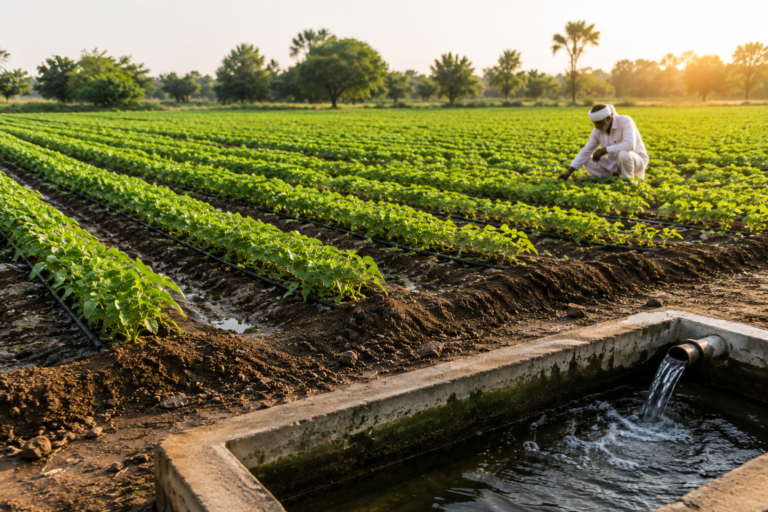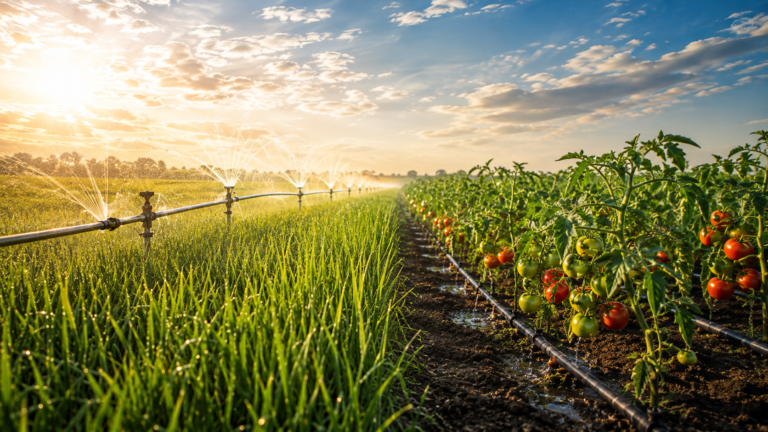
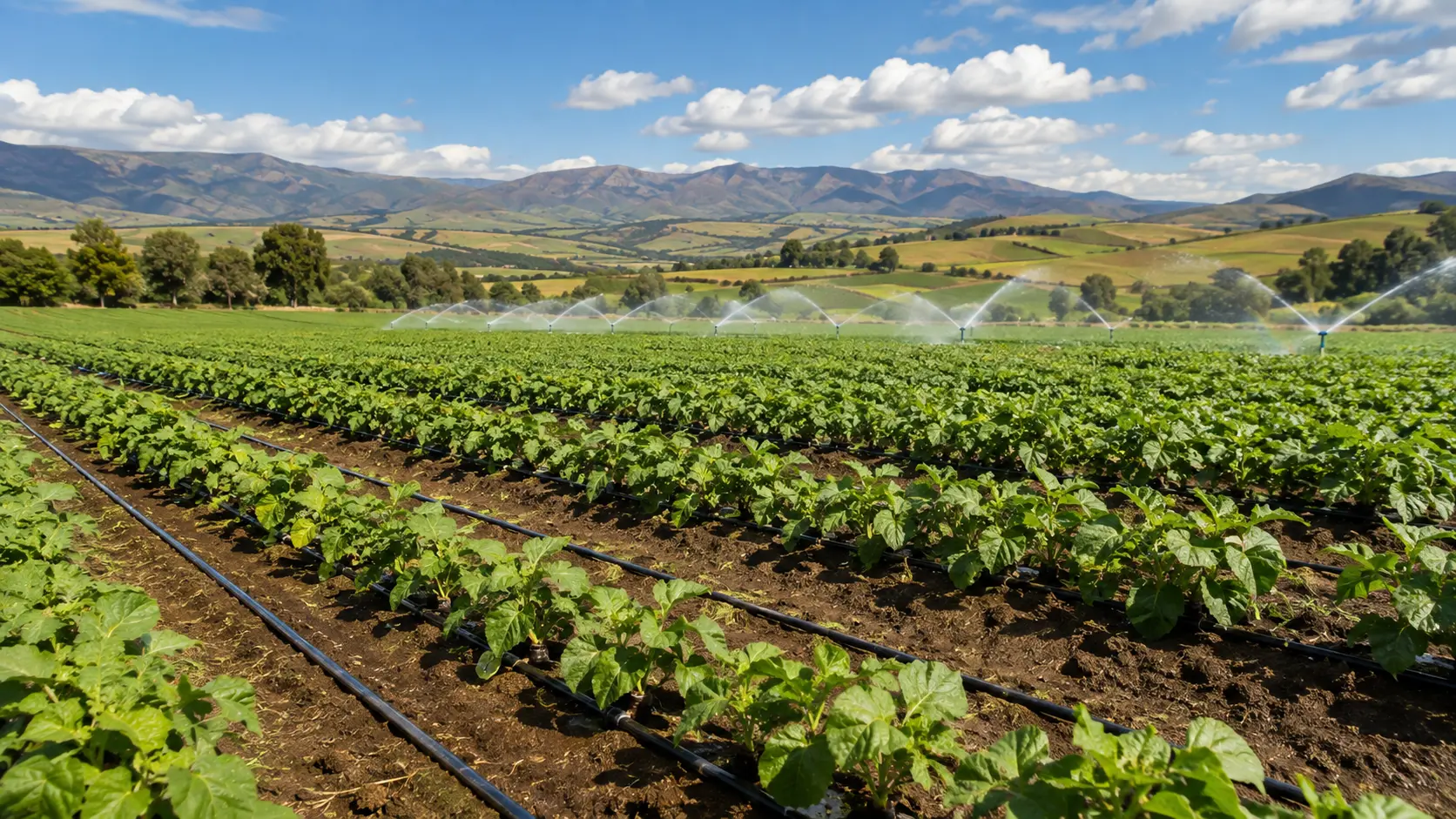
South Africa’s agricultural sector depends heavily on reliable and efficient water management. With water scarcity, variable rainfall, drought conditions, and increasing demand for agricultural production, farmers need irrigation systems that deliver water efficiently to crops while reducing unnecessary water loss.
Irrigation products in South Africa help farmers, commercial growers, greenhouse operators, nurseries, and agricultural businesses improve water distribution, crop productivity, and irrigation management. Modern solutions include drip irrigation systems, sprinkler systems, irrigation filters, fertigation equipment, valves, pipes, pumps, and water filtration systems.
What Are Irrigation Products?
Irrigation products are equipment and components used to collect, filter, transport, control, and distribute water to agricultural crops.
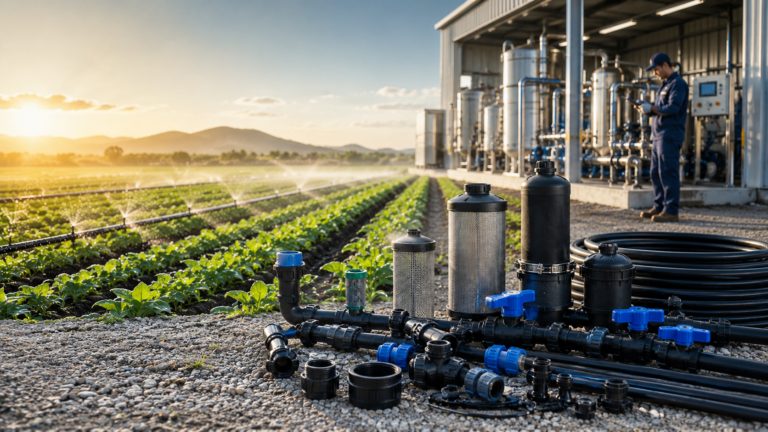
A complete agricultural irrigation system can include:
- Drip irrigation systems
- Sprinkler irrigation systems
- Micro-irrigation equipment
- Irrigation pipes and fittings
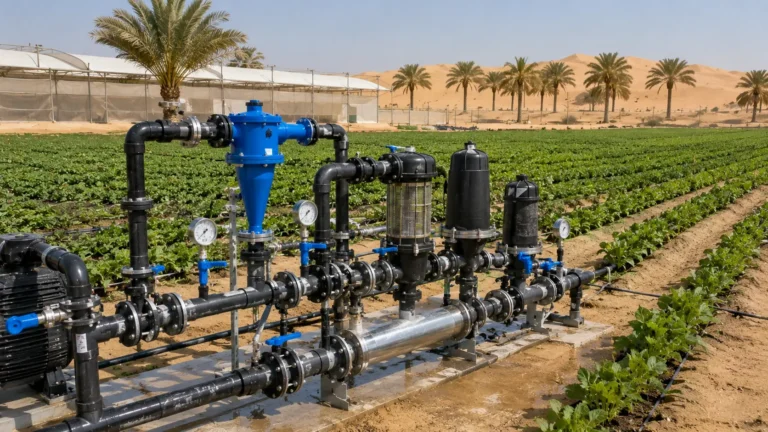
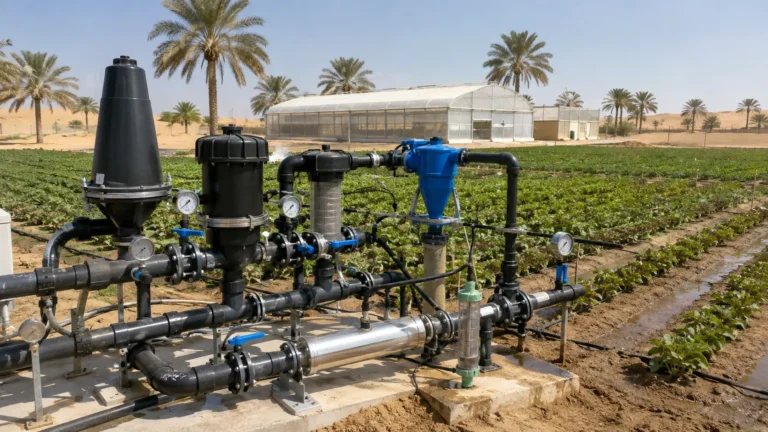
- Disc and screen filters
- Hydrocyclone sand separators
- Irrigation valves
- Pressure regulators
- Fertigation systems
- Pumps and water-control equipment
- Irrigation controllers and automation systems
- Water filtration and treatment equipment
Selecting the correct combination depends on crop type, soil conditions, water source, farm size, pressure requirements, and irrigation method.
Why Irrigation Is Important for South African Agriculture
Water management is a major consideration for agriculture in South Africa. The South African Department of Agriculture identifies water-use and irrigation development as important areas for efficient irrigation development, irrigation scheme revitalisation, water conservation, and compliance with the national water-use framework.
South Africa also faces significant water-management challenges. The Department of Water and Sanitation supports agricultural water-use efficiency programmes and research into water-saving equipment and technologies.
Efficient irrigation can help farmers:
- Deliver water directly to the crop root zone
- Reduce unnecessary water losses
- Maintain more consistent soil moisture
- Improve irrigation uniformity
- Support better crop growth
- Reduce problems caused by poor water quality
- Improve fertiliser application through fertigation
- Manage irrigation according to crop requirements
The South African government has also highlighted drought, water scarcity, and climate change as challenges affecting agricultural yields and profitability.
Types of Irrigation Products in South Africa
1. Drip Irrigation Systems
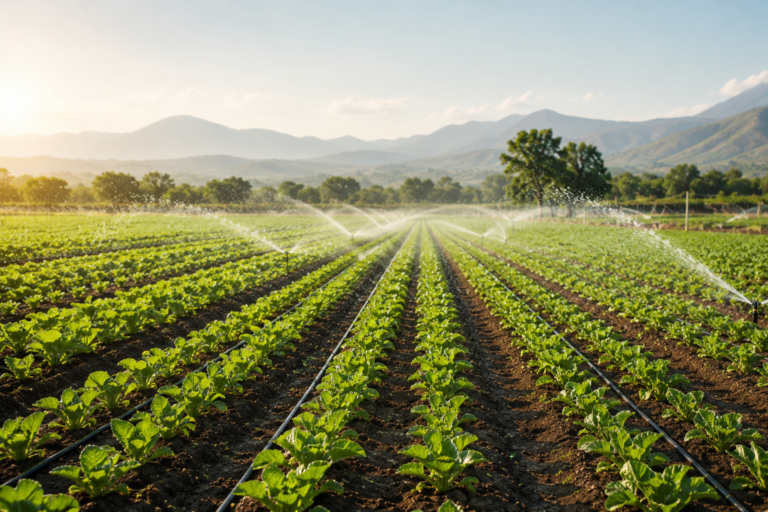
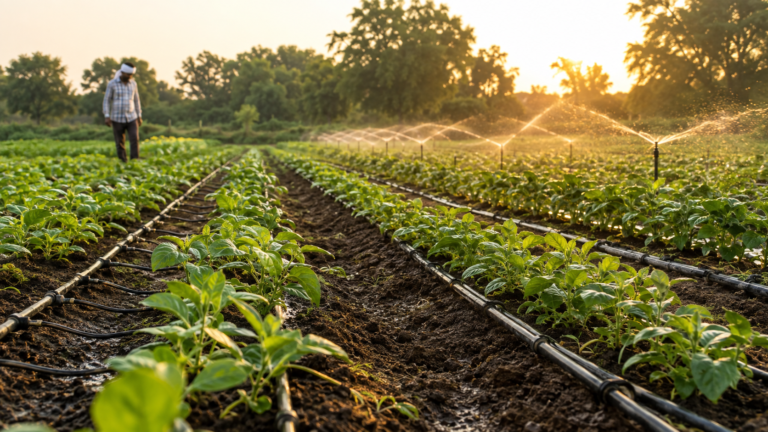
Drip irrigation delivers controlled amounts of water close to the root zone of individual plants. It is widely suitable for vegetables, fruit orchards, vineyards, nurseries, and other high-value crops.
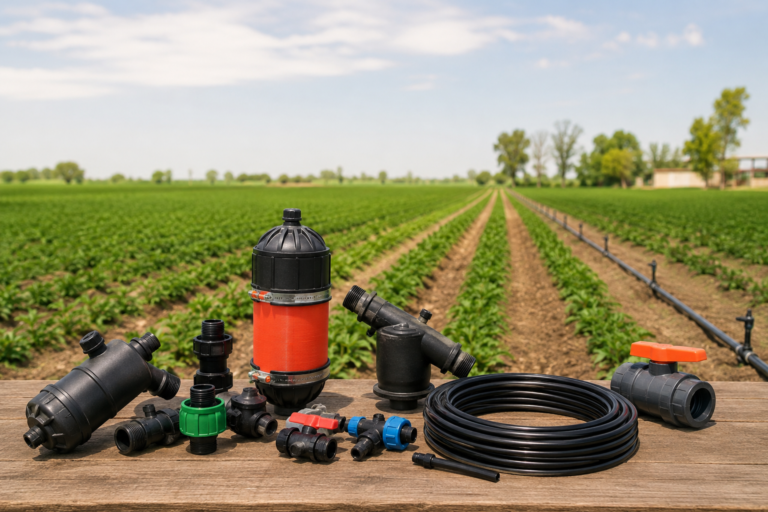
A drip irrigation system can include drip lines, emitters, filters, pressure regulators, valves, pipes, and connectors.
For farms looking to improve water-use efficiency, drip irrigation can provide precise water application when properly designed, installed, and maintained.
2. Sprinkler Irrigation Systems
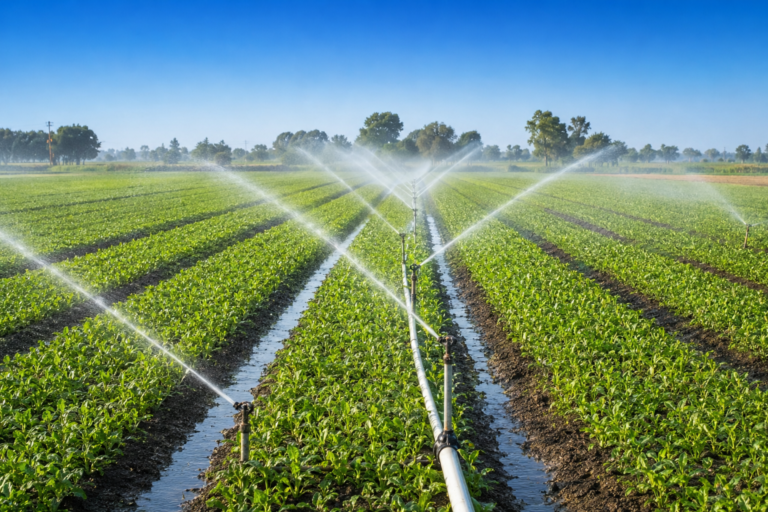
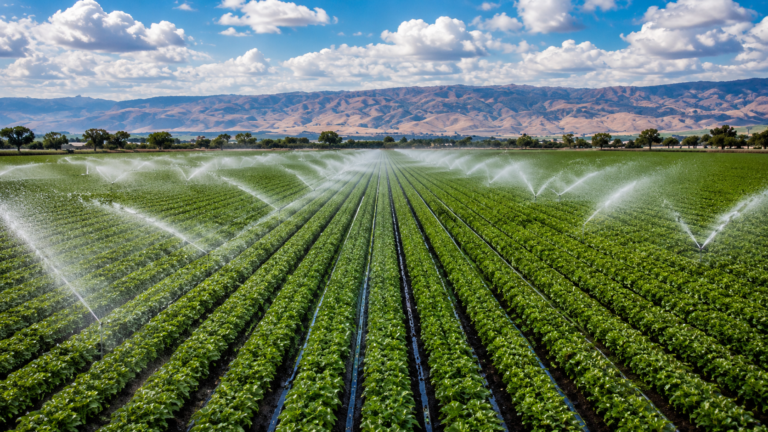
Sprinkler irrigation distributes water through sprinklers or spray devices over an agricultural area. Depending on the design, sprinkler systems can be used for vegetables, field crops, nurseries, pastures, and other agricultural applications.
Farmers should select sprinkler equipment according to crop requirements, operating pressure, spacing, wind conditions, soil type, and available water.
3. Irrigation Filters
Water filtration is an important part of many irrigation systems. Suspended particles, sand, organic matter, and other contaminants can block emitters and reduce irrigation performance.
Common irrigation filtration products include:
- Disc filters
- Screen filters
- Sand filters
- Hydrocyclone separators
- Multi-stage filtration systems
The correct filter depends on the water source and the type and concentration of contaminants.
4. Hydrocyclone Sand Separators
Hydrocyclone separators are designed to remove sand and heavier particles from irrigation water before the water reaches downstream filtration and irrigation equipment.
They can be particularly useful where irrigation water contains significant amounts of sand or sediment.
5. Irrigation Pipes and Fittings
Pipes transport water from the source to the irrigation zones. HDPE pipes, PVC pipes, connectors, tees, elbows, valves, and other fittings can be selected according to system pressure, flow requirements, installation conditions, and project design.
A correctly designed pipe network helps maintain appropriate flow and pressure throughout the irrigation system.
6. Irrigation Valves and Pressure Regulators
Valves control water flow between irrigation zones, while pressure regulators help maintain suitable operating pressure.
Proper pressure management is particularly important for drip irrigation because excessive or inconsistent pressure can affect emitter performance and irrigation uniformity.
7. Fertigation Systems
Fertigation combines irrigation with controlled fertiliser application. A fertigation system can help distribute nutrients through the irrigation network when the equipment and application process are properly designed.
This approach can support precise nutrient management and reduce unnecessary fertiliser application.
How to Choose the Right Irrigation System in South Africa
Choosing the right agricultural irrigation solution requires more than selecting a product from a catalogue. Farmers should evaluate the complete irrigation application.
Consider these factors:
Water source: Determine whether the water comes from a borehole, dam, river, reservoir, municipal supply, or another source.
Water quality: Test for sand, suspended solids, organic matter, salinity, and other relevant parameters.
Crop requirements: Different crops require different water application rates and irrigation schedules.
Soil type: Sandy, loamy, and clay soils have different water-holding and infiltration characteristics.
Farm size: Large commercial farms may require zoned irrigation networks, pumping systems, automation, and advanced filtration.
Operating pressure: Pumps, pipes, valves, filters, sprinklers, and emitters must work within appropriate pressure ranges.
Filtration requirements: Select filtration according to the water source and irrigation technology.
Maintenance: Filters, valves, pipes, emitters, and other components require regular inspection and maintenance.
Benefits of Modern Agricultural Irrigation Solutions
Modern irrigation equipment can help South African farmers manage water more effectively while maintaining productive agricultural operations.
Key benefits include:
Better Water Distribution
Well-designed irrigation systems distribute water according to the requirements of different crop zones.
Improved Irrigation Uniformity
Proper filtration, pressure control, pipe sizing, and irrigation equipment can improve uniform water delivery.
Reduced Emitter Blockage
Appropriate filtration can reduce the amount of suspended material reaching drip emitters and other sensitive irrigation components.
Improved Crop Management
Controlled irrigation allows farmers to manage water application according to crop growth stages, weather conditions, and soil moisture.
Better Fertiliser Management
Fertigation systems can provide controlled nutrient application through irrigation networks.
Long-Term System Performance
Using suitable pipes, filters, valves, fittings, and pressure-control equipment can improve the reliability and service life of an irrigation installation.
Irrigation Solutions for Different South African Agricultural Applications
Irrigation requirements differ across South Africa because farms vary in climate, crops, water availability, soil, and production methods.
Irrigation products can be used for:
- Fruit orchards
- Vineyards
- Vegetable farms
- Greenhouses
- Nurseries
- Field crops
- Commercial farms
- Smallholder farms
- Landscaping and horticulture
- Agricultural water-management projects
South African agricultural authorities recognise the importance of irrigation development and water conservation, including irrigation-scheme revitalisation and improved water-use management.
Why Water Filtration Should Be Part of an Irrigation System
An irrigation system can only perform effectively when water quality is appropriate for the selected equipment.
Poor-quality irrigation water can contribute to:
- Dripper blockage
- Sprinkler blockage
- Reduced flow
- Pressure problems
- Sediment accumulation
- Increased maintenance
- Uneven irrigation
A properly selected filtration system can protect downstream irrigation equipment and improve system reliability.
The South African Department of Water and Sanitation specifically supports agricultural water-use efficiency and the development of water-saving technologies and equipment.
Frequently Asked Questions About Irrigation Products in South Africa
What are the most common irrigation products used in South Africa?
Common products include drip irrigation systems, sprinkler systems, irrigation filters, hydrocyclone separators, pipes, fittings, valves, pressure regulators, pumps, and fertigation equipment.
Which irrigation system is best for South African farms?
There is no single irrigation system that is best for every farm. The correct solution depends on crop type, soil, water availability, water quality, farm size, pressure, terrain, and irrigation requirements.
Is drip irrigation suitable for South Africa?
Yes. Drip irrigation can be suitable for many South African agricultural applications because it provides controlled water delivery near the plant root zone. However, proper filtration, pressure management, system design, and maintenance are essential.
Why are irrigation filters important?
Irrigation filters remove unwanted particles from water before they enter sensitive irrigation components. They can help reduce emitter and sprinkler blockage and maintain system performance.
What irrigation products are suitable for fruit orchards?
Fruit orchards commonly use drip or micro-irrigation equipment together with pipes, filters, valves, pressure regulators, fertigation equipment, and water-control systems. The final design should be based on the crop, orchard layout, water source, and irrigation requirements.
How can farmers improve irrigation water efficiency?
Farmers can improve efficiency by using suitable irrigation technology, maintaining filters and equipment, managing pressure, checking leaks, monitoring soil moisture, scheduling irrigation according to crop needs, and regularly reviewing system performance. South African water authorities actively promote agricultural water-use efficiency.
Choose the Right Irrigation Products for Your Agricultural Project
Reliable irrigation starts with the right combination of equipment and professional system design. Whether you need drip irrigation products, sprinkler systems, irrigation filters, hydrocyclone separators, HDPE pipes, valves, fertigation equipment, or complete agricultural irrigation solutions, selecting products according to your farm’s water source and crop requirements is essential.
For agricultural projects in South Africa, a complete irrigation approach should consider water quality, filtration, pressure, flow, crop requirements, soil conditions, irrigation scheduling, and long-term maintenance.
If you are planning an agricultural irrigation project in South Africa, work with an experienced irrigation supplier or system designer to determine the appropriate equipment and configuration for your specific application.
Conclusion
Irrigation products in South Africa play an important role in efficient agricultural water management. With increasing attention on water conservation, irrigation efficiency, and agricultural productivity, farmers can benefit from properly designed systems that combine reliable water distribution, filtration, pressure control, and irrigation management.
From drip irrigation and sprinkler systems to irrigation filters, hydrocyclone separators, pipes, valves, and fertigation equipment, the right products can help create a more reliable and efficient agricultural irrigation system.
For South African farms, the goal should not simply be to apply more water. The goal is to deliver the right amount of water, at the right time, in the right place, and with suitable water quality.